Sorry, no records were found. Please adjust your search criteria and try again.
Sorry, unable to load the Maps API.
Explore stunning hiking trails of Mount Direction Conservation Area
Discover the diverse trails of Mount Direction Conservation Area, Tasmania, offering hikes and walks for all skill levels and interests. Find your perfect adventure today.
Discover 1 hiking trail in Mount Direction Conservation Area
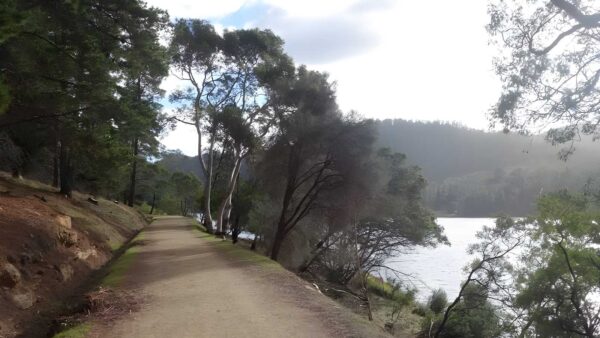

Dry hills and broad views at Mount Direction
Overview
Mount Direction Conservation Area protects a band of dry country on the eastern side of Hobart, in the Grass Tree Hill and Risdon Brook area, a short drive from Richmond and roughly 20 kilometres from central Hobart. It is a relatively modest reserve in size, but it stands out for its open, sunlit slopes and ridgelines, with country that feels distinctly different from Tasmania’s wetter mountain parks.
The reserve covers about 698 hectares and sits within the drier landscapes of southern Tasmania, where exposed hills, low forest and scrub create a more open character than many visitors expect around Hobart.
Highlights
The appeal here is in the shape and feel of the landscape. Mount Direction rises from dry foothills into ridges and hilltops with wide views across the Derwent estuary, the Meehan Range and surrounding country. The scenery is less about towering peaks and more about open sky, long lines of hills and the contrast between rocky ground, pale trunks and sparse bush.
Because the reserve sits on sunny slopes and elevated ground, it has a strong sense of space. On clear days, the outlook from higher points is one of its defining qualities.
Best Time to Visit
Spring is a particularly good time to see this area at its best, when the drier bush and grassland plants are fresh and flowering conditions are often at their most interesting. Autumn can also be very pleasant, with mild days and clear light that suits the open ridgelines.
Winter usually brings cooler air and softer light, while summer tends to emphasise the reserve’s dry, exposed character. That seasonal change is part of what makes Mount Direction distinctive, with the landscape shifting noticeably through the year.
Plants and Animals
Mount Direction is important for dry-country vegetation and for several native plants that are closely tied to this part of southern Tasmania. Threatened species recorded from the conservation area include hyalosperma demissum, also known as moss sunray, and cutleaf daisy.
The reserve is also one of the places where Risdon peppermint occurs. This eucalypt is endemic to Tasmania and is associated with very dry, sunny ridges and upper slopes on Permian mudstone. That helps explain the reserve’s distinctive look, with open forest and scrub adapted to exposed conditions rather than dense, shaded bush.
Find more places to explore…
Help expand the trail collection!
Know of an official trail not listed on Trail Hiking Australia? I’m focused on showcasing the best tracks managed by land managers, and I’d love your help! Sharing a trail adds to our community and helps others discover safe, new adventures.
Submit your trail here