Sorry, no records were found. Please adjust your search criteria and try again.
Sorry, unable to load the Maps API.
Explore stunning hiking trails of Moonee Beach Nature Reserve
Discover the diverse trails of Moonee Beach Nature Reserve, New South Wales, offering hikes and walks for all skill levels and interests. Find your perfect adventure today.
Discover 2 hiking trails in Moonee Beach Nature Reserve
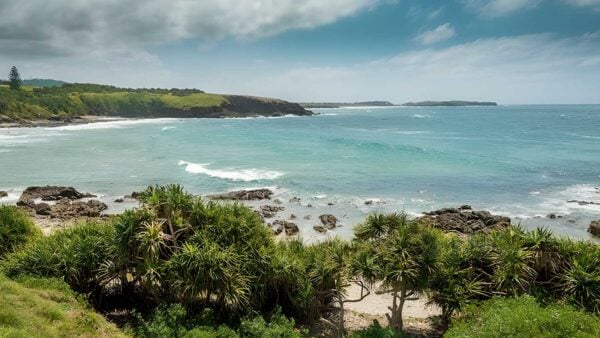

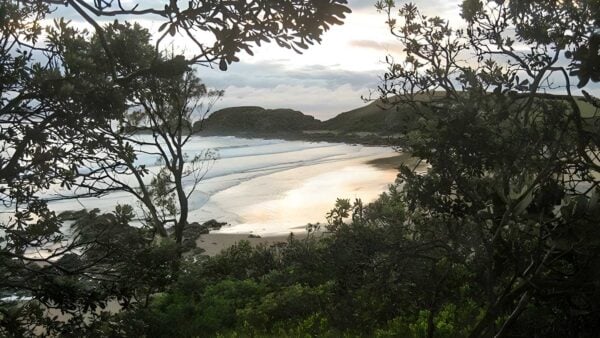
Headlands, Coastal Rainforest and the Broad Sweep of Moonee Beach
Overview
Moonee Beach Nature Reserve sits on the NSW north coast about 15km north of Coffs Harbour, between the villages of Moonee Beach and Sandy Beach. It protects a compact but varied stretch of shoreline where coastal sand plains and floodplains meet dunes, rocky headlands, estuary edges and the open Pacific.
The reserve is split into northern and southern sections and includes four prominent headlands: Bare Bluff, Diggers Point, Dammerels Head and Look At Me Now Headland. Along its eastern edge it meets the Solitary Islands Marine Park, which adds to the sense that this is one connected coastal landscape rather than just a strip of land beside the sea.
Highlights
What stands out here is the contrast. Exposed headlands push into the ocean, grassy clifftops give way to rocky points, and the shoreline opens into long beach views and the calmer reaches of Moonee Creek. Look At Me Now Headland is especially distinctive, with wide coastal outlooks and a strong sense of elevation above the beach and estuary.
There is also an appealing change in character from one part of the reserve to the next. Some areas feel open and windswept, while others are softer and greener, with pockets of coastal rainforest and pandanus adding a subtropical note to the scenery.
Best Time to Visit
This is a place that works well across the year, but the milder months are often the most comfortable for walking, especially when the headlands are exposed to sun and wind. Winter also brings the chance to watch for whales moving along the coast, while the warmer months tend to show off the reserve’s beach, estuary and lush coastal vegetation.
Plants and Animals
Moonee Beach Nature Reserve is unusually rich for its size. It conserves seven endangered ecological communities and six threatened plant species, including the only known wild populations of headland zieria. The exposed headlands support uncommon plant communities adapted to salt spray, shallow soils and strong coastal weather, while pockets of rainforest persist in more sheltered spots.
Wildlife is just as varied. Little bent-wing bats roost in seaside nursery caves, and threatened shorebirds are part of the reserve’s coastal life. More familiar animals are also easy to picture here, including eastern grey kangaroos, red-necked wallabies and swamp wallabies. Birdlife is a strong feature, with raptors such as white-bellied sea eagles, ospreys and brahminy kites seen hunting along the coast.
Culture and Heritage
Moonee Beach Nature Reserve is part of Gumbaynggirr Country, and Look At Me Now Headland is recognised as an important mythological site and a powerful place within that homeland. The reserve also contains Aboriginal sites including middens, campsites, ceremonial places, artefact scatters and areas where stone axes were ground.
The name Moonee comes from Munim-Munim, the Gumbaynggirr name for the area, meaning rocky. It reflects the long cultural importance of this coast and its stone resources.
Find more places to explore…
Help expand the trail collection!
Know of an official trail not listed on Trail Hiking Australia? I’m focused on showcasing the best tracks managed by land managers, and I’d love your help! Sharing a trail adds to our community and helps others discover safe, new adventures.
Submit your trail here

