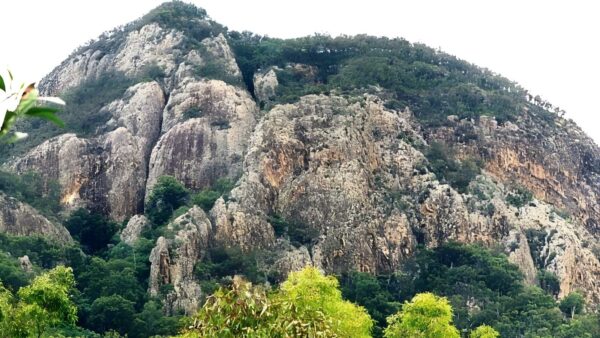
Volcanic Peaks on the Edge of the Scenic Rim
Overview
Moogerah Peaks National Park protects a compact cluster of rugged volcanic mountains in Queensland’s Scenic Rim, about 100km south-west of Brisbane. It is a relatively undeveloped park, and that sense of rough, steep country is a big part of its character. The landscape is dominated by isolated peaks and ridgelines rather than broad tablelands or long valleys, giving the park a more dramatic feel than its size might suggest.
These peaks are also important for conservation. The park provides significant refuge for rare and vulnerable wildlife, with rocky terrain, forested slopes and sheltered pockets creating a mix of habitats across a fairly concentrated area.
Highlights
The defining feature here is the line-up of volcanic peaks rising abruptly above the surrounding farmland and lake country. Sheer cliffs, rocky spurs and narrow ridges give the park a bold scenic profile, especially where the mountains stand clear of the lower country around Moogerah and Boonah.
What makes the scenery memorable is the contrast between hard rock faces and the greener slopes below them. From a distance, the peaks look sharp and separate, almost like a chain of stone islands, and that volcanic origin gives the whole park a distinctive shape within the Scenic Rim.
Best Time to Visit
The cooler months from autumn to spring are generally the most comfortable time to be in Moogerah Peaks National Park, when temperatures are milder and the air is usually clearer. That tends to suit the exposed nature of the country, where much of the appeal comes from open ridges, rocky slopes and long views across the surrounding ranges and valleys.
After decent rain, the forests and gullies can feel noticeably greener, which adds another layer to a landscape that can otherwise look dry and stony in hotter periods.
Plants and Animals
Despite its rugged appearance, the park supports a surprisingly rich mix of habitats. Rocky slopes, open forest and more sheltered patches of vegetation combine to protect a large recorded range of wildlife, including threatened species. The brush-tailed rock-wallaby is one of the notable animals associated with the park’s cliffs and broken terrain.
The vegetation changes with aspect and shelter. Drier slopes carry open forest, while more protected spots support denser growth that softens the harsher volcanic landforms. That variation is one reason the park matters ecologically as well as scenically.