Sorry, no records were found. Please adjust your search criteria and try again.
Sorry, unable to load the Maps API.
Explore stunning hiking trails of Marramarra National Park
Discover the diverse trails of Marramarra National Park, New South Wales, offering hikes and walks for all skill levels and interests. Find your perfect adventure today.
Discover 2 hiking trails in Marramarra National Park
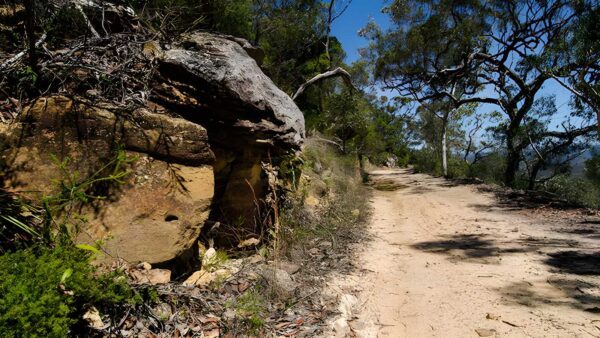

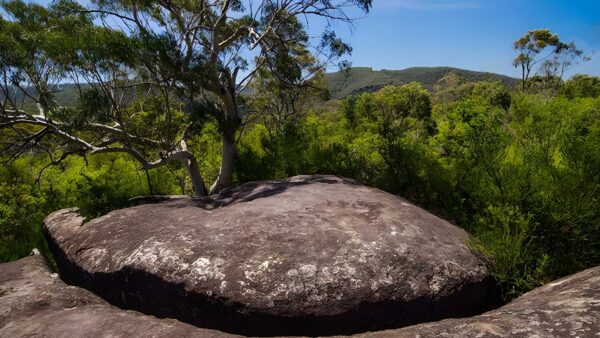
Sandstone Country Above the Lower Hawkesbury
Overview
Marramarra National Park sits on Sydney’s northern fringe, about 40 kilometres north-west of the CBD, between the Hawkesbury River, Berowra Creek, Old Northern Road and the villages of Arcadia and Berrilee. It is a large bushland park of roughly 11,759 hectares, with a landscape shaped by Hawkesbury Sandstone, steep gullies and long ridgelines that drop to sheltered waterways and bays.
What gives Marramarra its character is the way dry ridge country, deep forested gullies and tidal creek edges all meet in one park. It forms part of the chain of protected sandstone country around the lower Hawkesbury, and it also links coastal sandstone vegetation with the more inland bushland stretching towards the Blue Mountains and Wollemi.
Highlights
The scenery here is defined by broad sandstone plateaus, dramatic cliff lines above the Hawkesbury River and the deeply cut valleys feeding Marramarra Creek and Berowra Creek. Those sharp shifts in elevation give the park a rugged, folded look that feels surprisingly remote for somewhere so close to Sydney.
Along the water, the landscape softens into quieter tidal country. Marramarra Creek, Big Bay and Coba Bay bring in estuarine scenery with sheltered inlets, mudflats and low-lying creek margins, while the higher ground opens to expansive river and escarpment views.
Best Time to Visit
Spring is an especially rewarding time to be here, when wildflowers bring colour to the ridges and woodlands. The cooler months from autumn to spring also tend to suit walking best, particularly in a park with long exposed sandstone ridges and steep descents.
Summer can still be beautiful, especially around the creek and river edges, but the ridgeline country is generally more comfortable when the weather is milder.
Plants and Animals
Marramarra protects a wide mix of plant communities. On the ridges and exposed slopes, the bush is mostly sandstone woodland with red bloodwood, scribbly gum, Sydney red gum and narrow-leaved stringybark. In sheltered gullies, that gives way to taller open forest and pockets of closed forest with coachwood, water gum and lilly pilly. Around tidal flats and creek mouths, saltmarsh, swamp oak, rushes and mangroves add another layer again.
This range of habitats supports plenty of wildlife. Commonly seen animals include swamp wallabies, possums, echidnas, kookaburras and yellow-tailed black cockatoos, while the park and adjoining reserves have also recorded species such as platypus, white-breasted sea eagle and lyrebird. Threatened fauna recorded in the area include koala, tiger quoll, powerful owl, glossy black cockatoo, red-crowned toadlet and giant burrowing frog.
Culture and Heritage
Marramarra National Park lies in Country associated with the Darug people, with Berowra Creek recognised in the park’s management framework as a boundary between Darug Country to the west and Kuring-gai Country to the east in neighbouring Muogamarra Nature Reserve. Within Marramarra, Aboriginal sites include cave art, rock engravings, grinding grooves, middens, scarred trees, stone arrangements and other occupation evidence, showing a long and continuing connection with this landscape.
There is also a layer of later river and settlement history here. The Hawkesbury was an early route of movement in the colony, and parts of the park still hold traces of that period, including remains associated with former river communities and past orchard use along Marramarra Creek.
Find more places to explore…
Help expand the trail collection!
Know of an official trail not listed on Trail Hiking Australia? I’m focused on showcasing the best tracks managed by land managers, and I’d love your help! Sharing a trail adds to our community and helps others discover safe, new adventures.
Submit your trail here

