Sorry, no records were found. Please adjust your search criteria and try again.
Sorry, unable to load the Maps API.
Explore stunning hiking trails of Margate
Discover the diverse trails of Margate, Tasmania, offering hikes and walks for all skill levels and interests. Find your perfect adventure today.
Discover 2 hiking trails in Margate
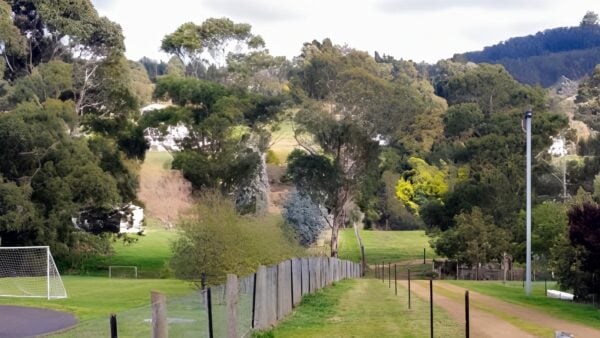

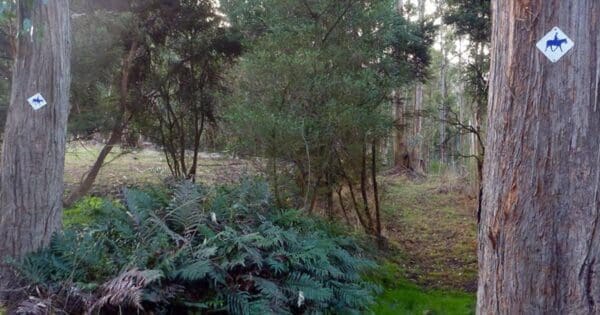

Estuary Edge and Bushland Slopes Around Margate
Overview
Margate sits on the western side of the D’Entrecasteaux Channel, about 20 kilometres south of Hobart, where the North West Bay River reaches the estuarine mudflats of North West Bay. The natural character here is shaped by that meeting of river, coast and low bushland hills, with a mix of open reserves, creek corridors and sheltered bays giving the area a greener feel than a quick drive through town might suggest.
Rather than one single large park, Margate’s walking country is spread across a network of council-managed reserves and natural corridors. That gives the area a varied feel, from creekside vegetation and grassy edges to denser forest patches and coastal sections closer to the bay.
Highlights
The standout feature around Margate is the contrast between inland bushland and the broad tidal edge of North West Bay. Along the lower river and foreshore, the landscape opens out to mudflats and calm water, while nearby reserves rise into dry forest and mixed woodland with changing views across the channel.
South of town, Barretta Reserve is one of the more varied natural areas in the district, with four distinct plant communities across about 30 hectares. The shift from open woodland with long grasses to sparser silver peppermint forest gives this part of Margate a strong sense of local landscape change over a relatively short distance.
Best Time to Visit
Spring is a particularly good time to visit Margate’s reserves, when the understorey is fresh and the bush feels at its most active. Autumn is also rewarding, with mild walking weather and generally clear conditions that suit the open coastal setting around North West Bay.
Margate can be visited year round, but the experience changes with the setting. The estuary and foreshore tend to feel best on still, bright days, while the creek and forest reserves are often most enjoyable when the ground is green and the gullies are holding some moisture.
Plants and Animals
Margate’s reserves support a surprisingly broad range of vegetation for a relatively small area. Around Nierinna Creek, restored black gum forest and a lush understorey create sheltered habitat, while other parts of the district include white gums, black peppermint forest, silver peppermint forest and more open grassy woodland.
Wildlife is one of the quieter strengths of the area. Native animals recorded in local reserves include bandicoots, potoroos, Tasmanian devils, quolls and Bennett’s wallabies, and dead timber in the larger trees can attract raptors. Around the creek reserves and birdwatching dam, the mix of water, mature gums and understorey also supports smaller bush birds and other local fauna.
Find more places to explore…
Help expand the trail collection!
Know of an official trail not listed on Trail Hiking Australia? I’m focused on showcasing the best tracks managed by land managers, and I’d love your help! Sharing a trail adds to our community and helps others discover safe, new adventures.
Submit your trail here

