Sorry, no records were found. Please adjust your search criteria and try again.
Sorry, unable to load the Maps API.
Explore stunning hiking trails of Mangrove Mountain
Discover the diverse trails of Mangrove Mountain, New South Wales, offering hikes and walks for all skill levels and interests. Find your perfect adventure today.
Discover 5 hiking trails in Mangrove Mountain


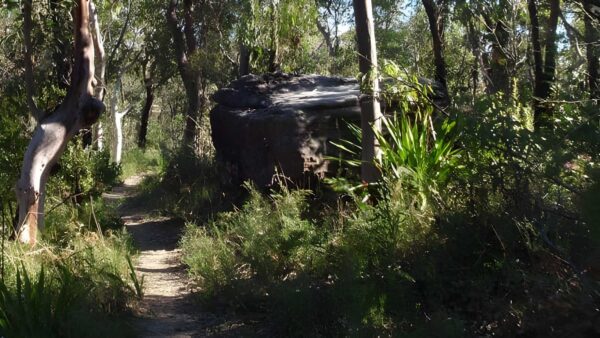

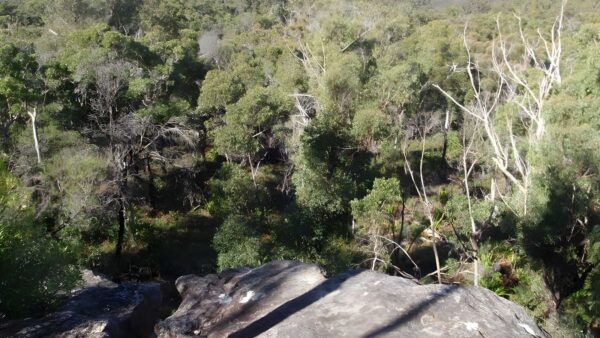
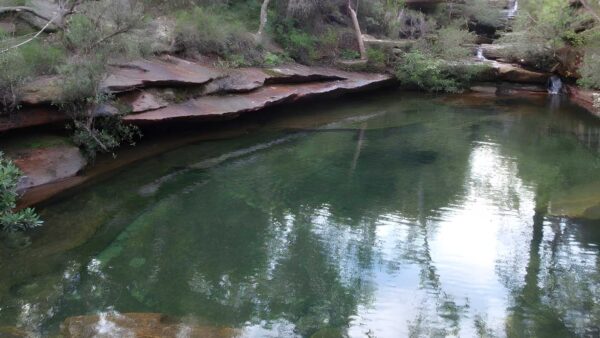
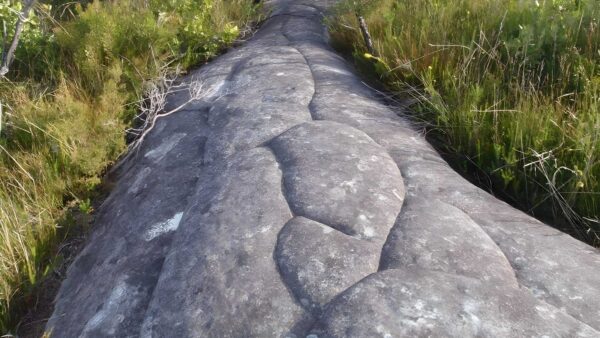
Sandstone country above the Hawkesbury at Mangrove Mountain
Overview
Mangrove Mountain sits in the Central Coast hinterland, with Popran National Park stretching across rugged country north of the Hawkesbury River. This is a landscape of sandstone ridges, steep gullies and pockets of creek country, around 50km north of central Sydney and about 25km south-west of Gosford. The park is spread across five separate sections, which adds to the sense of a broken, folded bushland landscape rather than one broad, open reserve.
What stands out here is how strongly the country still feels tied to its natural catchments. Along with its scenic character, the park also plays an important role as a wildlife corridor linking larger bushland areas between Brisbane Water National Park and Dharug National Park.
Highlights
The defining features around Mangrove Mountain are the sandstone cliffs and ridgelines that rise above the river country. In places the terrain opens to broad views across the Central Coast hinterland, while elsewhere it closes in around forested gullies and creek lines. That contrast between exposed rocky country and sheltered drainage lines gives the area much of its character.
Another standout is the mix of freshwater and estuarine environments tied to the Hawkesbury. The park includes 4km of Hawkesbury River foreshore, where mangroves edge the water and the scenery shifts from dry sandstone bush to quieter tidal country.
Best Time to Visit
Cooler months are usually the most comfortable time to spend in this area, particularly from autumn through spring, when the ridge country is generally better for longer walks and time at lookouts. Spring also tends to bring a lift in wildflower colour, with sandstone heath and woodland showing more variety after winter.
At any time of year, the feel of the place can change quickly between the exposed ridges and the more sheltered creek lines. After wetter periods the gullies and streams are often at their most appealing, while drier months tend to sharpen the wide, rocky character of the plateau edges.
Plants and Animals
Mangrove Mountain sits within a predominantly sandstone park system, and that geology shapes the vegetation. Forest, woodland and heath communities grow across the ridges and slopes, with more sheltered wet gullies and creek-side vegetation tucked into the folds of the landscape. Along the Hawkesbury foreshore, mangroves add another distinct habitat type not usually associated with upland bush settings.
This mix of environments supports a strong range of wildlife. Glossy black-cockatoos, masked owls and yellow-bellied gliders have all been recorded here, and the park’s connected bushland helps animals move between larger reserves across the region. Freshwater streams and mangrove-fringed river edges add to that diversity, creating habitat for species that rely on both dry forest and wetter creek or estuary systems.
Culture and Heritage
This country holds Aboriginal sites, and those cultural places are part of what gives the area its significance beyond the scenery alone. The park protects a number of Aboriginal sites, including the place known as Upside Down Man Cave, and these values are an important part of how the landscape is understood and cared for.
Find more places to explore…
Help expand the trail collection!
Know of an official trail not listed on Trail Hiking Australia? I’m focused on showcasing the best tracks managed by land managers, and I’d love your help! Sharing a trail adds to our community and helps others discover safe, new adventures.
Submit your trail here

