Sorry, no records were found. Please adjust your search criteria and try again.
Sorry, unable to load the Maps API.
Explore stunning hiking trails of Magenta
Discover the diverse trails of Magenta, New South Wales, offering hikes and walks for all skill levels and interests. Find your perfect adventure today.
Discover 4 hiking trails in Magenta
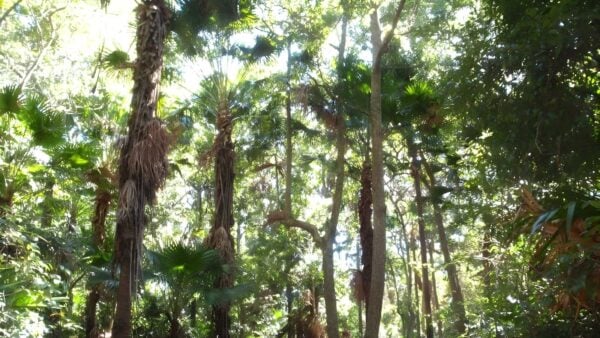
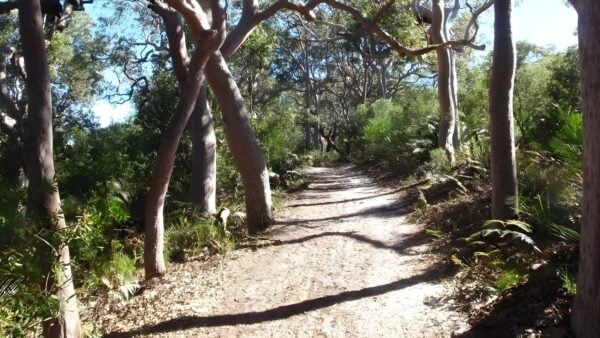
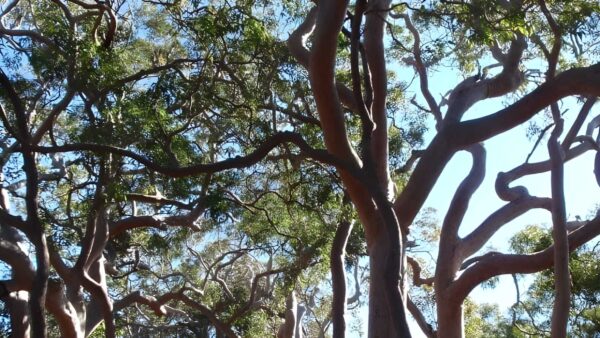
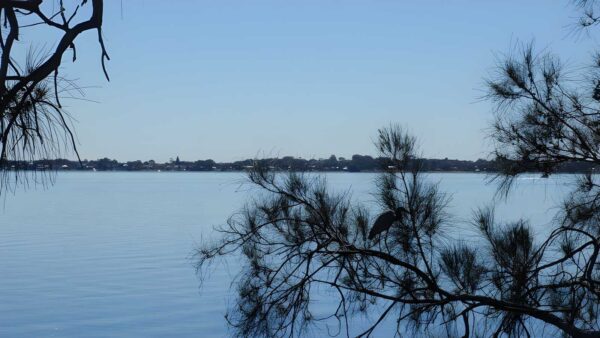

Coastal Dunes, Red Gum Forest and Wetlands at Magenta
Overview
Magenta sits on the North Entrance Peninsula within Wyrrabalong National Park on the Central Coast, near The Entrance and about 105 kilometres north of Sydney. This part of the park protects a long coastal sand barrier between Tuggerah Lake and the Pacific, where dunes, wetlands, littoral rainforest and red gum forest all sit surprisingly close together. That mix gives the area a very different feel from the more built-up beaches nearby, with a broader, flatter coastal landscape shaped by sand, lake water and sea winds.
The larger park is made up of northern and southern sections plus islands in Tuggerah Lake, but Magenta belongs to the northern section, which covers most of the peninsula. It is one of the most important conservation areas on this stretch of coast, holding the largest intact remnant of littoral rainforest and the largest stand of Sydney red gums on the NSW Central Coast, along with significant freshwater wetlands.
Highlights
What stands out at Magenta is the shape of the land itself. This is an intact barrier dune system, built from long, narrow sand dunes that separate Tuggerah Lake from the ocean. The result is a landscape of low sandy rises, sheltered swales and wetland pockets rather than steep headlands or inland ridges.
The scenery also has strong contrast. In one part of the area you get open coastal sand country, and in another there is dense littoral rainforest and the distinctive red gum forest that is especially well known on the Central Coast for its striking appearance. The lake edge and wetland country add another layer again, giving Magenta a softer, greener character than many exposed oceanfront reserves.
Best Time to Visit
Spring is a particularly good time to be here, when wildflowers are a feature across the broader park and the coastal vegetation is at its most lively. The milder months also tend to suit this kind of exposed sand-country walking, when the air is clearer and the heat is less draining.
Magenta also works well outside spring if you are more interested in the shape and atmosphere of the place than seasonal displays. The mix of dunes, forest and wetlands gives it year-round interest, and the nearby coast is part of a landscape known for land-based whale watching in season.
Plants and Animals
Magenta is part of a park with unusually rich plant communities for a relatively compact stretch of coast. North Wyrrabalong supports freshwater wetlands, swamp forest, littoral rainforest, coastal dune vegetation and red gum forest, with six endangered ecological communities recorded across the park.
The littoral rainforest here is especially important because it provides habitat for large populations of the threatened magenta lilly pilly. The wetlands and lake-edge vegetation are also significant, while the broader park supports habitat for threatened animals including migratory and resident wading birds and the squirrel glider.
Culture and Heritage
Wyrrabalong National Park lies in the traditional country of the Darkinjung and Awabakal Aboriginal people. For this part of the coast, Aboriginal heritage includes a variety of sites across the park, with Pelican Point noted for an extensive midden and a rock platform with longstanding cultural significance.
Find more places to explore…
Help expand the trail collection!
Know of an official trail not listed on Trail Hiking Australia? I’m focused on showcasing the best tracks managed by land managers, and I’d love your help! Sharing a trail adds to our community and helps others discover safe, new adventures.
Submit your trail here

