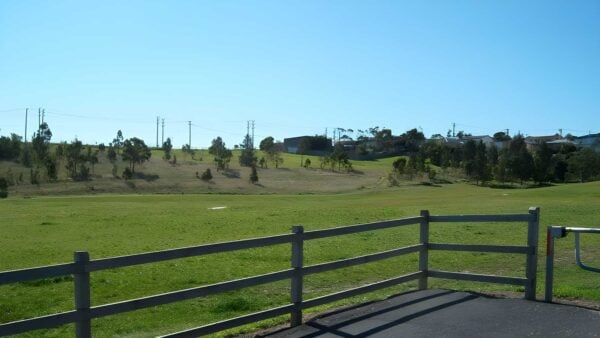
Remnant Grassland and Wide Views Above Glenorchy
Overview
Lutana Woodlands is a small bushland reserve in Lutana, within Glenorchy’s network of natural areas just north of central Hobart. Its character comes from two things that are easy to remember once you have been there: an elevated position with broad views, and patches of remnant native grassland that give the reserve much of its ecological value.
Although compact, the reserve supports more than 40 native plant species across grassland with a mix of grasses, herbs, orchids, shrubs and trees. Recent restoration work has focused on strengthening those natural values through planting and weed removal.
Highlights
The standout feature here is the outlook. From its higher ground, Lutana Woodlands looks across Glenorchy and nearby suburbs to the Wellington Range, giving the reserve a more open, expansive feel than its suburban setting might suggest.
Just as distinctive is the contrast between open grassy areas and scattered woodland. That mix gives the place a dry, sunlit character that is quite different from wetter or denser bush reserves around Hobart.
Best Time to Visit
Spring is an especially good time to see the reserve at its most interesting, when the native grassland and herbs are more noticeable and the diversity of plant life is easier to appreciate. The warmer months also tend to make the open views and dry woodland character feel most vivid.
At any time of year, clearer days are best if you want to make the most of the long outlook over Glenorchy to the mountain backdrop.
Plants and Animals
Lutana Woodlands is known for remnant native grassland and for species associated with that habitat, including kangaroo grass. White gums, peppermints and she-oaks add woodland structure around the grassier sections.
The reserve also contains threatened species, including spreading knawel and narrowleaf new-holland-daisy. Those surviving grassland patches are significant enough that local restoration has been aimed at improving their quality and floristic diversity rather than simply increasing tree cover.