Sorry, no records were found. Please adjust your search criteria and try again.
Sorry, unable to load the Maps API.
Explore stunning hiking trails of Little Llangothlin Nature Reserve
Discover the diverse trails of Little Llangothlin Nature Reserve, New South Wales, offering hikes and walks for all skill levels and interests. Find your perfect adventure today.
Discover 1 hiking trail in Little Llangothlin Nature Reserve
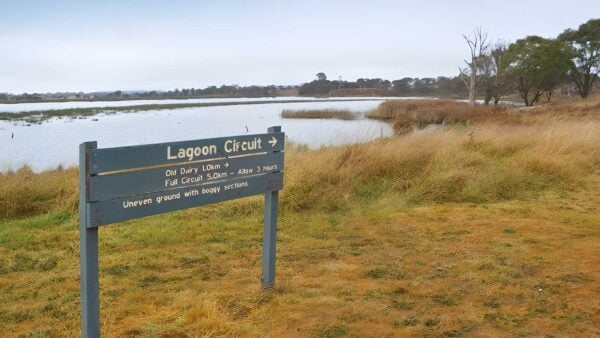

High-Altitude Lagoons on the New England Tablelands
Overview
Little Llangothlin Nature Reserve protects a rare patch of tablelands wetland country in northern New South Wales, between Armidale and Glen Innes on the New England Tablelands. The reserve covers 258 hectares and centres on two upland wetlands, Little Llangothlin Lagoon and part of Billy Bung Lagoon, in a landscape where many similar lagoons were drained or altered for agriculture long ago.
This is a place shaped by water, open sky and the basalt country of the New England Plateau. Little Llangothlin Lagoon is a permanent lake of about 105 hectares within the Ramsar-listed wetland, holding water through most years apart from the harshest droughts. Its relatively intact condition is a big part of what makes the reserve so important.
Highlights
The reserve’s standout feature is its pair of high-altitude lagoons, sitting on the plateau among gently sloping basalt country. Little Llangothlin Lagoon is one of the largest and deepest lakes in the New England Tablelands lake system, while Billy Bung Lagoon adds a second, shallower wetland with a different character. Together they give the reserve a broad, open feel that is quite distinct from forested parks elsewhere in the region.
There is also an unusual geological contrast here. The reserve lies on Tertiary basalt, with granite outcrops immediately to the east, and the land around the lagoons includes basalt slopes, shallow flats and a lunette on the eastern side of the main lagoon. That mix helps create the varied wetland scenery and habitat that define the place.
Best Time to Visit
Little Llangothlin Nature Reserve is rewarding across the year, but it is especially appealing when the lagoons are holding plenty of water and birdlife is active. Because the main lagoon usually retains water in most years, the reserve keeps its wetland character even when drier conditions affect other parts of the tablelands.
The cooler months suit visitors who enjoy the crisp tablelands atmosphere, while spring often brings a sense of renewal around the wetland edges as vegetation responds to seasonal moisture. Conditions can vary noticeably with rainfall, so the reserve can feel quite different from one season to the next.
Plants and Animals
This reserve is recognised for both its wetland habitats and the life they support. It contains examples of upland wetlands of the New England Tablelands and the Monaro Plateau, along with regenerating native vegetation around the lagoons in a part of the tablelands that has been extensively cleared. That remnant vegetation is important refuge habitat for birds, mammals, amphibians and reptiles.
Waterbirds are one of the defining features of the place. More than 100 bird species have been recorded here, and the lagoons regularly support large numbers of waterfowl and waders, with some species nesting in the reserve. The wetland also acts as a drought refuge for waterbirds. Threatened species recorded here include the Australasian bittern, austral toadflax and New England peppermint.
Frog life is another important part of the reserve’s ecology, with both lagoons supporting a range of species. The mix of permanent and intermittent wetland habitat is one reason this small reserve carries such weight as a conservation area.
Culture and Heritage
Little Llangothlin Nature Reserve lies within country traditionally used by the Banbai people. Artefacts found around the lagoon show long Aboriginal use of a place that provided reliable water and food, and recorded sites in the reserve include scarred trees, open sites, hatchets, grinders and flakes.
The eastern lunette of Little Llangothlin Lagoon is especially significant because it preserves an important archaeological context. The reserve also has more recent historic traces, including evidence of past farming use, but its deeper human story is tied to the long Aboriginal presence around these wetlands.
Find more places to explore…
Help expand the trail collection!
Know of an official trail not listed on Trail Hiking Australia? I’m focused on showcasing the best tracks managed by land managers, and I’d love your help! Sharing a trail adds to our community and helps others discover safe, new adventures.
Submit your trail here

