Waterways, Sandstone and Headlands at Ku-ring-gai Chase
Overview
Ku-ring-gai Chase National Park sits in Sydney’s north, around 20km from the CBD, stretching from St Ives to the Hawkesbury River at Brooklyn. Covering 14,882 hectares, it protects a big sweep of northern Sydney bushland and shoreline, including Barrenjoey Head across Pittwater at Palm Beach. It is also Australia’s second-oldest national park, which adds another layer to a place already known for its striking mix of water, forest and sandstone country.
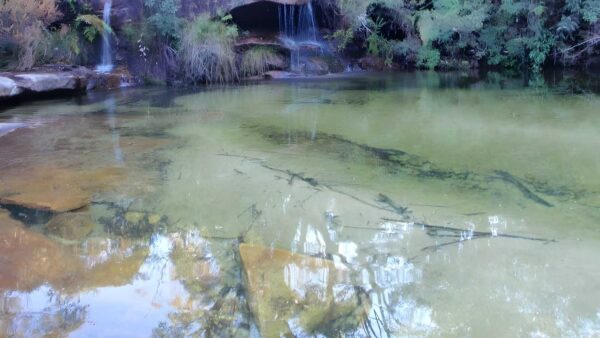
What makes this park feel different from many others around Sydney is the way its landscapes change so quickly. Creeks, estuaries and open water sit alongside eucalypt forest, pockets of rainforest, mangroves, rocky cliffs and long ridgelines, so the whole area feels shaped as much by waterways as by land.
Highlights
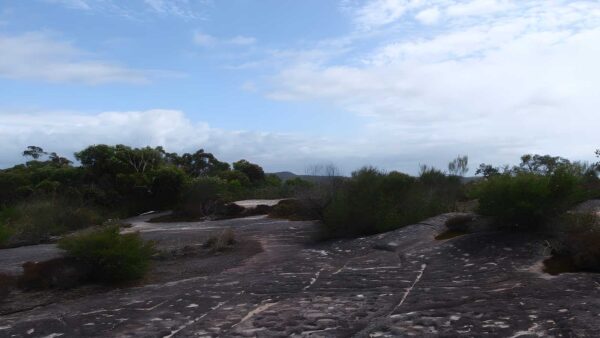
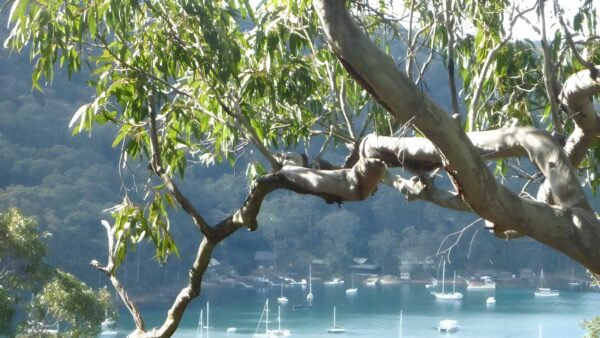
This is a park of drowned river valleys, sheltered bays and prominent headlands. It includes much of the Hawkesbury River, Pittwater and Cowan Water, along with a maze of smaller coves and creeks, which gives the scenery a strong sense of depth and movement. From higher ground, the sandstone country opens out to broad views over broken shoreline, inlets and ocean.
West Head is one of the defining scenic points, looking across Pittwater to Barrenjoey Head and the coast beyond. Elsewhere, the appeal is in the contrast between exposed ridges and calm water edges, with mangrove-fringed estuaries and bush-covered slopes meeting the shoreline in a way that feels unmistakably Sydney.
Best Time to Visit
Ku-ring-gai Chase works well through most of the year, but the milder months of autumn and spring are often the most comfortable for walking, with clearer air and pleasant temperatures across the ridges and waterfront sections. Winter can also be excellent for longer days out, especially when you want crisp views from the headlands and lookouts.
After good rain, the creeks, gullies and sheltered bays can feel especially fresh and green, while warmer months tend to bring out the coastal character of the park, with brighter light on Pittwater and the Hawkesbury.
Plants and Animals
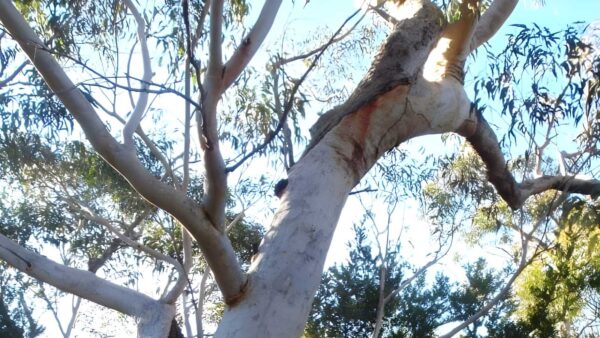
The park brings together several of the plant communities that define northern Sydney, including eucalypt forest, rainforest pockets and mangrove habitats around its creeks and estuaries. That mix of dry ridges, sheltered gullies and tidal edges supports notably rich biodiversity and makes the landscape feel more varied than many parks so close to the city.
Its habitats are recognised as an exceptional representation of Sydney region biota, with high species richness and diversity. The combination of bushland, waterways and adjoining marine environments gives wildlife room to move across very different settings within the one park.
Culture and Heritage
Ku-ring-gai Chase holds a strong and visible Aboriginal cultural presence. More than 350 Aboriginal sites have been recorded here, including rock engravings, burial sites, axe grinding grooves and places showing evidence of long occupation. These sites are spread through the park and remain an important part of its living cultural landscape.
The park’s wider heritage is also significant in New South Wales because of its early reservation as a national park and its long-standing place in Sydney’s relationship with bushland and waterways.