Waterways, sandstone and coastal bush on Sydney’s northern edge
Overview
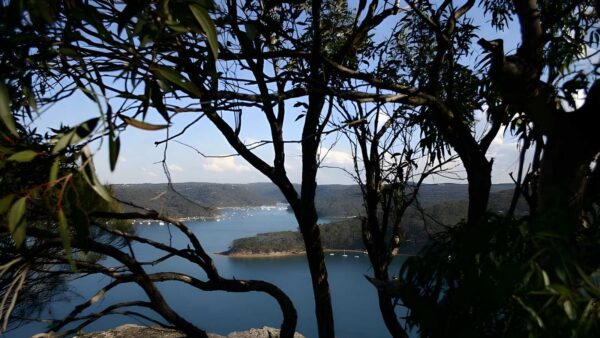
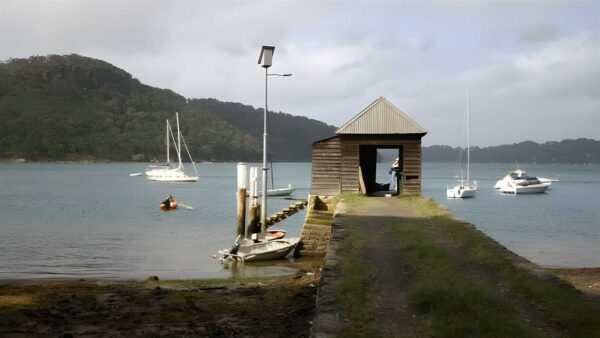
Ku-ring-gai Chase National Park sits on Sydney’s northern side and feels much larger and wilder than its city-fringe setting suggests. It covers nearly 15,000 hectares, wrapping around deep inlets, estuaries, sheltered bays and headlands where bushland runs right down to the water. The park is also recognised on Australia’s National Heritage List for its natural and cultural values.
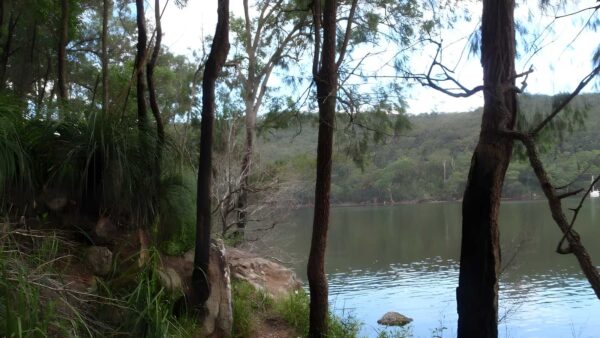
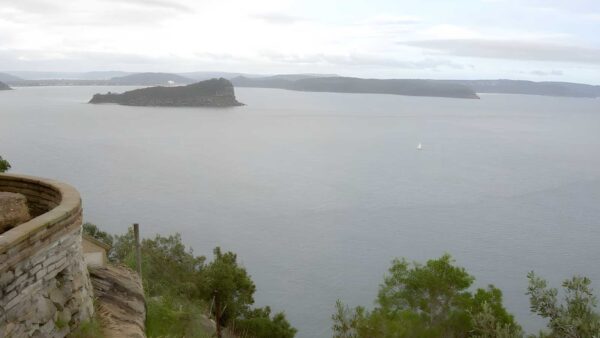
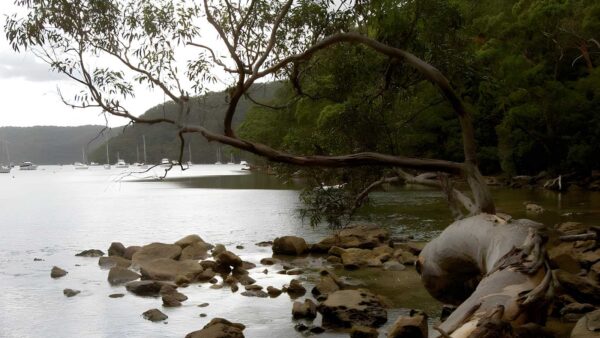
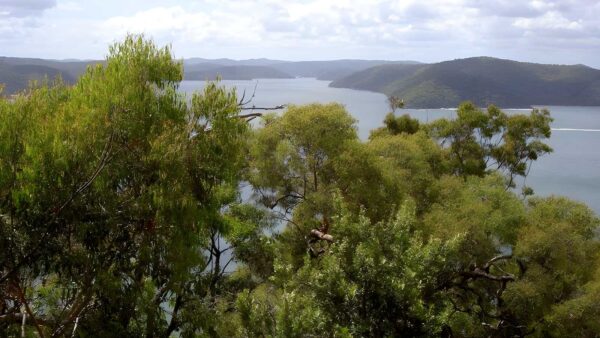
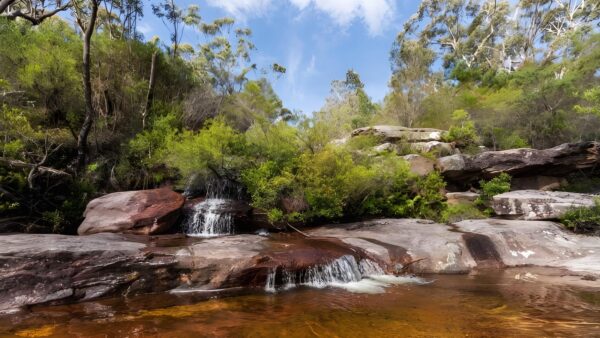
What makes this place stand out is the way land and water are constantly intertwined. Ancient river valleys have been shaped over long periods into plateaus, drowned creek systems, islands and rocky foreshores, so the scenery shifts quickly from open headlands to quiet coves, mangrove-fringed waterways and forested slopes.
Highlights
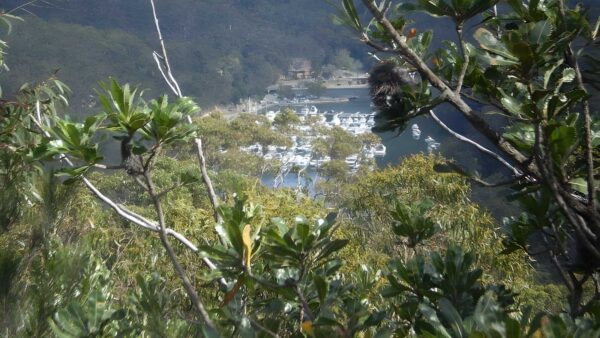
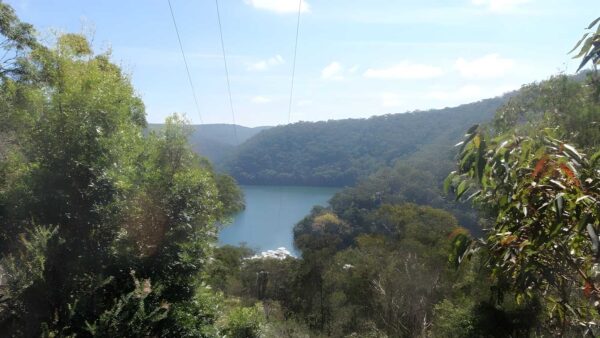
The scenery here is defined by Hawkesbury sandstone country meeting the coast. Deeply incised valleys, estuaries, bays and headlands give the park a strong sense of relief, with broad water views in one direction and rugged bushland in the other. Around places such as Cowan Creek, Pittwater and the lower Hawkesbury, the landscape has a layered look, with ridgelines, inlets and broken sandstone slopes creating that distinctly northern Sydney character.
There is also real geological interest beneath the surface beauty. Alongside the familiar sandstone landforms are less common features including volcanic dykes, diatremes, shale lenses and ironstone outcrops, which help explain the park’s varied terrain and plant communities.
Best Time to Visit
Ku-ring-gai Chase National Park can be rewarding at any time of year, but the most comfortable months for walking are usually from autumn to spring, when cooler temperatures make longer days outdoors more pleasant. Spring is especially appealing if you enjoy seeing the bush at its liveliest, while the clearer, milder conditions of autumn often suit big water views and long ridge walks.
Summer still has its appeal, particularly in the more coastal and waterside parts of the park, though exposed ridges and headlands can feel hot in the middle of the day. Because this is a park of waterways, escarpments and varied vegetation, the feel of the place changes a lot with season, light and weather.
Plants and Animals
This is one of the richest natural areas remaining so close to Sydney. The park protects a wide mix of habitats, from coastal, estuarine and freshwater environments to forested bushland, and that variety supports an impressive range of life. More than 1,000 plant species and 300 animal species have been recorded here, along with eight threatened ecological communities.
The plant communities are closely tied to the underlying landforms and soils, which is why the vegetation can change so quickly across short distances. The park also supports many rare and threatened species, including significant populations of Caley’s grevillea and Haloragodendron lucasii.
Culture and Heritage
Ku-ring-gai Chase National Park is in the Country of traditional Aboriginal custodians, and the landscapes and waterways here hold deep spiritual significance. Aboriginal people continue to live in and visit the area, maintaining connection to Country, knowledge and cultural responsibilities that remain part of the living landscape today.
More than 800 Aboriginal sites have been recorded across the park and associated reserves, including middens, burial sites, engravings, rock art, occupation sites and ceremonial places. More than 170 rock engraving sites are recorded here, forming one of the largest collections of Aboriginal art in the Sydney region. Some sites are interpreted for visitors, but the broader significance of the park lies in the fact that it is a continuing cultural landscape, not just a collection of isolated sites.