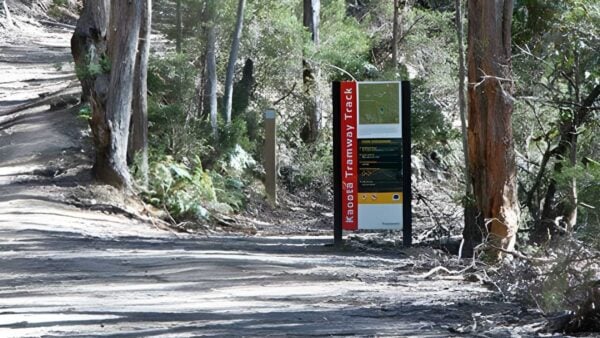
Dry Forest Country Above the D’Entrecasteaux
Overview
Kaoota sits in the hills south of Hobart, in an area of bushland and rural country that forms part of the broader Snug Tiers landscape. The reserve here is a nature recreation area of about 5,576 hectares, large enough to feel properly removed from the city while still being part of the southern ranges close to the D’Entrecasteaux Channel. It is known for representative forest, with long ridgelines, dry slopes and a patchwork of native vegetation that gives the area its distinctly southern Tasmanian character.
Highlights
The appeal of Kaoota is in its forested hill country rather than any one landmark. This is a landscape of dry eucalypt bush, broad ridges and changing views across the surrounding district, with the higher ground giving a real sense of the country between the Channel and Hobart’s southern hinterland. In places the bush opens out enough to show the shape of the land, and that contrast between enclosed forest and more open slopes is a big part of what makes the area memorable.
Best Time to Visit
Kaoota is at its most comfortable for walking in the cooler months from autumn to spring, when the dry forest is easier to enjoy and the air is often clearer across the ridgelines. Spring also brings fresh growth and more activity in the bush. Summer can still be rewarding, but the landscape is typically drier and more exposed, so it tends to feel harsher through the middle of the day.
Plants and Animals
This part of the Snug Tiers is protected for its representative forest, and the vegetation is typical of southern Tasmania’s dry eucalypt country. Across the wider reserve type in this district, forests and woodlands dominated by peppermint, white gum, black gum and brown-top stringybark are characteristic, along with sheoak in some places. Habitat like this supports native wildlife adapted to dry forest environments, and the size of the bushland helps maintain movement across the broader landscape.