Waterfalls, granite slopes and jarrah forest on Perth’s eastern edge
Overview
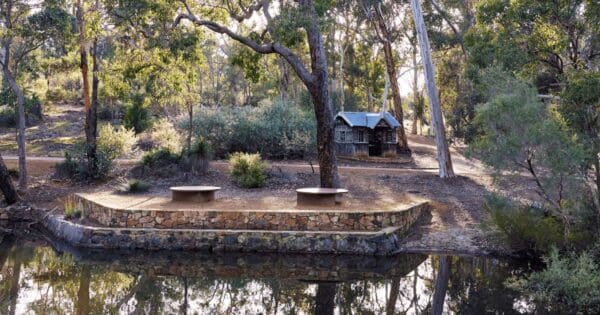
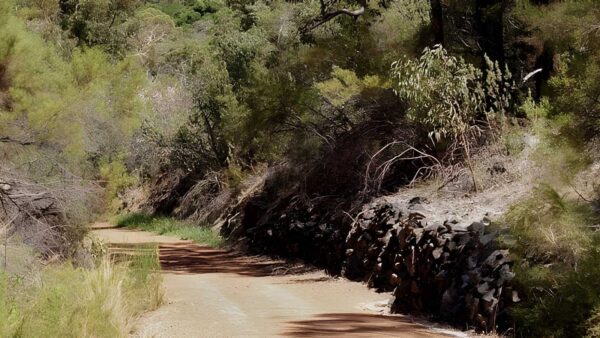
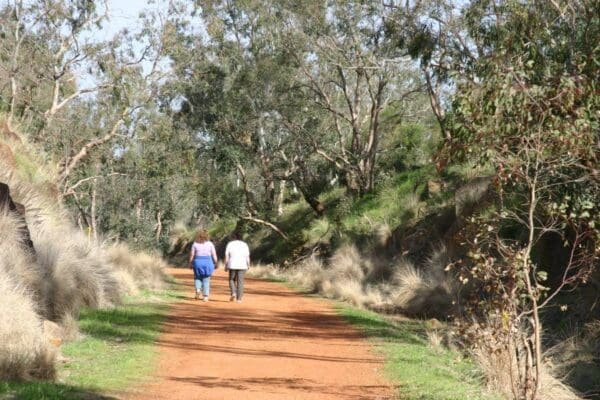
John Forrest National Park sits in the hills east of Perth, around 24km from the city, where the Darling Scarp begins to rise from the coastal plain. It was created in 1900 as Western Australia’s first national park, and the landscape still feels like an early meeting point between city and bush: steep valleys, creek lines, rocky slopes and broad areas of eucalypt forest close to the metropolitan edge.
The park is shaped by Jane Brook and its tributaries, which cut through ancient granite and lateritic uplands before dropping over seasonal falls. That mix of forested hills, watercourses and exposed rock gives the park a strong sense of relief and makes it one of the more varied pockets of bushland in the Perth Hills.
Highlights
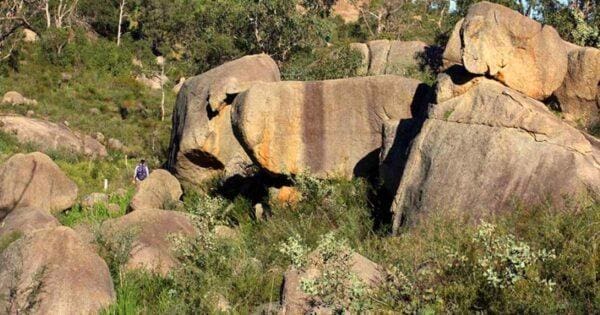
The scenery here is defined by the western edge of the Darling Plateau. Granite bedrock, laterite-capped uplands and V-shaped valleys create a more rugged feel than many reserves closer to Perth, with long views across the Swan Coastal Plain from higher points in the park.
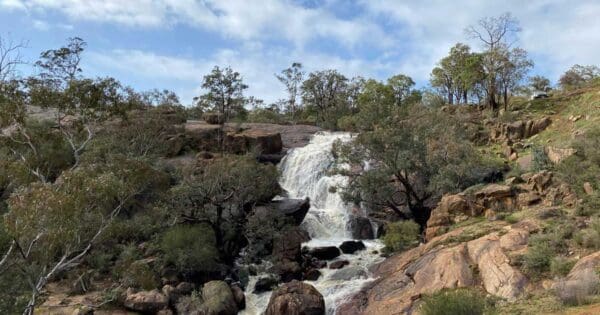
Jane Brook is central to the park’s character, especially where it forms the well-known cascades at National Park Falls and Hovea Falls. In the wetter months the running water changes the whole feel of the place, softening the rocky gullies and drawing attention to the contrast between shaded creek lines and the drier forested slopes above.
Best Time to Visit
Late winter and spring are usually the most rewarding times to be here. This is when the creeks and waterfalls are flowing, the weather is milder, and the park’s wildflowers are at their best. Summer can be very hot, which tends to flatten the experience, while the cooler months bring out more of the park’s colour, texture and movement.
Plants and Animals
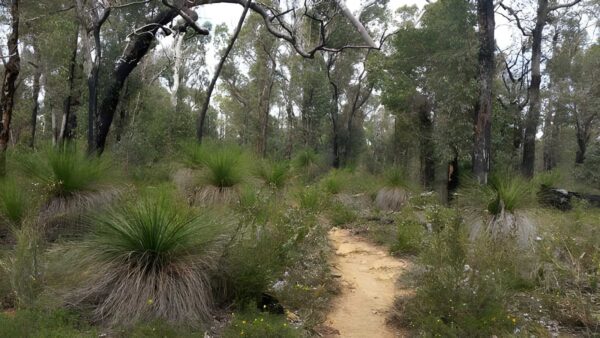
John Forrest National Park protects a varied patchwork of vegetation on the scarp and plateau, including jarrah and marri forest, areas of wandoo, sheoak, wetlands and creek-side plant communities. Wildflowers are a big part of the seasonal appeal, with the understorey changing noticeably through the flowering months.
The park also supports a good spread of native fauna. Kangaroos are among the animals people are most likely to notice, and the mix of dense understorey, creek habitat and hollow-bearing trees supports a range of birds. Species recorded here include the forest red-tailed black cockatoo and the red-eared firetail, while native mammals recorded in the park include echidnas, honey possums, quenda and chuditch.
Culture and Heritage
John Forrest National Park includes recorded Aboriginal sites, including at Jane Brook, and the streams in the park have cultural significance through their connection with the Wagyl in Noongar tradition. The park’s management has also recognised ongoing Noongar cultural links and interests in this place.
Non-Aboriginal heritage is also a major part of the park’s story. Established in 1900, it was the first national park in Western Australia, and parts of the old Eastern Railway Deviation remain within the park, along with tunnels, bridges and other historic features that reflect its long public and transport history.