Hike at a Glance
Max elevation: 276m
Min elevation: 73m
Total Ascent: 435m
Hike overview
The Eagle View Walk is a 16-kilometre, grade 4 hike that takes you through the heart of John Forrest National Park in Western Australia. It’s a well-loved route for bushwalkers, offering a mix of challenging terrain and stunning views. This circuit typically takes around four hours to complete, though the time can vary depending on your pace and how much you stop to take in the surroundings.
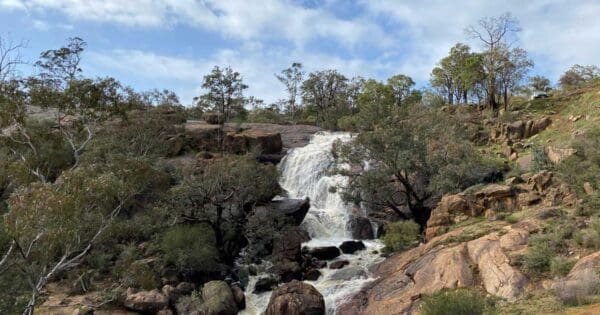
As you walk, you'll be treated to expansive views over the Swan Coastal Plain, with Perth city on the horizon and the ocean stretching out in the distance. The trail offers a deep connection to nature, passing through a range of habitats that are a haven for local wildlife. In spring, the path comes alive with vibrant wildflowers, making it a particularly beautiful time to visit. The hike also takes you past several picturesque waterfalls, adding a serene touch to the landscape.
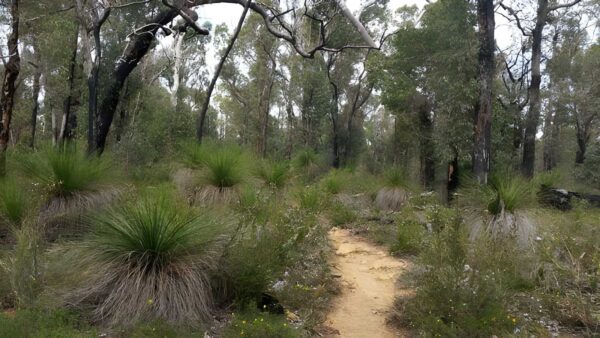
John Forrest National Park, located in the Darling Ranges, is Western Australia's oldest national park. The park’s diverse ecosystems provide a perfect backdrop for the Eagle View Walk, which leads you through a variety of vegetation types. From heathlands and open wandoo woodlands to the mixed jarrah-marri-wandoo forest, the trail showcases the richness of the region’s flora.
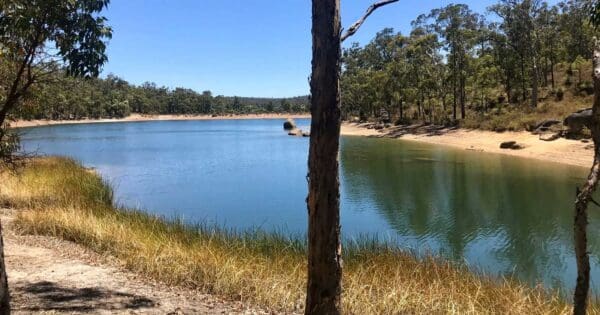
The hike begins away from the picnic areas, following Jane Brook as it winds down the valley. As you continue, the trail ascends the valley wall, where you can stop to take in a sweeping view of the surrounding landscape. From there, the path undulates through valleys, creek lines, and rolling hills, making for a dynamic and engaging walk. Eventually, the trail loops back toward the brook, guiding you back to the main visitor area. Along the way, signs placed every two kilometres help you keep track of your progress, showing both how far you’ve come and how much further you have to go.
If you’re looking for a quiet spot to rest, Hovea Falls is a lovely place for a picnic, especially when the water is flowing. The Eagle View Walk can be tackled in either a clockwise or anticlockwise direction, each offering its own perspective of the park. While the trail is more challenging than others in the area, the rewards are well worth the effort. With a bit of planning, you can expect to complete the hike in about four and a half to seven hours, depending on your fitness level and how much time you spend enjoying the scenery.
The trailhead sign is located just across the brook, roughly 100 metres from the registration point. As you walk, you'll be guided by yellow triangle markers, each featuring the silhouette of an eagle. These markers are generally easy to spot, though there may be fewer of them when the trail overlaps with other paths.
Track grade
Grade 4 (Hard) - Challenging Walks for Experienced Walkers: Grade 4 on the AWTGS signifies challenging walking tracks. Bushwalking experience is recommended for these tracks, which may be long, rough, and very steep. Directional signage may be limited, requiring a good sense of navigation. These walks are suited for experienced walkers who are comfortable with steeper inclines, rougher terrain, and potentially longer distances.
Practical information
- Bring plenty of water, especially in summer when temperatures can soar.
- Allow ample time for the hike—depending on your fitness level, it will take between four and seven hours.
- Factor in extra time if you plan to pause and appreciate the beautiful surroundings along the way.
Walk map and GPX file
Max elevation: 276 m
Min elevation: 73 m
Total climbing: 435 m
Total descent: -435 m
GPX files, maps and content are copyright Trail Hiking Australia. Not to be copied, redistributed or uploaded to other platforms including AllTrails.
Explore safely
Planning this hike? Most incidents develop before you even start. Safe outcomes depend on how navigation, hydration, environment, load and judgement work together. Small oversights can compound quickly in Australian conditions. See how it happens in the Hiking Safety Systems Foundations. Then use the Hiking Safety Systems, planning calculators, and make sure a trusted contact has your trip plan before heading out.
Leave a trip plan
Before you go, complete a trip intentions form and share it with a trusted contact. Agree on a Late-Back Time and ask them to call 000 (Police) if you have not checked in. A clear trip plan is one of the simplest and most effective safety steps you can take.
Planning checklists
Download the hiking preparation and safety checklists before leaving home to help you think through your plans. They help ensure important considerations are not overlooked and support safer decision-making on the trail.
Getting there
Getting to the trailhead: John Forrest National Park.
To reach the trailhead for the Eagle View Walk, head east along Great Eastern Highway and turn north into John Forrest National Park. Once inside the park, you’ll find the trailhead sign just across the brook, about 100 metres from the registration point. To get there, simply cross the bridge over Jane Brook, located directly north of the ranger’s office. While the trail was initially designed to be walked in a clockwise direction, it has since been found to be equally enjoyable when tackled anticlockwise. When you arrive at the trailhead, you can decide which direction suits you best before beginning your adventure.
Need a rental car to get you to the hike? Find one here.
Accommodation nearby
Find accommodation close to the trailhead including hotels, cabins, and campgrounds. Use the interactive map to explore available options in nearby towns.
Nearby towns: Boya, Darlington, Gidgegannup, Glen Forrest, Gooseberry Hill, Greenmount, Helena Valley, Hovea, Kalamunda, Mahogany Creek, Midland, Mundaring, Parkerville, Sawyers Valley, Stoneville, Swan View
About the region
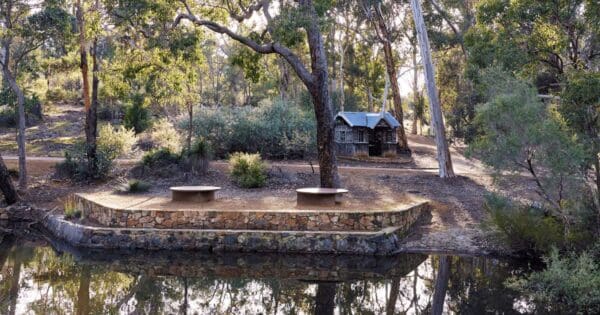
John Forrest National Park, located just 30 minutes from Perth, is one of the highlights of this area. As the first and oldest national park in Western Australia, it offers an array of scenic views, walking and cycling trails, and historic structures set against a backdrop of diverse wildlife. Upon arrival at the park, visitors can find numerous picturesque locations ideal for picnicking or using one of the available barbecues. The park features two waterfalls that flow during winter and spring—an especially beautiful time to witness the vibrant wildflowers in bloom.
The trails within John Forrest National Park lead adventurers through towering jarrah, marri, flooded gum, swamp peppermint, and paperbark trees. An intriguing feature is the Swan View Tunnel, which adds an element of mystery to your walk. While exploring these paths, you may encounter native wildlife such as western grey kangaroos lounging in their natural habitat. For those who prefer cycling, the Railway Reserves Trail offers an excellent opportunity to explore the area on two wheels. Whether you opt for a hike on one of the many trails or simply visit the lookouts, you’ll have plenty of chances to capture memorable photos showcasing views of Perth and the Swan Coastal Plain.
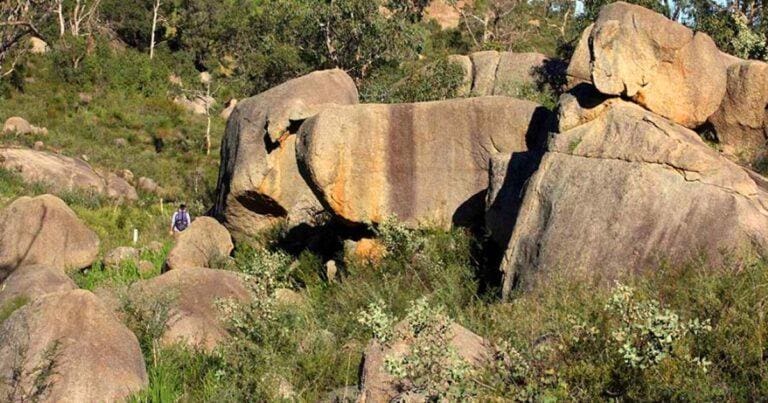
The cultural history of this region is equally significant. The Nyoongar people have inhabited the Midland to Guildford area long before European settlement. Historical accounts suggest that this area served as a hunting ground and that Jane Brook Valley was an ancient travel route used by the Nyoongar people to navigate across the Darling Scarp towards more open lands in the east. Jane Brook holds cultural importance as well; it is associated with the Dreamtime serpent known as Waugal, with local traditions stating that the rocks along this brook are remnants of this mythical creature.
Similar walks nearby
Looking for more walks in or near John Forrest National Park? Try these trails with a similar difficulty grade.
Gallery
Got any photos from this hike? Your photos can help others plan. Share shots from along the trail so fellow hikers know what to expect.
Click to add your photos >>
Suggest an edit
Notice something different about this trail? Whether it’s a new feature, a route change, or a closure, share your update so we can keep our info accurate and helpful for fellow hikers.
Click to suggest edits >>
Acknowledgement of Country
Trail Hiking Australia acknowledges the Traditional Owners of the lands on which we hike and pay respects to their Elders, past and present, and we acknowledge the First Nations people of other communities who may be here today.