Sorry, no records were found. Please adjust your search criteria and try again.
Sorry, unable to load the Maps API.
Explore stunning hiking trails of Jervis Bay National Park
Discover the diverse trails of Jervis Bay National Park, New South Wales, offering hikes and walks for all skill levels and interests. Find your perfect adventure today.
Discover 3 hiking trails in Jervis Bay National Park
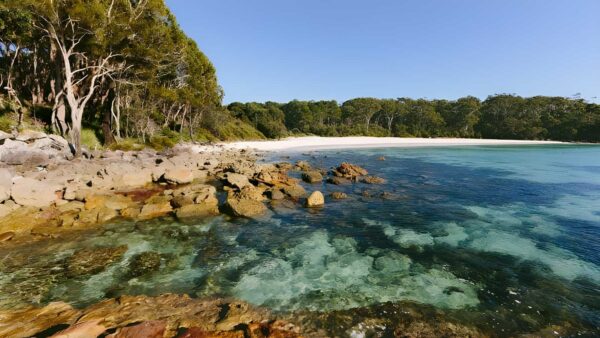

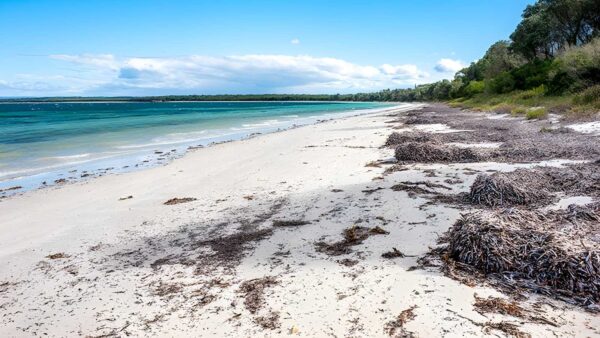


White Sand Shores and the Wetlands of Jervis Bay
Overview
Jervis Bay National Park spreads around parts of the northern and western shores of Jervis Bay, about 20 kilometres south-east of Nowra on the NSW South Coast. It is a varied coastal park rather than one single block of bushland, bringing together beaches and estuaries with forests, woodlands, heathlands and wetland country. That mix gives the park its character. One moment it feels all bright water and pale sand, and the next it shifts into tea-tree, scribbly gum and low heath.
A big part of its identity is Lake Wollumboola, a shallow coastal lake within the park that is recognised as the largest shallow saline lagoon on the NSW south coast. Along with the creeks and estuarine wetlands, it gives the park a broader, more layered feel than the famous beaches alone might suggest.
Highlights
The scenic appeal here comes from contrast. The Greenfield Beach and Hyams Beach section is known for white sandy beaches backed by forest, while elsewhere the shoreline breaks into rock platforms, dunes, creek mouths and wetland edges. Around Carama Creek, Wowly Gully and Moona Moona Creek, the park opens into broad wetland landscapes that feel quite different from the surfside sections.
Lake Wollumboola adds another distinct element to the landscape. Its wide, open water, mudflats and changing shoreline create a softer, quieter kind of coastal scenery, especially compared with the more exposed bay beaches. The forested shores of St Georges Basin add yet another face to the park, giving it a strong sense of variety across a relatively compact part of the coast.
Best Time to Visit
This is a park that changes with the seasons rather than having one narrow window when it is at its best. The warmer months bring the bright coastal character most people picture when they think of Jervis Bay, while the cooler months tend to suit longer walks and birdwatching around the wetlands and lake margins. If you are most interested in flowering heath and a mix of beach and bush scenery, spring is often especially rewarding.
Because the park includes beaches, heathlands, forests and major wetland habitat, the feel of a visit can vary a lot through the year. Water levels and bird activity around Lake Wollumboola also shift over time, so different seasons can show quite different sides of the place.
Plants and Animals
Jervis Bay National Park is unusually rich in habitats, with forests, woodlands, heathlands, wetlands, beaches and estuaries all packed into the one park. Across the wider park there are eight endangered ecological communities, 14 rare or threatened plant species and 34 threatened fauna species recorded. The heathlands are especially rich in flowering plants, and the park is also known for species such as the Jervis Bay leek orchid.
The wetlands and lake systems are just as important for wildlife as the bushland. Lake Wollumboola supports large populations of waterbirds, provides an over-wintering ground for migratory waders and acts as a drought refuge. Significant populations of the endangered eastern bristlebird occur in the park, and there are breeding sites for the little tern. Around the lake, black swans, waterfowl and shorebirds are a major part of what makes the landscape feel alive.
Culture and Heritage
Jervis Bay National Park has strong Aboriginal connections going back thousands of years, and Aboriginal people maintain strong connections with the land. The park has high Aboriginal social values, and 15 Aboriginal sites have been recorded there.
The park also includes evidence of earlier European settlement, though its deeper sense of history is tied to Country itself and to the long continuity of Aboriginal presence along this coast.
Find more places to explore…
Help expand the trail collection!
Know of an official trail not listed on Trail Hiking Australia? I’m focused on showcasing the best tracks managed by land managers, and I’d love your help! Sharing a trail adds to our community and helps others discover safe, new adventures.
Submit your trail here

