Sorry, no records were found. Please adjust your search criteria and try again.
Sorry, unable to load the Maps API.
Explore stunning hiking trails of Illawarra Escarpment State Conservation Area
Discover the diverse trails of Illawarra Escarpment State Conservation Area, New South Wales, offering hikes and walks for all skill levels and interests. Find your perfect adventure today.
Discover 4 hiking trails in Illawarra Escarpment State Conservation Area

Cliffs, Rainforest and the Long Edge Above Wollongong
Overview
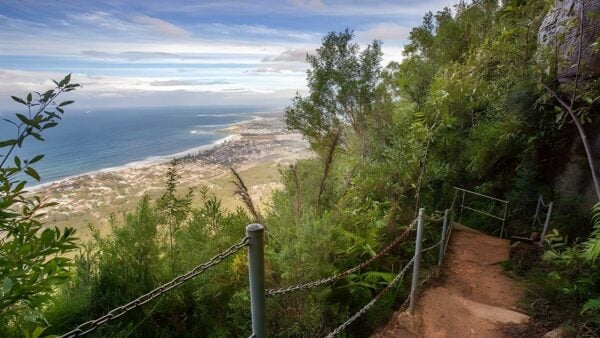
Illawarra Escarpment State Conservation Area protects 2,772 hectares of the escarpment between Stanwell Park and West Dapto, in six separate sections stretching for about 40 kilometres along the range above the coast. It sits right on the edge of Wollongong and takes in nearly 30 per cent of the Illawarra escarpment, plus a small sliver of the Woronora Plateau, so it feels both close to the city and geologically distinct from it.
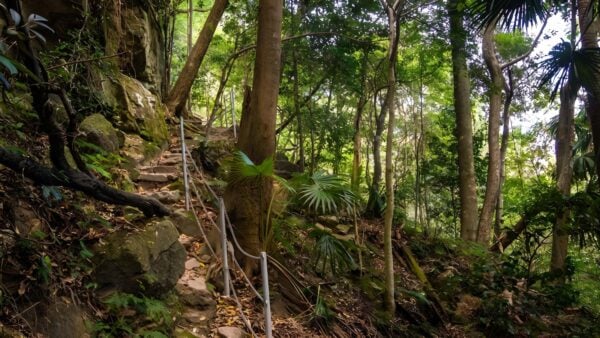
This is a place shaped by the escarpment itself. Massive Hawkesbury Sandstone cliffs form the rim, while the slopes below are built from softer sandstones, shales and claystones that have weathered into steep, heavily vegetated country. High rainfall, frequent fog and sheltered slopes create a cool, damp microclimate that helps sustain extensive rainforest across the escarpment.
Highlights
The big draw here is the escarpment’s sheer physical presence. Long cliff lines rise above the coastal plain, with sandstone walls, steep forested slopes and a strong sense of elevation all the way from the northern sections near Stanwell Park to the southern country around Wongawilli. It is the landform itself that gives this reserve its character and makes it such a defining part of the Illawarra skyline.
Mount Keira and Mount Kembla are two of the best-known high points within the reserve, and several lookout areas along the escarpment make the most of that edge-of-the-continent feeling. In cooler months, the combination of clear air, height and proximity to the coast can make the outlook especially sharp.
Best Time to Visit
This place changes with the weather more than with the calendar. The escarpment’s high rainfall and fog are part of what make it so distinctive, and they also keep the forests lush through much of the year. After wet periods, the slopes and gullies tend to feel especially green and enclosed, while cooler months often bring clearer coastal views from the higher edges.
If you are choosing a season purely for atmosphere, autumn through spring usually shows the escarpment at its best. Summer can still be rewarding, particularly in the shaded rainforest sections where the damp microclimate softens the heat.
Plants and Animals
The reserve has notably high biodiversity, with 22 vegetation communities, including four endangered ecological communities, nine threatened plant species and 21 threatened native animals. It also protects a third of the escarpment’s rainforest within the Wollongong local government area, and most of the region’s rainforest types.
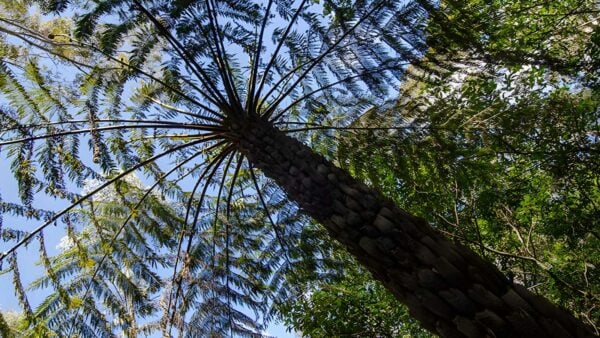
Vegetation shifts with altitude and landform. Subtropical rainforest is mostly found on the lower slopes, while warm temperate rainforest is more typical of the upper slopes and gullies. Canopy species include giant stinging tree, sassafras, native tamarind, red cedar, small-leaved fig, Moreton Bay fig and coachwood. The park also supports species such as the vulnerable Pultenaea aristata, along with threatened animals including the gang-gang cockatoo, glossy black-cockatoo, powerful owl, koala and spotted-tailed quoll.
Culture and Heritage
The area is in the traditional Country of the Wodi Wodi people of the Dharawal language group. It also contains Aboriginal cultural heritage and long-used travel routes linking the coastal plain with the plateau, with Mount Keira and Mount Kembla holding continuing cultural significance.
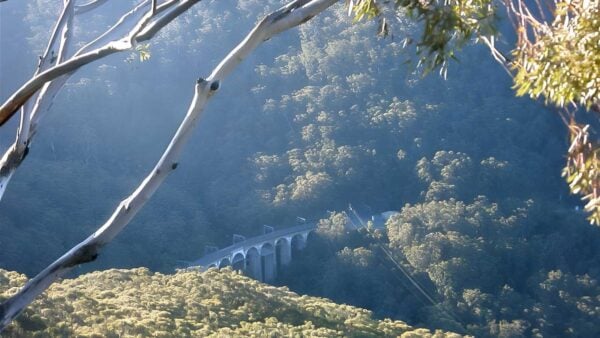
European history has also left a strong mark along the escarpment. Parts of the reserve contain remnants linked to early roads, farming and coal mining, and several heritage items are associated with places such as Mount Kembla and Farmborough Heights.
Find more places to explore…
Help expand the trail collection!
Know of an official trail not listed on Trail Hiking Australia? I’m focused on showcasing the best tracks managed by land managers, and I’d love your help! Sharing a trail adds to our community and helps others discover safe, new adventures.
Submit your trail here

