Sorry, no records were found. Please adjust your search criteria and try again.
Sorry, unable to load the Maps API.
Explore stunning hiking trails of Hornsby Heights
Discover the diverse trails of Hornsby Heights, New South Wales, offering hikes and walks for all skill levels and interests. Find your perfect adventure today.
Discover 3 hiking trails in Hornsby Heights

Creek Country on Sydney’s Northern Edge
Overview
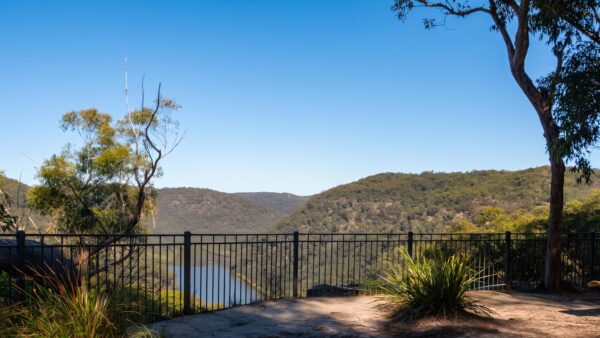
Hornsby Heights sits on Sydney’s northern fringe, where suburban streets give way to steep bushland, tidal creeks and long sandstone ridges. The suburb is closely tied to the Berowra Valley, with Crosslands Reserve at its edge and broad stretches of surrounding bush connected to Berowra Valley National Park. It is only about 20 to 26 kilometres north-west of central Sydney, but the landscape feels much further removed, especially once the country drops towards Berowra Creek.
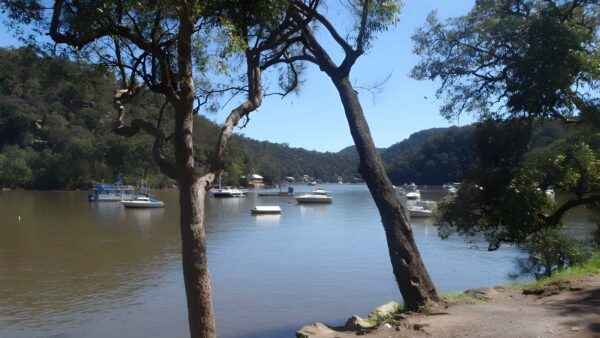
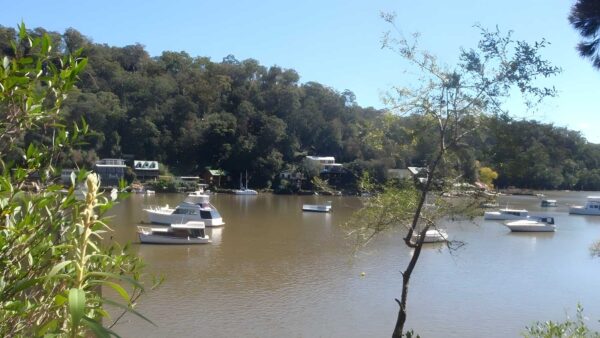
This is a place shaped by water and sandstone. The bushland around Hornsby Heights follows sheltered gullies and creek flats before opening onto mangrove-lined estuarine country, giving the area a different character from the higher, drier ridges around many other Sydney bushland reserves.
Highlights
The standout feature here is the meeting of upland bush with the lower reaches of Berowra Creek. Around Crosslands, the scenery shifts from sandstone forest to tidal flats, mangroves and saltmarsh, which gives this part of Hornsby Heights a softer, water-focused feel than many inland Sydney bush settings.
The broader valley is also notable for its scale. The surrounding protected bushland forms a large continuous corridor through the Berowra Creek catchment, with deeply cut valleys, winding waterways and pockets of quieter foreshore country that are unusual this close to the city.
Best Time to Visit
Hornsby Heights is rewarding through most of the year, but the milder months from autumn to spring are usually the most comfortable for spending time in the bushland and along the creek edges. Summer can be very warm on exposed sections, while winter tends to bring clearer air and softer light across the valley.
If you are especially interested in the estuarine side of the landscape, warmer months can be a good time to notice the contrast between the shaded forest and the tidal wetlands along the lower creek.
Plants and Animals
The bushland around Hornsby Heights includes several distinct plant communities packed into a relatively small area. Along the creek and wetter ground there are mangrove stands and patches of swamp oak floodplain forest, while other sections support rough-barked apple and forest oak woodland on sandstone country. Coastal saltmarsh also occurs here, adding another layer to the mix of habitats.
That variety supports a wide range of wildlife. Across the Berowra Valley, the bush is known for birdlife and for species such as sea eagles, wedge-tailed eagles, powerful owls and red-crowned toadlets. In nearby sandstone heath and forest, threatened plants such as Persoonia mollis subsp. maxima are also part of the wider ecological story of the park.
Culture and Heritage
The valley around Crosslands formed part of the seasonal range of clans belonging to the Guringai and Dharug language groups. The surrounding landscape provided food, medicine, shelter and other material and cultural resources, and the area may contain occupation sites, rock engravings, middens, scar trees and artefacts.
European use of the lower creek developed around timber cutting, fishing, fruit growing and boat-building in the nineteenth century. Around Crosslands, traces of that working history remain part of the character of the place, tied closely to the creek and its role as a transport route.
Find more places to explore…
Help expand the trail collection!
Know of an official trail not listed on Trail Hiking Australia? I’m focused on showcasing the best tracks managed by land managers, and I’d love your help! Sharing a trail adds to our community and helps others discover safe, new adventures.
Submit your trail here

