Sorry, no records were found. Please adjust your search criteria and try again.
Sorry, unable to load the Maps API.
Explore stunning hiking trails of Hill End Historic Site
Discover the diverse trails of Hill End Historic Site, New South Wales, offering hikes and walks for all skill levels and interests. Find your perfect adventure today.
Discover 3 hiking trails in Hill End Historic Site


Goldfields Landscape and Living Village at Hill End
Overview
Hill End Historic Site sits in the Central Tablelands of New South Wales, about 75 kilometres from Bathurst and 70 kilometres from Mudgee. It covers the core of Hill End village as well as several separate former goldmining areas, including Tambaroora, Golden Gully, Valentines Mine and the Quartz Roasting Pits. What makes the place feel so distinctive is that it is not a museum piece cut off from everyday life, but part of a living village with layers of mining history still written into the streets, gullies and hillsides.
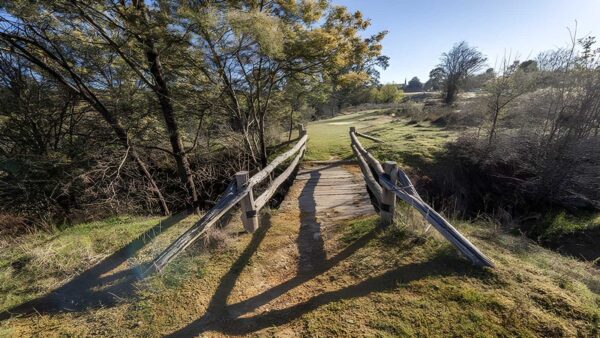
The site is also unusually compact for the amount of history and landscape it holds. Within 134 hectares, there is a mix of old village form, scarred former diggings, remnant woodland and historic plantings that give Hill End a character quite different from a typical bush park.
Highlights
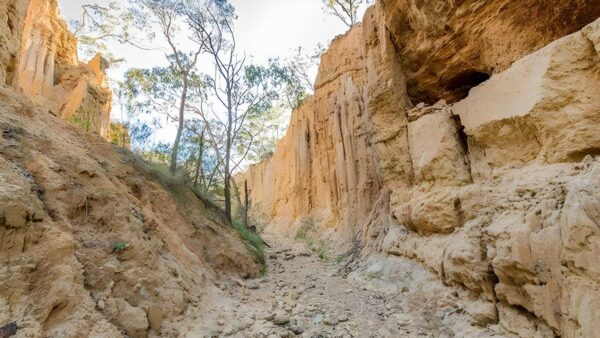
The landscape around Hill End has a rugged, worked-over character that is central to its appeal. Former mining has left deeply altered ground in places, especially around gullies and slopes, and that contrast between broad tablelands country and heavily disturbed earth gives the area a strong visual identity.
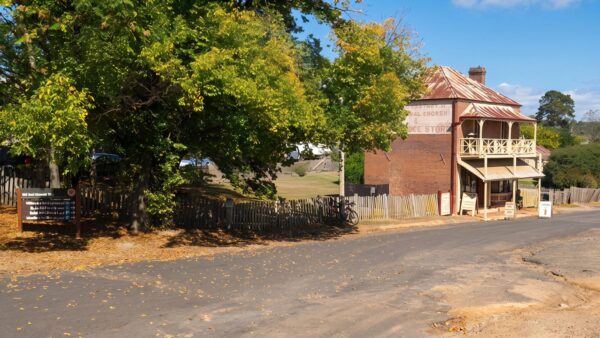
There is also a surprising softness to the scenery. Alongside the old workings, you get modified woodland, old exotic street trees, cottage gardens and orchard plantings that help frame the village and break up the harsher ground. In autumn especially, those older deciduous plantings add colour that stands out against the drier country setting.
Best Time to Visit
Hill End can be visited at any time of year, but the cooler months are often the most comfortable for spending time outdoors and taking in the village and surrounding landscape at an unhurried pace. Autumn is particularly appealing, when the historic street trees change colour and give the settlement a very different look from the surrounding tablelands.
Spring is another good period if you want a milder feel in the air and a bit more contrast in the vegetation. Summer can still be rewarding, though the exposed former mining ground and open village streetscape tend to feel harsher in the heat of the day.
Plants and Animals
Hill End’s vegetation reflects a long history of disturbance. Much of it is a mix of introduced species and heavily modified remnants of native woodland, with stunted regrowth and coppiced canopy trees in some areas. Historic gardens, orchards and street trees are also a defining part of the setting, so the plant life here is as much about cultural landscape as it is about bushland.
Even with limited intact habitat, the site still supports a fair spread of native fauna. Recorded wildlife includes 55 bird species, 10 mammal species, seven of them bats, and 15 reptile species. Birdlife is one of the easier things to notice, with species such as the superb fairy-wren occurring in the area.
Culture and Heritage
Hill End Historic Site is in the traditional Country of the Wiradjuri People, and more specifically in the traditional Country of the Bularidee tribe of the Wiradjuri. Aboriginal occupation of the area stretches back well before the mining era, and place names such as Tambaroora are part of that continuing history.
The better-known built heritage comes from the gold rush period, when Hill End developed into a major mining settlement and left behind an unusually rich collection of buildings, archaeological remains and mining relics. The place also carries a later creative history as a post-World War II artists’ colony, with painters and writers drawn to the worn hills, open light and marks left by mining.
Find more places to explore…
Help expand the trail collection!
Know of an official trail not listed on Trail Hiking Australia? I’m focused on showcasing the best tracks managed by land managers, and I’d love your help! Sharing a trail adds to our community and helps others discover safe, new adventures.
Submit your trail here

