Where Mallee Dunes Meet the Hattah Lakes
Overview
Hattah-Kulkyne National Park sits in Victoria’s far north-west, about 450 kilometres from Melbourne between Ouyen and Mildura. It is a classic Mallee landscape, with sandy country, low scrub and open native pine woodland, but what really sets it apart is the chain of freshwater lakes threaded through the park. The Hattah Lakes are filled seasonally by creeks connected to the Murray River, creating a striking contrast between dry inland country and wetland habitat.
The park also reaches north to the Murray River, so its landscapes shift noticeably from dunes and woodlands to floodplain country shaped by river flows. That mix gives Hattah-Kulkyne a broader feel than many inland parks, with semi-arid country and wetland systems sitting side by side.
Highlights
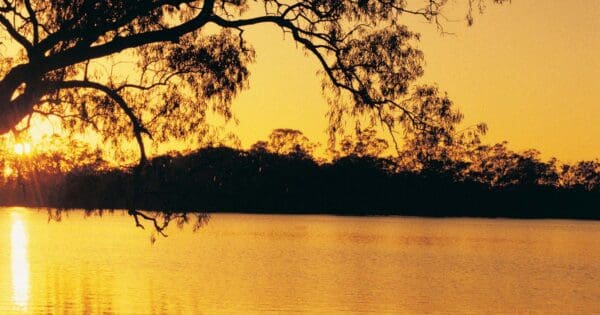
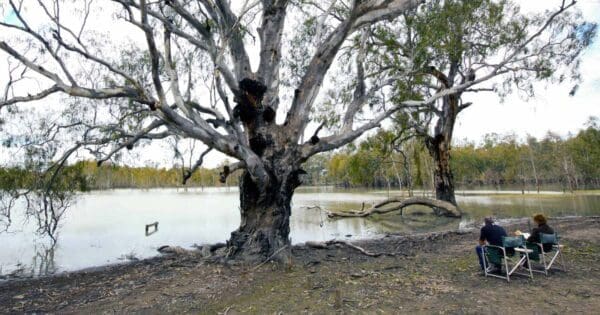
The defining feature here is the Hattah Lakes system, a long chain of inland lakes spread through the heart of the park. When there is water in the system, the broad lake edges, reed-lined shallows and red gum country give the park a very different look from the drier Mallee around it.
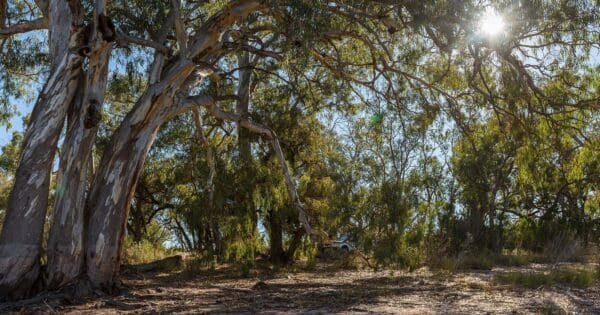
Just as memorable is the contrast in scenery across short distances. Around the lakes and floodplain you get River Red Gum country, while nearby rises and sand plains carry Mallee vegetation and woodlands with ancient Buloke and native pine. Higher viewpoints look out across that patchwork of dunes, lakes and flat country, which is part of what makes the landscape feel so distinctive.
Best Time to Visit
The cooler months are usually the most comfortable time to be in Hattah-Kulkyne. Autumn, winter and spring suit walking best, and winter or spring can be especially appealing when the lakes are holding water and the contrast between wetland and dry country is at its clearest.
Conditions vary a lot with seasonal water, so the park can feel quite different from one visit to the next. After flooding, the lakes and floodplain are at their most vivid, while drier periods put more of the Mallee country itself front and centre.
Plants and Animals
Hattah-Kulkyne supports a mix of plant communities that reflects its shifting ground and water patterns. Around the lakes and floodplain, River Red Gum and Black Box are part of the character of the park. Away from the wetter country, sandy soils support semi-arid Mallee vegetation, open native pine woodland and Buloke country.
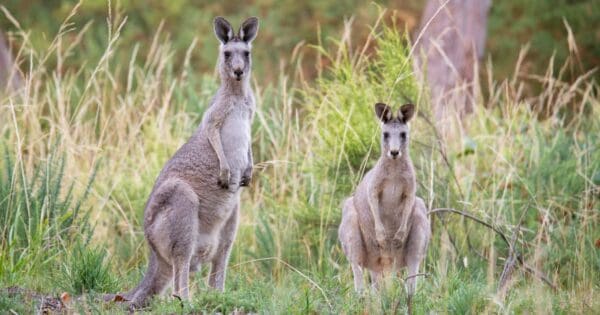
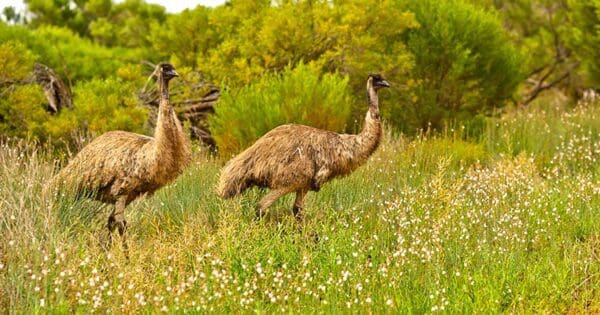
That range of habitats supports equally varied wildlife. The lakes are well known for birdlife and provide food and shelter for waterbirds and fish when they fill. Across the drier country, the park also supports mammals adapted to semi-arid Mallee environments, including species such as the Mallee Ningaui, Silky Mouse and Mitchell’s Hopping Mouse.
Culture and Heritage
Hattah-Kulkyne also holds Aboriginal cultural heritage, including archaeological sites recorded within the park. Its long human history is part of the landscape, particularly around the water systems and country that has supported life here over time.