Sorry, no records were found. Please adjust your search criteria and try again.
Sorry, unable to load the Maps API.
Explore stunning hiking trails of Guy Fawkes River National Park
Discover the diverse trails of Guy Fawkes River National Park, New South Wales, offering hikes and walks for all skill levels and interests. Find your perfect adventure today.
Discover 1 hiking trail in Guy Fawkes River National Park
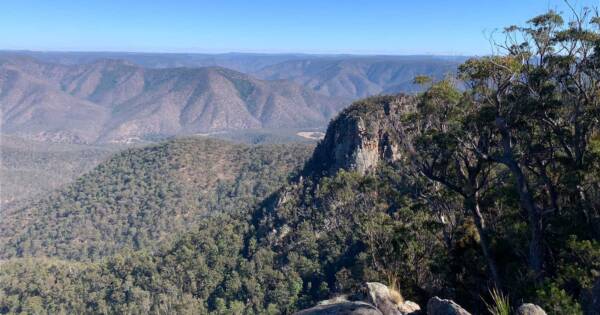

Gorges, Waterfalls and the Fault Line Country of Guy Fawkes River
Overview
Guy Fawkes River National Park sits on the eastern edge of the New England Tablelands in north-eastern New South Wales, north of Ebor and roughly midway between Armidale, Grafton and Dorrigo. It is a big, rugged park shaped by the long north to south line of the Guy Fawkes River, with deep valleys, narrow river flats and high plateau country all packed into the one landscape.
This is also a place of real ecological scale. The park itself covers more than 100,000 hectares, and a large declared wilderness area extends across much of the park and the adjoining nature reserve. Together they protect a broad sweep of gorge country, escarpment forest and river systems that still feel remote and relatively intact.
Highlights
The scenery here is defined by sharp relief. The Guy Fawkes River valley cuts through the park from north to south, while the Aberfoyle, Sara and Henry rivers have carved their own rugged gorges into the tableland edge. Cliffs, rock outcrops, steep gullies and terraced slopes give the whole park a dramatic, folded look.
One of the most distinctive features is the Demon Fault Line, which runs with the Guy Fawkes River valley and marks a major geological break in the landscape. Around Ebor Falls, basalt terraces and striking rock formations add another layer to the scenery, while lookouts along the escarpment open out over the gorge country and the forested ranges beyond.
Best Time to Visit
Guy Fawkes River National Park changes quite a bit with altitude, so the feel of a visit depends on both season and where you are in the park. The higher tableland country around Ebor is cooler and suits spring through autumn particularly well, when clearer days and milder temperatures make the escarpment, waterfalls and lookouts easier to appreciate. Summer brings greener conditions and stronger water flow around the falls, while winter can be crisp and cold on the plateau.
Lower parts of the park sit in warmer river valleys and gorges, which can feel very different from the exposed uplands. Because of that contrast, there is no single perfect season for every part of the park, but the shoulder months usually show off its mix of waterfalls, forest and wide gorge scenery best.
Plants and Animals
This park is one of the more biologically rich protected areas in northern New South Wales. More than 40 vegetation communities and about 1,000 plant species have been recorded here, ranging from tableland eucalypt forest and grassy woodland to patches of dry rainforest, subtropical rainforest and warm temperate rainforest understorey. Large areas of old growth forest add to that sense of depth and variety.
The overlap between coastal, tableland, temperate and subtropical habitats makes the park important for wildlife as well. Threatened species recorded here include the brush-tailed rock-wallaby and glossy black-cockatoo, and the river systems also provide habitat for the endangered eastern freshwater cod. Mammal life is notably strong in the forested parts of the park, with arboreal species such as the greater glider also recorded.
Culture and Heritage
Aboriginal connections to this place run deep. The park lies across country associated with the Gumbaynggir, Ngarabal, Banbai and Bundjalung peoples, and the Guy Fawkes and Boyd rivers were important routes linking the tablelands to the coast. These waters and surrounding lands are recognised as culturally significant, and the valleys hold evidence of long occupation extending back thousands of years.
There are also places within the broader reserve system formally recognised for their Aboriginal cultural significance. The Guy Fawkes Valley is associated with the name Yara Merricana, and the area around Ebor Falls is also thought to have been known as Martiam, meaning Great Falls.
Find more places to explore…
Help expand the trail collection!
Know of an official trail not listed on Trail Hiking Australia? I’m focused on showcasing the best tracks managed by land managers, and I’d love your help! Sharing a trail adds to our community and helps others discover safe, new adventures.
Submit your trail here

