Sorry, no records were found. Please adjust your search criteria and try again.
Sorry, unable to load the Maps API.
Explore stunning hiking trails of Glenorchy
Discover the diverse trails of Glenorchy, Tasmania, offering hikes and walks for all skill levels and interests. Find your perfect adventure today.
Discover 1 hiking trail in Glenorchy
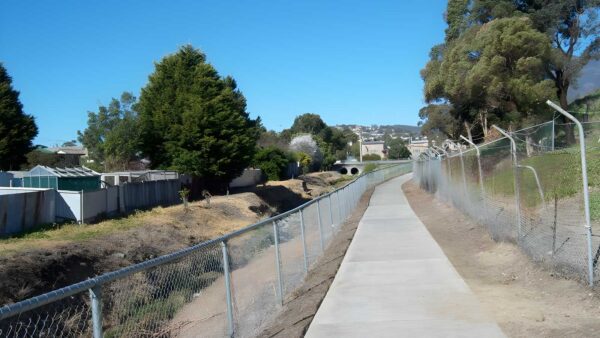

Foreshore, Foothills and Wetlands Around Glenorchy
Overview
Glenorchy sits on the River Derwent about 7 kilometres north of Hobart, with a landscape that shifts from tidal shoreline and wetlands to bushland rising towards the lower slopes of kunanyi / Mount Wellington. Rather than being defined by a single park, the area is shaped by a network of natural places that includes foreshore reserves, creek corridors, hilltop bushland and larger reserves on the edge of the mountain.
That mix gives Glenorchy a different feel from many urban walking areas in southern Tasmania. You are never looking at just one kind of country. In a short distance, the scenery moves from open water and saltmarsh to dry forest, gullies and elevated ridgelines with wide views back across the city and river.
Highlights
The big draw here is the contrast between river country and mountain foothills. Along the Derwent foreshore, reserves include sheltered bays, wetlands, saltmarsh and open shoreline with long views across the water. Inland, bushland reserves behind suburbs such as Berriedale, Montrose and Austins Ferry bring a more rugged character, with native woodland, steeper ground and outlooks towards the Wellington Range.
Several places stand out for scenery alone. Poimena Reserve has broad views over the Derwent and back to the mountain, while Lutana Woodlands Reserve is known for its sweeping outlook over Glenorchy and nearby suburbs. On the municipality’s western side, the quieter Glenorchy approach to Wellington Park adds another layer again, with the mountain forming a constant backdrop above the city.
Best Time to Visit
Spring and autumn are usually the most comfortable times to spend longer outdoors around Glenorchy, with milder temperatures and good clarity for views across the Derwent and towards the mountain. Spring is especially rewarding in the wetter and greener corners of the area, while autumn often brings crisp, clear days that suit exposed lookouts and foreshore walks.
Summer can be very pleasant by the water, particularly along the foreshore, while winter tends to sharpen the contrast between the river flats and the dark slopes above. Even in the cooler months, calm days can make Glenorchy’s wetlands, shoreline and hillside reserves feel strikingly open and spacious.
Plants and Animals
Glenorchy’s natural areas protect a varied patchwork of habitat, including dry forest, creek corridors, wetlands, foreshore vegetation and remnant grassland. That range supports native birds, mammals, reptiles, insects and waterbirds across the municipality.
Some reserves are especially important for wildlife. Gould’s Lagoon is recognised as a key place for waterbirds to rest, feed and breed. Poimena Reserve has recorded more than 70 bird species, while N.R. Pierce Reserve supports native animals including bettongs, bandicoots, Tasmanian devils and wallabies. In Lutana Woodlands Reserve, remnant grassland and other native vegetation add to the sense that these are not just suburban green spaces, but places with real ecological value.
Find more places to explore…
Help expand the trail collection!
Know of an official trail not listed on Trail Hiking Australia? I’m focused on showcasing the best tracks managed by land managers, and I’d love your help! Sharing a trail adds to our community and helps others discover safe, new adventures.
Submit your trail here

