Sorry, no records were found. Please adjust your search criteria and try again.
Sorry, unable to load the Maps API.
Explore stunning hiking trails of Gippsland
Discover the diverse trails of Gippsland, Victoria, offering hikes and walks for all skill levels and interests. Find your perfect adventure today.
Discover 7 hiking trails in Gippsland




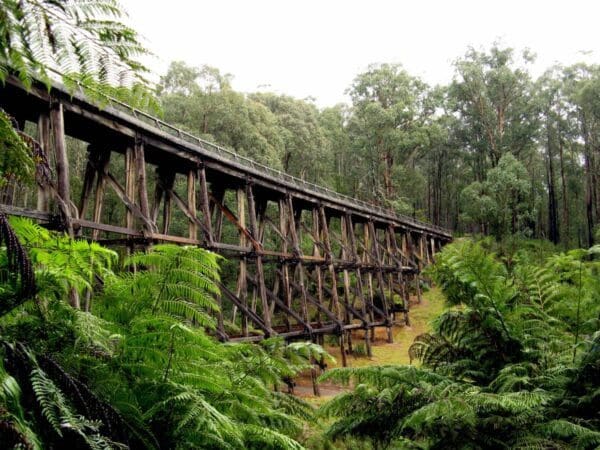

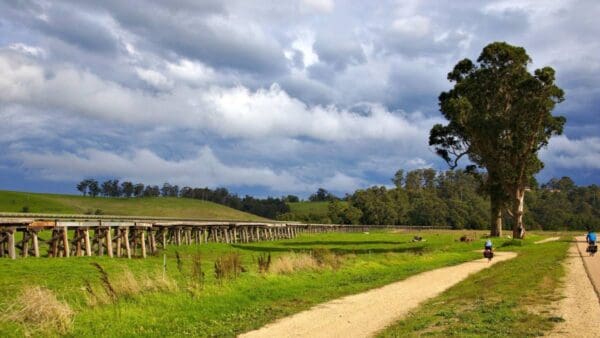


Coast, Rainforest and Alpine Country Across Gippsland
Overview
Gippsland covers a big sweep of eastern Victoria, and its hiking country changes dramatically from one part of the region to the next. Along the coast, there are long barriers of sand, wetlands and calm lake edges around the Gippsland Lakes. Inland, the country rises through forested ranges and river valleys, then reaches the high plateau and alpine areas of Baw Baw. That variety is what gives Gippsland so much character. You can be walking beside Ninety Mile Beach, through cool temperate rainforest in the Strzelecki Ranges, or across snow gum country on the same broader regional map.
For many walkers, Gippsland is also an easy place to picture geographically. Much of the region lies east or south-east of Melbourne, with parks spread from the South Gippsland hills and Strzelecki Ranges through to the lakes and river country around towns such as Sale, Bairnsdale and Lakes Entrance.
Highlights
The natural drawcard here is contrast. The Gippsland Lakes area brings together narrow coastal barriers, dune systems, sheltered lakes, wetlands and sandy islands, creating one of the most distinctive landscapes in Victoria. Around places such as the Lakes and the coastal park, the meeting of fresh water, salt water and shifting sand gives the scenery a broad, open feel that is quite different from the state’s steeper mountain parks.
Elsewhere, Gippsland’s high and forested country changes the mood completely. Tarra-Bulga is known for giant Mountain Ash, ancient myrtle beech and deep fern gullies, while Baw Baw National Park shifts into granite tors, snow gum woodland and alpine plateau country. Mitchell River National Park adds another layer again, with river scenery and rugged gorge country cut into the landscape.
Best Time to Visit
There is no single best season for all of Gippsland because the region spans coast, forest and alpine environments. Spring is one of the most rewarding times across the board, with mild conditions in many lower areas and wildflowers on the Baw Baw Plateau as the snow recedes. Summer suits the lakes and coast, when the open water, beaches and sandy headlands are at their most inviting.
Autumn can be excellent for walking in the forests and river country, with generally cooler, steadier conditions, while winter brings a very different feel to the high country around Baw Baw, where snow and alpine weather shape the landscape.
Plants and Animals
Because Gippsland spans several major environments, its plant life is especially varied. Around the lakes and coast, low-lying woodland, coastal heath, wetlands, dunes and sandy beaches dominate. In the Strzelecki Ranges, cool temperate rainforest supports tree ferns, myrtle beech and towering Mountain Ash. Higher up on the Baw Baw Plateau, snow gum communities and alpine heath take over.
That spread of habitats supports equally varied wildlife. Tarra-Bulga is known for rich birdlife, including lyrebirds and pilotbirds, while the lakes and coastal margins provide important habitat for waterbirds and other species tied to wetlands and shorelines. In parts of the Gippsland Lakes, woodland vegetation includes shining peppermint and saw banksia, and some areas protect locally significant plant species such as ribbed thryptomene.
Culture and Heritage
Parts of Gippsland are jointly managed and have a direct, clearly stated connection with Gunaikurnai Country. In the Gippsland Lakes area, these parks remain part of living culture, and the lakes system has long been a major food source. Within Gippsland Lakes Coastal Park, evidence of long occupation includes midden sites, artefact scatters and scar trees.
In Mitchell River National Park, the park lies on Brabralung Country and holds strong Aboriginal cultural significance. Tarra-Bulga also sits within an important cultural landscape connected to the Gunaikurnai creation storyline. Alongside these continuing cultural connections, some park names in the region also reflect earlier layers of European settlement and reservation history, including Tarra-Bulga’s formal protection in the early twentieth century.
Find more places to explore…
Help expand the trail collection!
Know of an official trail not listed on Trail Hiking Australia? I’m focused on showcasing the best tracks managed by land managers, and I’d love your help! Sharing a trail adds to our community and helps others discover safe, new adventures.
Submit your trail here

