Sorry, no records were found. Please adjust your search criteria and try again.
Sorry, unable to load the Maps API.
Explore stunning hiking trails of Geilston Bay
Discover the diverse trails of Geilston Bay, Tasmania, offering hikes and walks for all skill levels and interests. Find your perfect adventure today.
Discover 4 hiking trails in Geilston Bay
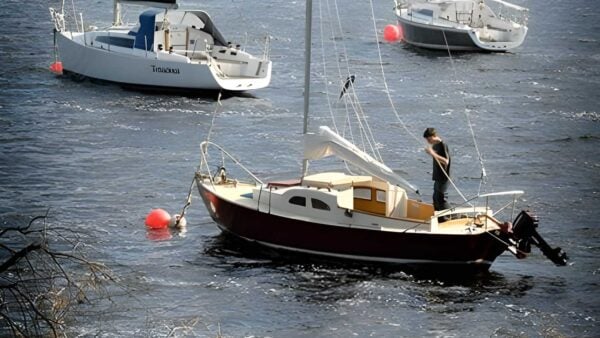

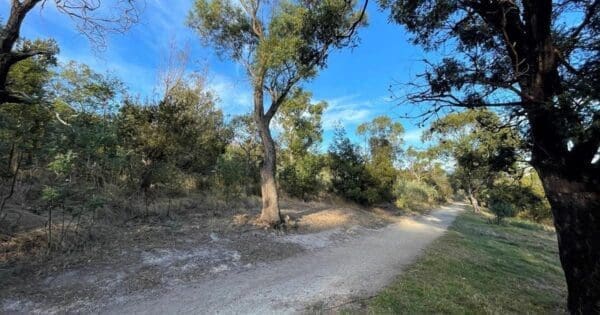
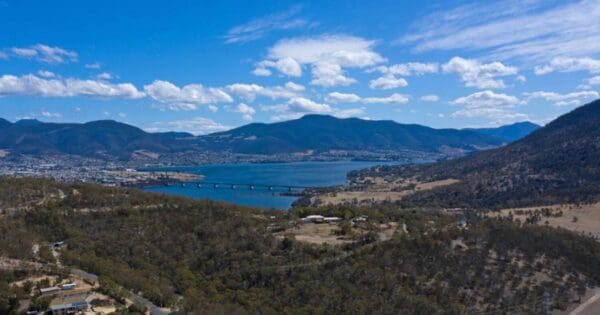

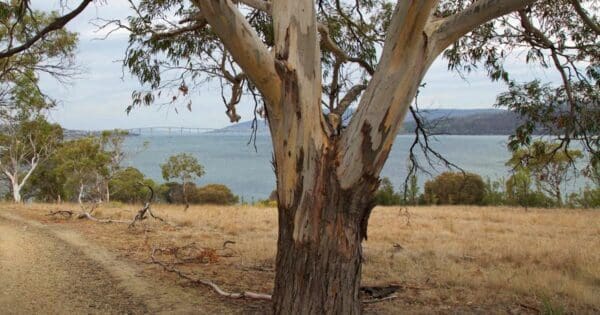
Foreshore and Creek Country at Geilston Bay
Overview
Geilston Bay sits on Hobart’s eastern shore, where the Derwent foreshore meets the lower reaches of Faggs Gully Creek. This part of the bay is defined by that meeting of coastal edge and creekline, with a reserve area that stretches between Koomela Bay and Geilston Bay and continues inland along the riparian corridor. It is close to suburban Lindisfarne, but the setting still feels shaped by water, remnant vegetation and the broader estuarine edge.
The area also plays an important landscape role beyond its local shoreline. Along this section of the Derwent, Geilston Bay forms part of a longer band of vegetation that helps connect bushland, foreshore and nearby hills on Hobart’s eastern side.
Highlights
The main appeal here is the contrast between sheltered foreshore and the greener line of Faggs Gully Creek. Around the bay, the outlook is open and estuarine, with broad water views and a distinct coastal character. Along the creek, the scenery changes to a narrower, more enclosed corridor of gums, sheoak and salt-tolerant vegetation.
Geilston Bay also stands out for the way it contributes to the scenic fringe of the Derwent. From the water and from across the river, this stretch of shoreline reads as part of a continuous vegetated edge rather than a broken suburban waterfront.
Best Time to Visit
Geilston Bay suits different seasons for different reasons. The milder months from spring to autumn are usually the easiest time to enjoy the foreshore character of the bay and the creekside vegetation in comfortable conditions. Spring is especially appealing when the eucalypts and understorey are more active and birdlife is easier to notice.
Because this is an estuarine setting rather than a high-altitude or heavily forested one, it can still be pleasant in winter, particularly on calmer days when the open river outlook is at its clearest.
Plants and Animals
The natural vegetation at Geilston Bay falls into two main parts. Along the foreshore there are remnant patches of sheoak forest, while Faggs Gully Creek supports eucalypts including swamp gum and white gum. Near the Geilston Bay end of the creek, the margins include succulent saline herbfield and pockets of saline sedgeland and rushland dominated by sea rush.
These different habitats support a wider mix of wildlife than the suburban setting might suggest. Mature gum trees with hollows provide potential habitat for birds and mammals, while the creek environment supports aquatic life such as fish, frogs and aquatic invertebrates. The broader reserve network in this area is also valued as habitat for native birds and small mammals, with flowering eucalypts, understorey plants, fallen timber and leaf litter all contributing to that mix.
Culture and Heritage
Geilston Bay has recorded Aboriginal heritage around the foreshore, including middens in the Geilston Bay and Limekiln Point area. The wider area is described as having been occupied in the past by the Mumirimina band of the Oyster Bay tribe, and Faggs Gully Creek may also have been used as an access route between the Meehan Range area and the Derwent.
Find more places to explore…
Help expand the trail collection!
Know of an official trail not listed on Trail Hiking Australia? I’m focused on showcasing the best tracks managed by land managers, and I’d love your help! Sharing a trail adds to our community and helps others discover safe, new adventures.
Submit your trail here

