Sorry, no records were found. Please adjust your search criteria and try again.
Sorry, unable to load the Maps API.
Explore stunning hiking trails of Geeveston
Discover the diverse trails of Geeveston, Tasmania, offering hikes and walks for all skill levels and interests. Find your perfect adventure today.
Discover 2 hiking trails in Geeveston
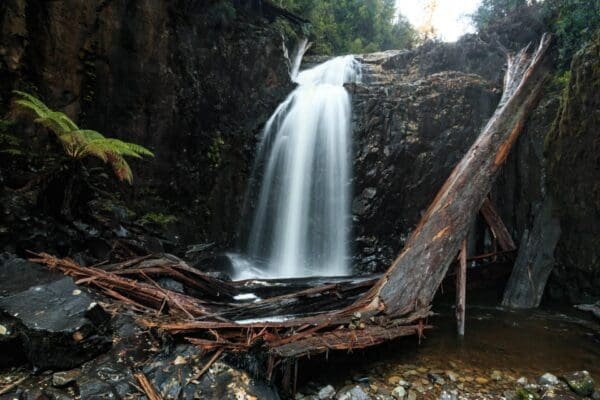

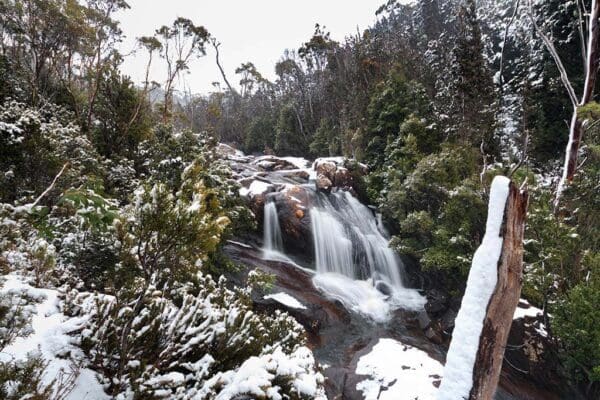

Glacial country above the Huon at Geeveston
Overview
Geeveston sits at the southern end of the Huon Valley, and it is the usual gateway to Hartz Mountains National Park, about 85 km south-west of Hobart and around 21 km from the park itself. The country above town rises into a high dolerite range shaped by ancient ice, with alpine plateaus, small lakes, waterfalls and broad views towards Tasmania’s far south-west. It is also part of the Tasmanian Wilderness World Heritage Area, which gives the landscape a bigger sense of scale than the map suggests.
Highlights
The standout character here is geological. A long backbone of dolerite runs through the range, and past glaciation has left behind cirques, arêtes, horn peaks and glacial troughs. That combination gives the area a rugged, sculpted feel, with tarns and falls tucked into higher country and open mountain outlooks that stretch well beyond the Huon.
The scenery also changes noticeably with altitude. Lower slopes carry tall wet forest and rainforest, then give way to subalpine woodland and alpine vegetation on the higher plains. That shift in vegetation is part of what makes the area around Geeveston feel so varied, even over a relatively compact section of southern Tasmania.
Best Time to Visit
Late spring and early summer are especially rewarding, when alpine wildflowers are out and the red flowers of the Tasmanian waratah stand out against the mountain vegetation. In colder months, snow can settle across the higher country, giving the range a very different look and feel. Outside winter, the clearer conditions often make it easier to appreciate the shape of the glacial landscape and the longer views across the south-west.
Plants and Animals
This is a place of strong ecological contrasts, from wet eucalypt forest and rainforest at lower elevations to subalpine and alpine plant communities higher up. The alpine country is particularly notable for its specialised flora, with plant communities that reflect the cool, exposed conditions of the plateau and ridgelines.
Wildlife is varied as well. Echidnas and platypus may be seen by day, while wallabies, pademelons and brushtail possums are more active towards dusk. The birdlife includes honeyeaters, eastern spinebills and green rosellas, and several frog species are also recorded in the park.
Culture and Heritage
The Hartz Mountains area has ongoing significance for Tasmanian Aboriginal communities. Aboriginal people associated with the Huon area travelled between coast and inland country to use seasonal resources, including shellfish and muttonbirds on the coast, and wallabies and plant foods inland.
European history in the district began with timber-getters searching for Huon pine and routes further west, followed later by eucalyptus oil production from varnished gum. The Hartz Range also became one of Tasmania’s earlier popular bushwalking areas, and was first set aside as a Scenic Reserve in 1939 before becoming a national park.
Find more places to explore…
Help expand the trail collection!
Know of an official trail not listed on Trail Hiking Australia? I’m focused on showcasing the best tracks managed by land managers, and I’d love your help! Sharing a trail adds to our community and helps others discover safe, new adventures.
Submit your trail here

