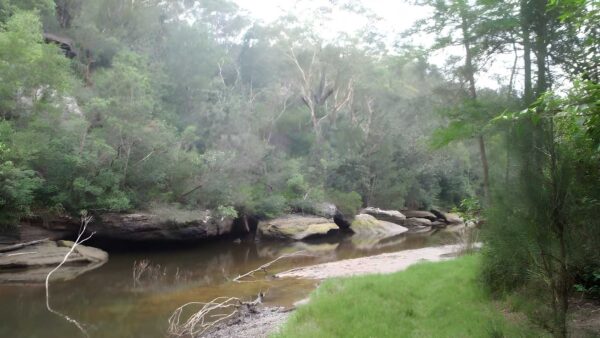
Sandstone gullies and harbour bushland close to Sydney
Overview
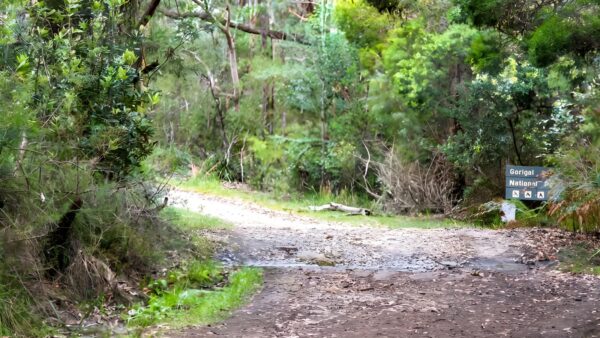
Garigal National Park protects more than 2,000 hectares of bushland across northern Sydney, following the valley of Middle Harbour Creek and its tributaries, stretching to Bantry Bay and into part of the Narrabeen Lakes catchment. It begins about 12km north of central Sydney, yet it feels surprisingly removed from the city once you are down among the creeks, ridgelines and sheltered gullies.
This is a park shaped by sandstone country. The landscape mixes steep valleys, rocky slopes, creek flats and foreshore bushland, with water never far away. That combination gives Garigal a very Sydney character, where dense native vegetation, sheltered waterways and exposed ridges all sit within a relatively compact area.
Highlights
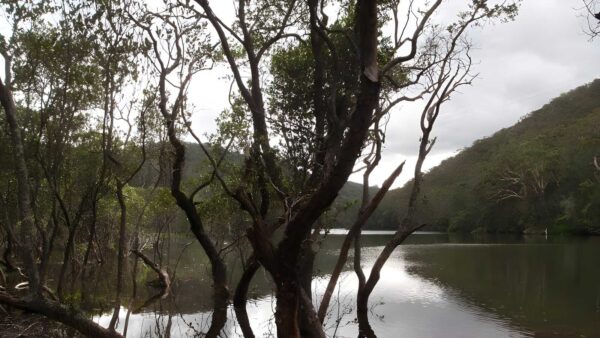
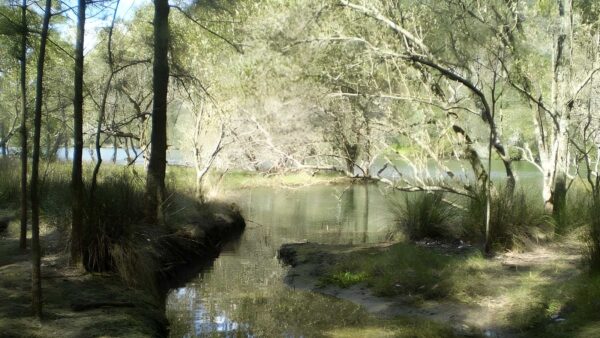
The standout feature here is the contrast between enclosed bushland and water views. Middle Harbour Creek winds through the park, while Bantry Bay brings in a quieter harbour landscape of narrow inlets, steep forested foreshores and still water backed by dense bush.
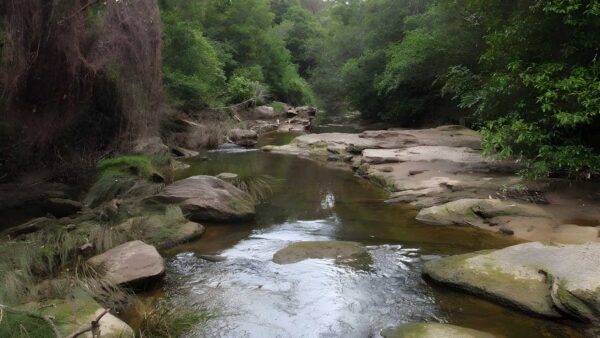
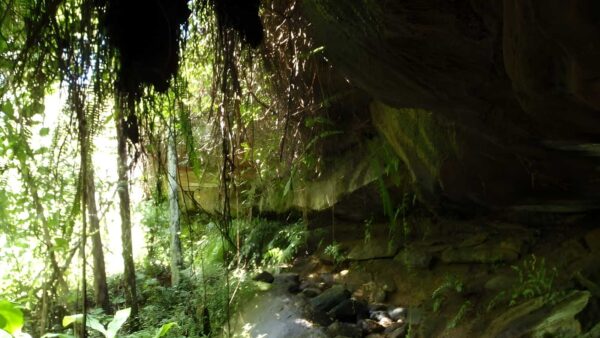
Garigal’s sandstone terrain gives the park much of its visual identity, from rocky outcrops and overhangs to gullies that hold pockets of shade and small cascades after rain. In the southern part of the park, the scenery around upper Middle Harbour has a distinctly sheltered, almost hidden feel, while the ridges above it open out to broader views over bush and water.
Best Time to Visit
Garigal is worth visiting year round, but the most pleasant times are usually autumn through spring, when the weather is milder and the bush is often at its best for longer days out. Spring is especially rewarding if you enjoy wildflowers, with heath and forest edges bringing seasonal colour to the sandstone country.
After periods of rain, the creeks, small waterfalls and sheltered gullies tend to feel more alive and lush. In the warmer months, the combination of exposed ridges and enclosed valleys can make some parts of the park feel hotter and more humid than you might expect this close to the coast.
Plants and Animals
Garigal forms part of an important wildlife corridor linking Sydney Harbour with bushland extending west toward the Blue Mountains. That makes it an important refuge for native species within metropolitan Sydney, including threatened animals such as the southern brown bandicoot, tiger quoll, broad-headed snake and red-crowned toadlet.
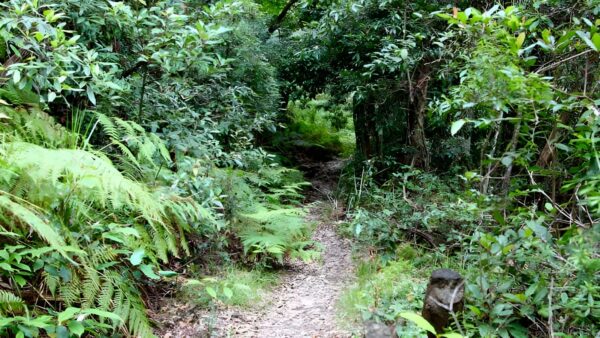
The park supports a wide variety of vegetation, with coastal and estuarine influences in some areas and eucalypt forest and heathland in others. Commonly noted plants include old man banksia, scribbly gum and grass trees, all well suited to the park’s dry sandstone soils and ridges.
Culture and Heritage
Garigal National Park has a long Aboriginal history, with Aboriginal people connected to this country for thousands of years. More than 100 Aboriginal sites have been recorded in the park, including cave art, rock engravings, shelters, middens and grinding grooves, showing how deeply the landscape has been used and known over time.
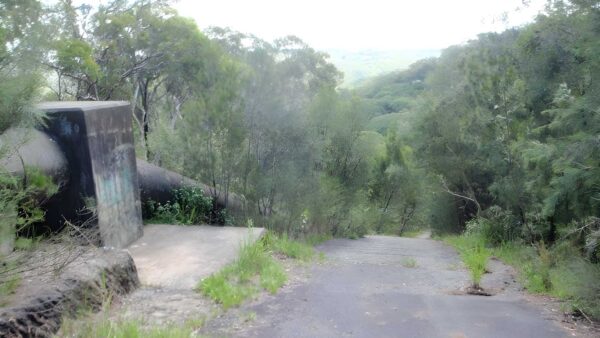
The park also holds important historic places from the colonial period, including Bungaroo and the Bantry Bay explosives magazine complex. These sites sit within the bushland and waterways rather than apart from them, and they add another layer to a landscape that has been shaped by both cultural history and natural processes.