Sorry, no records were found. Please adjust your search criteria and try again.
Sorry, unable to load the Maps API.
Explore stunning hiking trails of Elliot Heads
Discover the diverse trails of Elliot Heads, Queensland, offering hikes and walks for all skill levels and interests. Find your perfect adventure today.
Discover 1 hiking trail in Elliot Heads
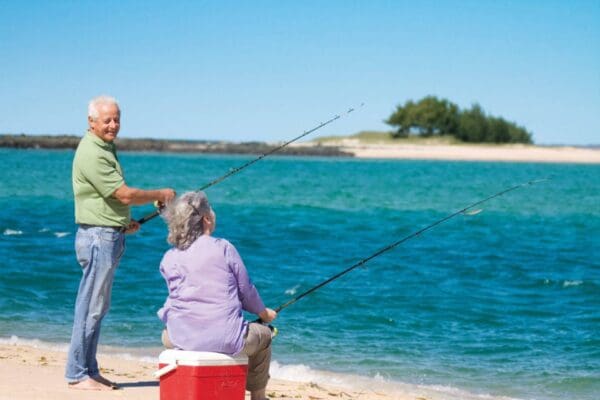

Where the Elliott River Meets the Coral Sea
Overview
Elliott Heads is a small coastal locality at the mouth of the Elliott River, south-east of Bundaberg on the Wide Bay coast of Queensland. The place is defined by that meeting of river and sea, with an open beach on one side and the sheltered river edge on the other, giving it a different feel from the straight surf beaches further north and south.
The foreshore and adjoining public open space are managed by Bundaberg Regional Council, and the wider locality includes a mix of settled coastal land, river frontage and open shoreline. For walkers, the setting is less about a single landmark and more about the changing coastal edge, where tides, sand movement and broad water views shape the whole character of the place.
Highlights
The standout feature here is the river mouth itself. Elliott Heads sits where the Elliott River opens into the Coral Sea, creating a landscape of beach, inlet and low foreshore that changes noticeably with the tide. That mix gives the coastline a broad, open look, with long views over the water and a strong sense of exposure to both river and ocean.
There is also a rocky element to parts of the foreshore, which adds texture to a shoreline otherwise known for sand and open water. The setting feels distinctly coastal, but softer and more varied than a simple surf beach because the river mouth breaks up the coastline and creates calmer edges alongside the sea-facing shore.
Best Time to Visit
The most comfortable months for walking are usually the cooler, drier stretch from autumn through spring, when the humidity is lower and the coast is generally clearer and easier to enjoy for longer periods. Because Elliott Heads is so shaped by the meeting of river and sea, the place also looks quite different through the tide cycle, with shifting channels, exposed sand and changing water colour all part of the experience.
If you want to appreciate the scenery rather than simply pass through it, this is a place where timing matters. Early morning and later afternoon tend to bring softer light across the water and make the contrast between the river, beach and rocky foreshore easier to pick out.
Plants and Animals
Elliott Heads is part of a coast where dune and foreshore planting plays an important role in holding the shoreline together, and the local foreshore has been reinforced with thousands of new trees and plants as part of ongoing landscape works. Even in a developed seaside setting, those coastal plantings help keep the edge of the beach looking and functioning like a living coastal system rather than a stripped-back urban frontage.
Birdlife is one of the more distinctive natural features here. The Elliott Heads area includes habitat used by local and migratory shorebirds, with nearby Dr May’s Island recognised as an important nesting and roosting site. That gives the surrounding beach and estuary a strong wildlife dimension, especially at quieter times when birds are feeding along the tidal margins.
Find more places to explore…
Help expand the trail collection!
Know of an official trail not listed on Trail Hiking Australia? I’m focused on showcasing the best tracks managed by land managers, and I’d love your help! Sharing a trail adds to our community and helps others discover safe, new adventures.
Submit your trail here

