Ridges, Bay Edges and Bushland Around East Gosford
Overview
East Gosford sits on the eastern side of Gosford on the Central Coast, about an hour north of Sydney, where suburban streets meet larger pockets of public reserve and bushland. The best-known natural area tied directly to East Gosford is the eastern side of Rumbalara Reserve, while Caroline Bay adds a quieter waterfront edge to the suburb. Together they give the area a mix of steep bush-clad slopes, sheltered gullies and bayside open space that feels surprisingly close to town.
Highlights
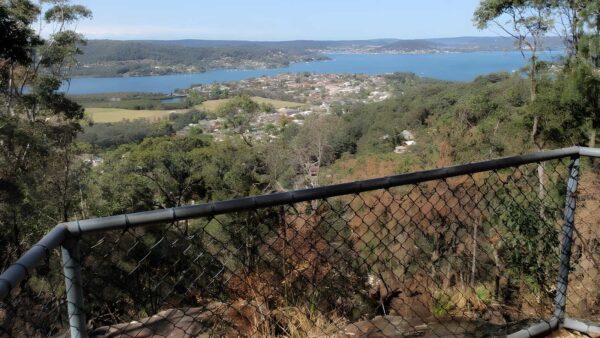
The big scenic feature here is the rise of Rumbalara Reserve above the built-up areas of Gosford and East Gosford. From the East Gosford side, the landscape is defined by ridgelines and bushland that form a green backdrop to the urban centre, with Yaruga Lookout providing one of the named vantage points in this section of the reserve.
Closer to the water, Caroline Bay brings a softer, lower-lying contrast to the ridges behind it. That combination of elevated bushland and calm bay frontage is what gives East Gosford its distinct character compared with many other Central Coast suburbs.
Best Time to Visit
East Gosford’s reserves are worth visiting year round, but the most comfortable months are usually the milder parts of the year, from autumn through spring, when the bushland is easier to enjoy without the heavier heat of summer. Spring is especially good if you want to see fresh growth and flowering in the sandstone bushland, while winter often brings clear conditions that suit lookout views across the district.
Plants and Animals
The bushland around East Gosford reflects the wider sandstone country of this part of the Central Coast. Dry open forest is common, with moist open forest and pockets of gully rainforest in more sheltered spots. In the protected gullies, ferns, shrubs, climbers and epiphytic ferns become more prominent, giving those areas a denser, cooler feel than the drier slopes above.
These reserves still support native fauna, particularly where mature trees, fallen timber, leaf litter and connected vegetation provide habitat. Hollow-bearing trees are especially important because they support animals that depend on them for roosting and breeding.
Culture and Heritage
Aboriginal sites are recorded within council-managed natural areas in this district, and some places are not publicly mapped because of their cultural sensitivity and significance.