Rainforest and Escarpment on the Edge of the Dorrigo Plateau
Overview
Dorrigo National Park sits on the eastern edge of the Dorrigo Plateau in northern New South Wales, near the town of Dorrigo. It protects a large and remarkably varied slice of the escarpment, where high, cool plateau country drops into sheltered valleys and gorge country. A large part of the park is included in the Gondwana Rainforests of Australia World Heritage Area, recognising the global significance of its ancient rainforest landscapes.
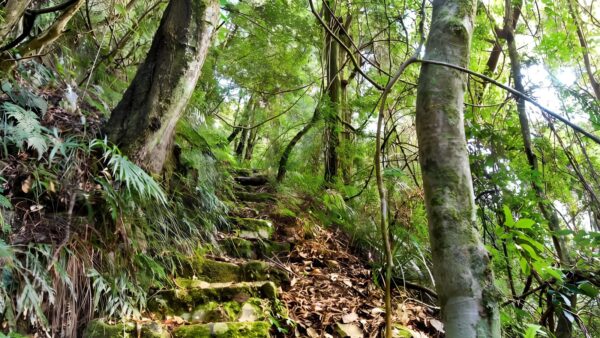
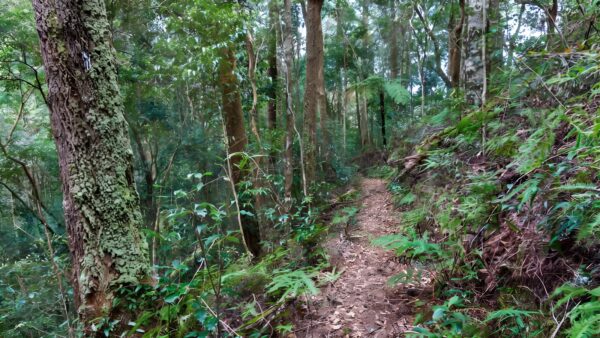
What makes the park especially distinctive is that mix of landforms and forest types in a relatively compact area. There are cool temperate, warm temperate, subtropical and dry rainforests here, along with wet and dry eucalypt forest, all shaped by elevation, moisture and the long geological history of the plateau edge.
Highlights
The big drawcard here is the escarpment itself. Dorrigo National Park preserves clear evidence of successive lava flows from the Ebor Volcano, and the erosion that pushed the plateau edge westward over time to form the steep, dramatic country seen today. That geology gives the park its strong sense of depth and relief, with misty uplands giving way to deeply cut valleys and gorge systems.
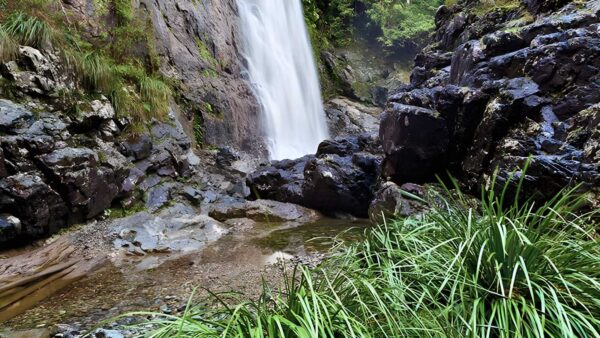
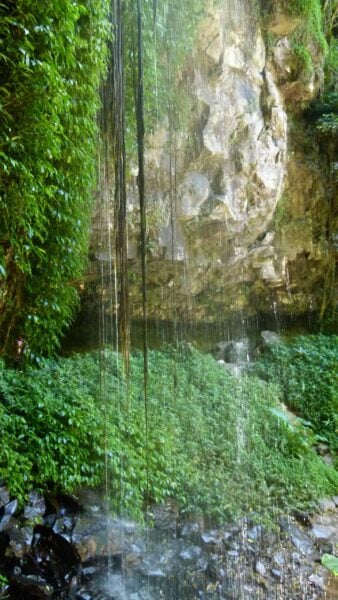
Water is a big part of the park’s character too. Spectacular waterfalls spill off the plateau edge, and the contrast between elevated rainforest and warmer, lower country adds to the feeling that the landscape changes quickly as it falls toward the coast.
Best Time to Visit
Dorrigo National Park can be rewarding at any time of year, but it tends to feel at its best when the escarpment is green, damp and full of cloud and mist. The park lies within a high-rainfall belt, and that moisture is part of what maintains its rainforest character. Cooler months often suit visitors who want crisp air and clearer conditions on the plateau, while wetter periods can make the forest and waterfalls feel especially alive.
Plants and Animals
This is one of the park’s great strengths. More than 585 plant species have been recorded across Dorrigo and the adjoining parks covered by the same management plan, including 15 threatened plant species. In Dorrigo itself, the rainforest communities are widespread and in generally good condition, which makes the park especially important for biodiversity conservation.
The park protects excellent examples of cool temperate rainforest with Antarctic beech, as well as warm temperate, subtropical and dry rainforest. It also supports a rich birdlife and a broad range of animals associated with these forests. Among the species regularly noted in the park are red-necked pademelons, wompoo fruit-doves and regent bowerbirds, and the wider World Heritage area is recognised for its strong representation of ancient songbird lineages.
Culture and Heritage
Dorrigo National Park is in the traditional Country of the Gumbaynggirr people and forms part of a broader Gumbaynggirr cultural landscape. The park also carries Gumbaynggirr language in its naming, with Dorrigo believed to derive from Dun Durriga, a word linked to the tallowwood trees that grow in the area.
Specific places within the park hold cultural meaning. McGraths Hump, known as Old Man Dreaming, features in a Dreamtime story of a young boy who was left sleeping and became an old man, with the waterfalls in the area understood as his tears.