Sorry, no records were found. Please adjust your search criteria and try again.
Sorry, unable to load the Maps API.
Explore stunning hiking trails of Deua National Park
Discover the diverse trails of Deua National Park, New South Wales, offering hikes and walks for all skill levels and interests. Find your perfect adventure today.
Discover 1 hiking trail in Deua National Park
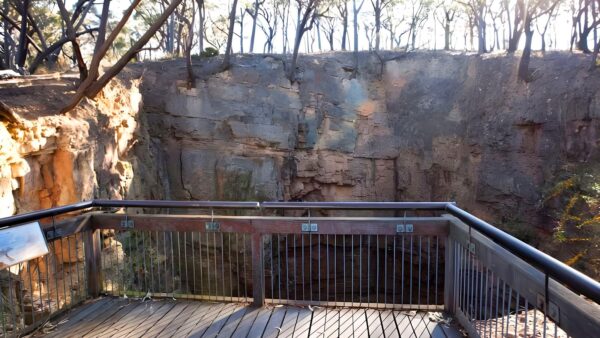

Karst country, deep river valleys and the high ridges of Deua
Overview
Deua National Park spreads across a large inland section of the far south coast hinterland, between Braidwood, Moruya and Cooma. It is a rugged park of rocky ranges, steep slopes and river-cut valleys, shaped by the Deua River system and the uplifted country around it. The result is a landscape that feels varied and spacious, with high ridges, creek lines and more sheltered pockets changing the character of the bush from one part of the park to the next.
The scenic character comes from that contrast. There are broad escarpment views in some areas, while elsewhere the country closes in around gullies, forested slopes and limestone features. Deua is one of those parks where the geology is never far from the surface, and it gives the whole place a strong sense of form and texture.
Highlights
What stands out most in Deua National Park is its mix of escarpment country, river valleys and limestone landforms. The park is well known for dramatic natural features including The Big Hole and Marble Arch, but even beyond those better known spots the wider landscape is defined by ridgelines, creek-cut gorges and a strong north-south grain in the terrain.
Water has shaped much of what people notice here. Creeks and rivers drain toward the Deua River through steep-sided country, and that creates a sequence of lookouts, enclosed valleys and folded hills rather than one single dominant feature. It gives the park a sense of depth that is just as memorable as any individual landmark.
Best Time to Visit
Spring is a particularly rewarding time to be in Deua National Park, when flowering plants bring more colour to the bush and birdlife is especially active. The park also sits across a mix of elevations and sheltered gullies, so conditions can feel quite different from one area to another through the year.
Autumn and the milder parts of the year generally suit people who want clearer, cooler walking weather. In summer, the river and creek country can be appealing, while winter often brings crisper conditions on the higher country.
Plants and Animals
Deua’s surrounding catchment parks give a good sense of the vegetation patterns in this part of the landscape, with tall wet eucalypt forest on sheltered slopes, drier open forest on more exposed country, and small patches of dry rainforest in moist gullies. Old-growth forest remains an important part of the area, especially because large hollow-bearing trees and other mature forest features provide habitat that younger forest cannot replace.
The broader area supports threatened plants and animals, and the vegetation includes communities with high conservation value. In nearby parts of the same landscape these include Araluen Scarp Grassy Forest, Grey Myrtle Dry Rainforest and Temperate Dry Rainforest, along with species such as the vulnerable Araluen gum and habitat managed for animals including the gang-gang cockatoo. That mix of wet gullies, ridges and older forest helps explain why the park feels so botanically varied.
Culture and Heritage
Deua National Park lies within the traditional Country of the Yuin People, who have close cultural connections with the land in and around the park. The Deua River catchment has long been associated with cultural activities including fishing and camping, and with travelling routes linking the coast, escarpment, tablelands and high country.
Those connections are part of a wider cultural landscape in which land, water, plants and animals are tied to identity, knowledge and care for Country. While further survey work continues to build the picture of places within the park itself, the cultural significance of the Deua catchment is clear.
Find more places to explore…
Help expand the trail collection!
Know of an official trail not listed on Trail Hiking Australia? I’m focused on showcasing the best tracks managed by land managers, and I’d love your help! Sharing a trail adds to our community and helps others discover safe, new adventures.
Submit your trail here