Sorry, no records were found. Please adjust your search criteria and try again.
Sorry, unable to load the Maps API.
Explore stunning hiking trails of Derwent Valley
Discover the diverse trails of Derwent Valley, Tasmania, offering hikes and walks for all skill levels and interests. Find your perfect adventure today.
Discover 3 hiking trails in Derwent Valley
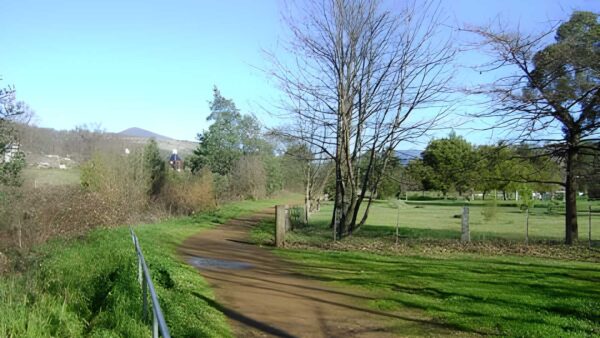

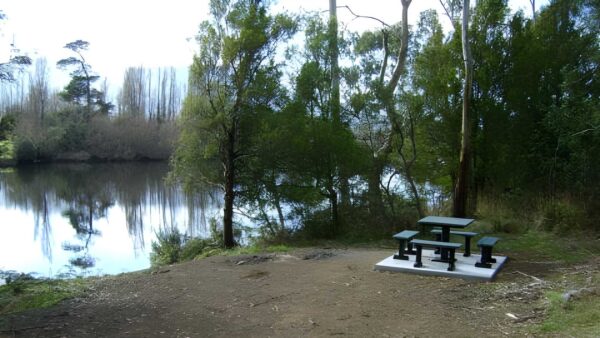
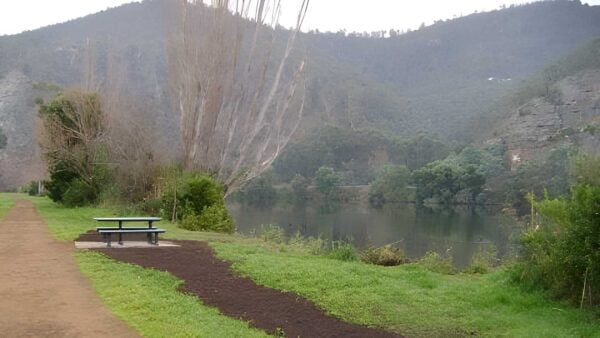
Rainforest Valleys, Tall Eucalypts and the River Country of Derwent Valley
Overview
Derwent Valley sits inland from Hobart on the River Derwent, with New Norfolk as its main town and a landscape that shifts from broad river flats to forested valleys, mountain country and large reserved areas. More than 60 per cent of the municipality is held in reserves or parks, which gives the region a very different feel from Tasmania’s more settled farming districts.
What stands out here is the contrast. Around the river and lower valley you get open country, productive land and historic townships, while further west the country rises into wetter and more rugged terrain around places like Mount Field, the Florentine and the Styx. That change in elevation and rainfall is what gives Derwent Valley such a wide range of scenery within a relatively compact part of southern Tasmania.
Highlights
The valley is framed by the River Derwent and backed by a mix of mountain ranges, deep forest and high country, so the scenery changes quickly as you move through it. In the western part of the region, the Florentine River Regional Reserve is known for dense cool temperate rainforest, limestone outcrops, rocky crags and views from higher points such as Tim Shea across surrounding ranges and valleys.
Elsewhere in the valley, the natural character comes from tall wet forests, river edges and the steady transition from settled lowlands to more remote uplands. This is one of those Tasmanian regions where broad scenic impressions matter as much as any single landmark: long river bends, heavily timbered slopes and mountain backdrops that become more pronounced the further west you go.
Best Time to Visit
Derwent Valley can be visited year round, but the most comfortable times for general walking are usually spring through autumn, when longer daylight and milder conditions make it easier to enjoy both the river country and the higher forested areas. Seasonal contrast is part of the appeal here, especially as the western side of the valley tends to feel cooler, wetter and greener than the lower country closer to Hobart.
Winter can be especially atmospheric in the high country and rainforest sections, with snow visible on surrounding peaks in colder periods, while the lower valley is often drier and more open. If you want a sense of the place at its greenest, the wetter months suit the forested western valleys particularly well.
Plants and Animals
The municipality spans several very different environments, from river flats and wetlands to rainforest and tall eucalypt forest. In the Florentine, the valley floor carries cool temperate rainforest with sassafras, leatherwood, ferns, mosses and lichens, while giant ash rises above the canopy and can exceed 85 metres in height. In the Styx area, the forests are similarly noted for very large eucalypts and wet forest communities.
Wildlife reflects that mix of habitats. Old forest in the western valleys provides habitat for species including grey goshawks, Tasmanian wedge-tailed eagles and spotted-tailed quolls, while wetland country closer to the Derwent supports birdlife of a different kind. At Murphys Flat, the reserve protects a substantial part of the remaining wetlands along the river and forms an important bird site within the lower valley.
Culture and Heritage
In the Florentine Valley, there is clear evidence of Tasmanian Aboriginal occupation extending back more than 30,000 years. Across the wider Derwent Valley municipality, Aboriginal connection to country is also directly recognised, including the Linawina people around New Norfolk and the Big River People across the broader valley and Central Highlands country.
European history is also deeply visible in the district, especially around New Norfolk and the older settlements of the valley, but it is the long Aboriginal presence and the enduring importance of river and inland country that give the place its deepest historical context.
Find more places to explore…
Help expand the trail collection!
Know of an official trail not listed on Trail Hiking Australia? I’m focused on showcasing the best tracks managed by land managers, and I’d love your help! Sharing a trail adds to our community and helps others discover safe, new adventures.
Submit your trail here

