Sorry, no records were found. Please adjust your search criteria and try again.
Sorry, unable to load the Maps API.
Explore stunning hiking trails of Crowdy Bay National Park
Discover the diverse trails of Crowdy Bay National Park, New South Wales, offering hikes and walks for all skill levels and interests. Find your perfect adventure today.
Discover 5 hiking trails in Crowdy Bay National Park
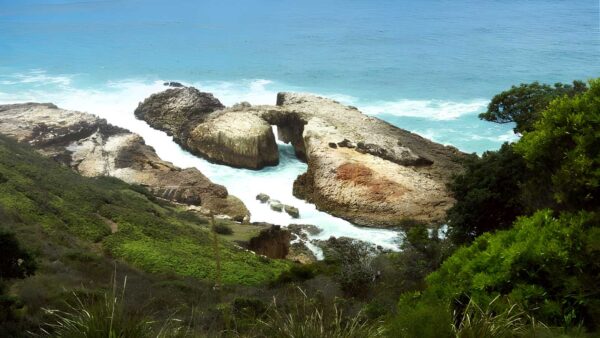

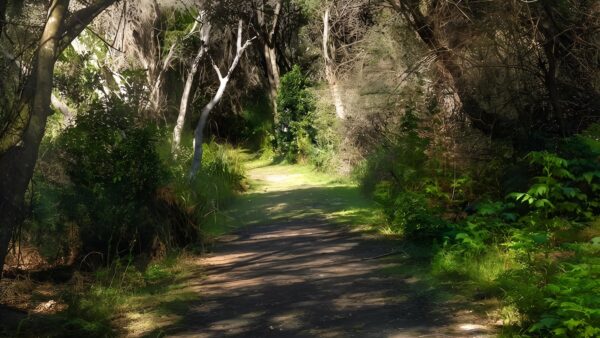
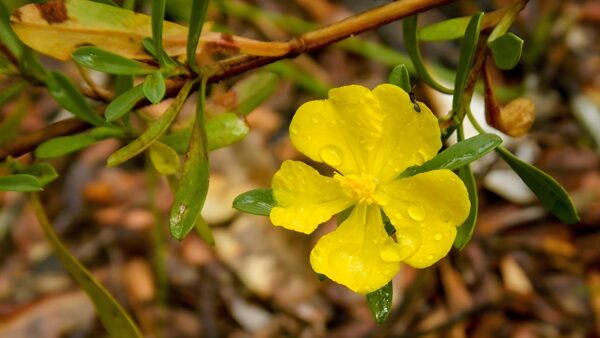
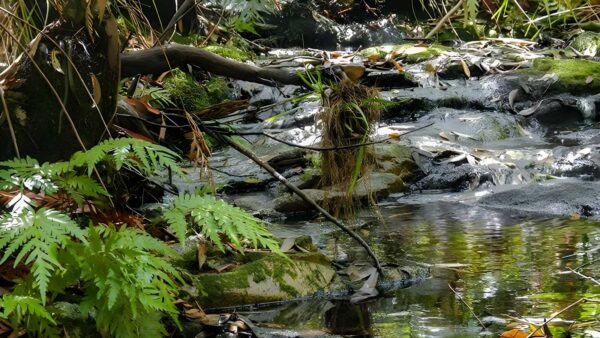

Headlands, Heath and Long Empty Beaches at Crowdy Bay
Overview
Crowdy Bay National Park stretches along the mid-north coast of New South Wales, about 25 kilometres north-east of Taree, between the Harrington and Laurieton area. It is a coastal park shaped by long beaches, headlands, lagoons and low heath country, with 19 kilometres of coastline and frontage to Watson Taylors Lake. Diamond Head is the landmark most people remember, but the park’s character comes just as much from the contrast between open shore, wetland edges and quieter inland pockets.
This is a place where the scenery feels broad and wind-shaped. Ocean beaches run for long distances, dunes roll back from the shore, and the landscape shifts from exposed coastal country to wetter, more sheltered ground around the lake and lagoons.
Highlights
The standout feature is Diamond Head, a rocky coastal headland that gives the park one of its strongest natural identities. Around it, the scenery changes quickly from glinting rock faces and sea views to broad white-sand beaches, tucked-away coves and high points looking along the coast.
Elsewhere, Crowdy Bay’s appeal lies in the scale of its shoreline and the mix of landforms packed into one stretch of coast. Dunbogan Beach and Crowdy Beach are the two long ocean beaches named in the park’s management plan, and the combination of beaches, headlands, lagoons and heath plains gives the whole park a wide-open feel.
Best Time to Visit
Spring is one of the nicest times to be here, when wildflowers bring colour through the dunes and heath. Summer suits people who want to see the park in its brightest coastal mood, and Christmas bells are a noted seasonal feature at that time of year.
Winter has its own drawcard, with migrating whales passing the coast, while the cooler conditions also make the more exposed parts of the park feel gentler than they do in hotter months. Across the year, Crowdy Bay has a warm subtropical climate.
Plants and Animals
Crowdy Bay protects coastal, wetland and heathland environments, and that mix shows up clearly in the wildlife and plant life. Lagoons attract migratory birds, birds of prey are often seen over the coast, and the park is known for animals such as kangaroos, koalas and lace monitors.
Among the more distinctive species recorded here are white-bellied sea eagles, along with plants such as grass trees and black sheoak. Seasonal colour is part of the experience too, especially when heathland wildflowers appear in spring and Christmas bells flower in the warmer months.
Culture and Heritage
The Birpai People have a long and continuing connection with Crowdy Bay National Park. Headlands, beaches, dunes, river areas and forest country within the park have been used for thousands of years, and the park protects Aboriginal sites including shell middens and campsites, with some dating back about 6,000 years.
Crowdy Bay also holds a more recent cultural story at Kylies Hut. During World War II, author Kylie Tennant used the hut at Diamond Head as a writer’s retreat, and later donated the hut and surrounding land to the park in 1976.
Find more places to explore…
Help expand the trail collection!
Know of an official trail not listed on Trail Hiking Australia? I’m focused on showcasing the best tracks managed by land managers, and I’d love your help! Sharing a trail adds to our community and helps others discover safe, new adventures.
Submit your trail here