Sorry, no records were found. Please adjust your search criteria and try again.
Sorry, unable to load the Maps API.
Explore stunning hiking trails of Cronulla Peninsula
Discover the diverse trails of Cronulla Peninsula, New South Wales, offering hikes and walks for all skill levels and interests. Find your perfect adventure today.
Discover 2 hiking trails in Cronulla Peninsula

Where Ocean Beaches Meet Botany Bay Wetlands
Overview
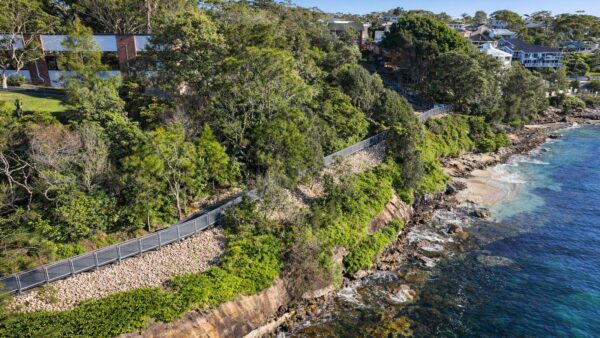
Cronulla Peninsula sits in southern Sydney, about 16 kilometres from the city centre, with open surf beaches on one side and the sheltered waters of Botany Bay, Gunnamatta Bay and Port Hacking around its edges. What makes this part of Sydney distinctive is that it brings together very different coastal settings in a relatively small area, from long sandy ocean frontage and remnant dune country to the wetland systems around nearby Towra Point and the headland landscapes of Kurnell.
The peninsula is also a useful place to understand the broader shape of this coastline. Towra Point forms part of the southern shore of Botany Bay on the Kurnell Peninsula, while the Kurnell area marks the bay’s southern headland near Cronulla, giving the area a mix of exposed sea cliffs, heathland and quieter estuarine water.
Highlights
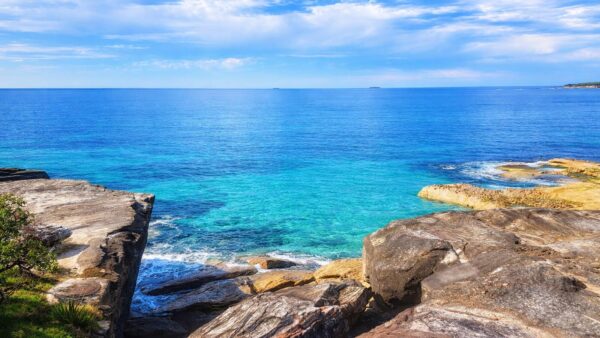
The big scenic contrast is the real draw here. Along the ocean side, Cronulla is known for its long run of sandy beach and the surviving Cronulla dune landscape at Wanda, which remains a strong visual landmark in an area that was once dominated by a much larger dune system. On the Kurnell headland, the scenery shifts again to coastal heath and cliffs with wide views over the Pacific and back towards Botany Bay.
On the bay side, the landscape becomes lower, flatter and more intricate. Towra Point is the largest and most diverse estuarine wetland complex remaining in the Sydney region, made up of mudflats, freshwater wetlands, mangroves, saltmarsh and seagrass beds. That gives this part of the peninsula a very different feel from the surf coast, with broad tidal flats and quiet inlets rather than open beach.
Best Time to Visit
Spring is one of the most rewarding times to spend time around Cronulla Peninsula, especially on the Kurnell headland where coastal heathland is at its best and offshore whale watching is a seasonal feature. The warmer months also suit the peninsula’s beach and headland scenery, while the calmer, cooler parts of the year can be excellent for appreciating the bay side wetlands and wider water views without the intensity of summer.
Because this area includes both exposed ocean frontage and sheltered wetland edges, it stays interesting across the year. Conditions can feel quite different between the surf beaches, the headlands and the bay margins, so the best season often comes down to whether you are more drawn to wildflower season, ocean outlooks or wetland birdlife.
Plants and Animals
The plant communities around Cronulla Peninsula change sharply from one side of the landscape to the other. Around Kurnell, coastal heathland is a defining part of the headland environment. Around Towra Point, the vegetation shifts to mangroves, saltmarsh, freshwater wetlands and seagrass beds, which support one of the most important wetland habitats left in the Sydney region.
Birdlife is a major part of the peninsula’s character, especially around Towra Point. The wetlands provide breeding, feeding and roosting habitat for threatened and migratory birds, and the reserve is recognised internationally for its wetland values. The broader dune country around Cronulla and Kurnell also supports habitat linked with the endangered green and golden bell frog.
The coastal contrasts are part of what makes wildlife here so varied. In a short distance, the landscape moves from surf beach and dunes to heath, tidal flats and shallow seagrass, and each of those environments supports a different set of species.
Culture and Heritage
The Kurnell headland on the peninsula’s northern side is one of the most historically significant coastal places in New South Wales and forms part of a National Heritage listed landscape. In the wider peninsula area, the Cronulla Sand Dune and Wanda Beach Coastal Landscape is also recognised for its historic and cultural significance, including its significance to the Aboriginal community and its importance as a surviving remnant of the former dune system that once shaped this coast.
Find more places to explore…
Help expand the trail collection!
Know of an official trail not listed on Trail Hiking Australia? I’m focused on showcasing the best tracks managed by land managers, and I’d love your help! Sharing a trail adds to our community and helps others discover safe, new adventures.
Submit your trail here

