Sorry, no records were found. Please adjust your search criteria and try again.
Sorry, unable to load the Maps API.
Explore stunning hiking trails of Copeland Tops State Conservation Area
Discover the diverse trails of Copeland Tops State Conservation Area, New South Wales, offering hikes and walks for all skill levels and interests. Find your perfect adventure today.
Discover 2 hiking trails in Copeland Tops State Conservation Area
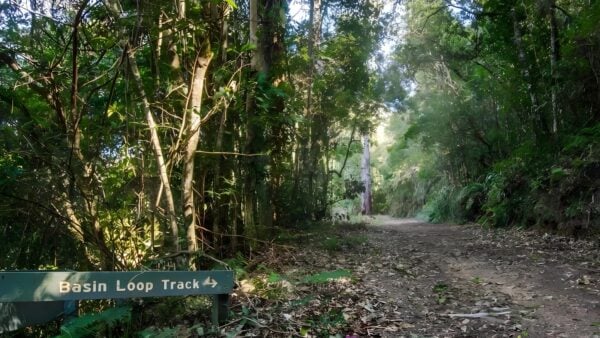

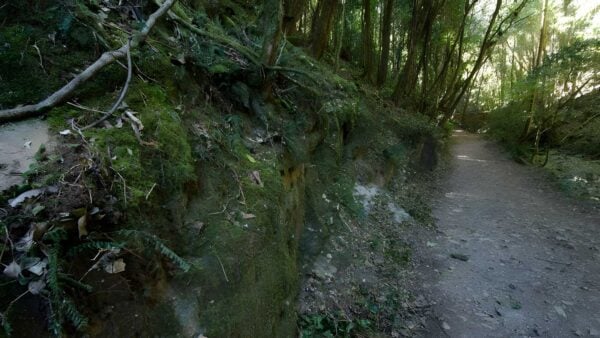
Rainforest Gullies and Goldfield Country at Copeland Tops
Overview
Copeland Tops State Conservation Area sits west of the village of Copeland, about 18 kilometres from Gloucester, in the foothills behind the Mid North Coast. It protects a compact but varied landscape where tall eucalypt forest gives way to sheltered gullies of subtropical and dry rainforest, with creeks and steep slopes shaping much of the country.
What makes the place distinctive is that mix of forest types in a relatively small area. Regrowth forest from earlier timber cutting and mining now surrounds pockets of rainforest, including lowland rainforest communities that survive in the moister parts of the park.
Highlights
The strongest impression here is of layered forest country rather than one single landmark. Upper ridges carry open eucalypt forest, while the gullies are thicker, darker and more humid, with figs, red cedar and other rainforest species creating a noticeably different atmosphere as the ground drops away.
Copeland Creek basin is especially important for its dry rainforest, and the area as a whole holds the largest and most accessible stretch of this vegetation in the Gloucester district. That contrast between open ridge country and enclosed creek lines gives Copeland Tops much of its scenic character.
Best Time to Visit
Summer and autumn are the busiest times here, which makes sense in a park where shade, creek gullies and dense forest are a big part of the experience. After rain, the rainforest sections tend to feel at their richest, with the gullies greener and more humid.
Cooler months can also be a good time if you prefer clearer air and milder walking weather. This is not really a place built around a single seasonal event, so the best time often comes down to whether you want lush forest conditions or cooler temperatures.
Plants and Animals
Most of the park is tall open eucalypt forest dominated by grey gum, with endangered Craven grey box on the upper ridges and dry sclerophyll species such as white mahogany, forest red gum, rough-barked apple and forest oak in the west. In the moister gullies, subtropical rainforest includes Moreton Bay fig, giant stinging tree, red carabeen, white cedar and red cedar. The park also protects endangered lowland rainforest where it occurs below 600 metres, along with one of the larger known stands of red cedar in the region.
That spread of habitats supports a strong mix of native fauna, including threatened species such as koala, spotted-tailed quoll, long-nosed potoroo, greater glider and yellow-bellied glider. Birdlife includes glossy black-cockatoo, powerful owl, sooty owl, wompoo fruit-dove and superb fruit-dove, while the park also provides habitat for species such as the stuttering frog and Stephens’ banded snake.
Culture and Heritage
Copeland Tops lies within the traditional Country of the Worimi and Biripi peoples, and within the Gathang language group. The landscape remains part of an ongoing connection with Country, with land, water, plants and animals all tied to cultural knowledge, identity and family relationships. Plant species in the park are also known or likely to have been used for food and medicine.
The area also carries a strong goldmining history centred on the Mountain Maid Mine precinct. Goldmining began there in 1876 and continued until the last mining licence ended in 1979. The surviving mine fabric and historic buildings are important because they preserve a comparatively rare example of low-capital goldmining in its original setting, closely linked with the former goldfield village at Copeland.
Find more places to explore…
Help expand the trail collection!
Know of an official trail not listed on Trail Hiking Australia? I’m focused on showcasing the best tracks managed by land managers, and I’d love your help! Sharing a trail adds to our community and helps others discover safe, new adventures.
Submit your trail here

