Sorry, no records were found. Please adjust your search criteria and try again.
Sorry, unable to load the Maps API.
Explore stunning hiking trails of Central Tasmania
Discover the diverse trails of Central Tasmania, Tasmania, offering hikes and walks for all skill levels and interests. Find your perfect adventure today.
Discover 1 hiking trail in Central Tasmania
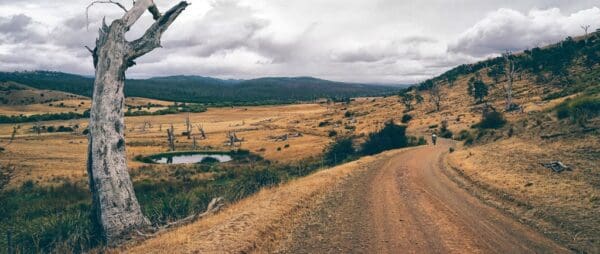

The Lake Country and Moorlands of Central Tasmania
Overview
Central Tasmania is defined by the Central Plateau, a high inland landscape of sub-alpine moorlands, broad basalt and dolerite country, and an extraordinary scatter of lakes and tarns. On the northern edge of the Tasmanian Wilderness World Heritage Area, it sits in the island’s interior between Great Lake to the east and the higher country around Walls of Jerusalem to the west. This is the part of Tasmania where open tablelands, cold waters and long horizons shape the whole feel of the place.
What makes the region memorable is its sense of space. Instead of one dominant peak or a single river valley, the landscape unfolds as a wide elevated plateau cut by glacial landforms, dotted with wetlands and ringed in places by steep escarpments.
Highlights
The standout feature is water, everywhere. The Central Plateau is often called the land of a thousand lakes, and that description fits: tarns, lagoons and larger lakes sit across the moorland in all directions, giving the region a quiet, open character that is quite different from Tasmania’s forested mountain parks.
Its scenic character comes from a mix of glaciated terrain and high-country geology. Around the plateau and nearby ranges, dolerite peaks, moraines, tarns and steep-sided valleys show how strongly ice shaped this part of the state. In some areas there are also rare alpine lunettes, wind-shaped crescent landforms found nowhere else in Australia.
Best Time to Visit
Late spring through autumn is usually the most settled time to appreciate Central Tasmania’s open country, wetlands and alpine plant communities. Summer and early autumn tend to make the plateau’s lakes, moorlands and broad views easiest to enjoy, while spring brings a fresher look to the high country after winter.
Winter has its own appeal, with snow and ice often sharpening the stark character of the plateau, but it changes the feel of the region completely. Even outside winter, the seasons are more pronounced here than in lower parts of Tasmania because of the altitude and exposed terrain.
Plants and Animals
Central Tasmania supports a strong mix of sub-alpine and wetland habitats, including moorland, grassland, shrubland, sphagnum peatland and high-country forest. The region’s lakes, tarns and marshy flats are a big part of its ecological importance, with large areas of relatively intact wetland country spread across the plateau.
The plant and animal life here includes a notable concentration of endemic and ancient lineages, particularly in wetland and aquatic environments. The broader Central Plateau region is recognised for significant flora and fauna values, rich aquatic life, and a distinctive group of species found in its highland waters and moorlands.
Culture and Heritage
Central Tasmania includes places with important Aboriginal heritage within the Tasmanian Wilderness World Heritage Area. The region also carries a more recent high-country history shaped by hunting, trapping and grazing, which has left its mark on how parts of the plateau are named and remembered.
Find more places to explore…
Help expand the trail collection!
Know of an official trail not listed on Trail Hiking Australia? I’m focused on showcasing the best tracks managed by land managers, and I’d love your help! Sharing a trail adds to our community and helps others discover safe, new adventures.
Submit your trail here

