Sorry, no records were found. Please adjust your search criteria and try again.
Sorry, unable to load the Maps API.
Explore stunning hiking trails of Cecil Hoskins Nature Reserve
Discover the diverse trails of Cecil Hoskins Nature Reserve, New South Wales, offering hikes and walks for all skill levels and interests. Find your perfect adventure today.
Discover 2 hiking trails in Cecil Hoskins Nature Reserve
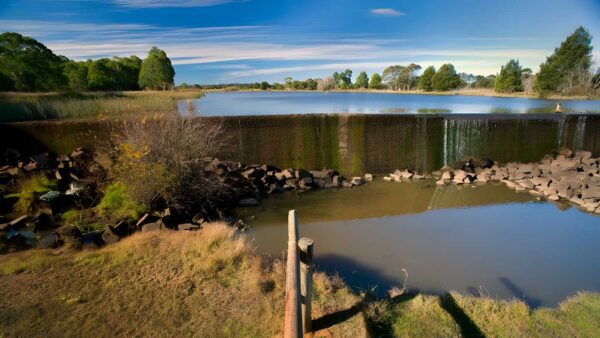


Wetland birdlife on the Wingecarribee
Overview
Cecil Hoskins Nature Reserve protects a compact but unusually rich wetland landscape on the Wingecarribee River in the Southern Highlands, between Bowral and Moss Vale, about 120 kilometres south of Sydney. It covers 47 hectares, with almost half the reserve made up of the lagoon created when Bong Bong Weir backed up the river in the 1920s. That mix of open water, swampy edges and remnant woodland gives the place a very different feel from the better-known escarpments and forests of the region.
Despite its modest size, the reserve has long been recognised for its conservation value. It was declared a wildlife sanctuary only a little over a decade after the lagoon formed, and it remains especially important as habitat for wetland birds in the Southern Highlands.
Highlights
The defining feature here is the broad lagoon spread along the river, with still water, reed-fringed edges and low-lying wetland country that opens out in a way that feels rare in this part of the Highlands. Instead of steep ridges or sandstone cliffs, the scenery is quieter and more horizontal, built around water, marsh and river flats.
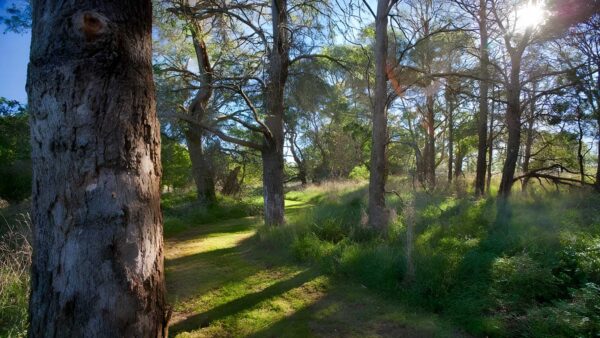
The reserve’s setting beside the Wingecarribee also gives it a strong sense of contrast. Open wetland sits alongside patches of native woodland, and there are views across the water toward the surrounding rural landscape and the historic Throsby Park area beyond.
Best Time to Visit
This is a place that changes with water levels and bird movement, so it can feel different from one season to the next. Many people find it most rewarding in the cooler months, when the air is crisp and the wetland atmosphere suits a slower walk, but there is interest here year-round because the lagoon and river margins continue to attract birdlife in every season.
Spring can be especially appealing for the mix of fresh growth, milder temperatures and active birdlife around the wetland edge. After wetter periods, the reserve often feels at its most characterful, with the lagoon and surrounding marsh more prominent in the landscape.
Plants and Animals
Birdlife is the standout. More than 90 bird species have been recorded here, and around a third of them are waterbirds, using the lagoon and wetland margins as either temporary or permanent habitat. The reserve is also known as habitat for threatened species including the Australasian bittern and blue-billed duck.
The plant life matters just as much to the character of the reserve. Important stands of Paddys River box and snow gum survive here, along with other native species linked to the wetland and its surrounding ground. The combination of open water, swamp vegetation and woodland helps explain why such a small reserve supports so much wildlife.
Culture and Heritage
Cecil Hoskins Nature Reserve falls within the area covered by the Gundungurra Indigenous Land Use Agreement.
The reserve also sits in a part of the Southern Highlands with deep colonial history. This land formed part of the 1819 grant to Charles Throsby, and it lies beside the site of Bong Bong village, the first European settlement in the Southern Highlands. Although the village itself has disappeared, the surrounding landscape still carries that early pastoral and settlement history.
Find more places to explore…
Help expand the trail collection!
Know of an official trail not listed on Trail Hiking Australia? I’m focused on showcasing the best tracks managed by land managers, and I’d love your help! Sharing a trail adds to our community and helps others discover safe, new adventures.
Submit your trail here

