Sorry, no records were found. Please adjust your search criteria and try again.
Sorry, unable to load the Maps API.
Explore stunning hiking trails of Capricorn Coast National Park
Discover the diverse trails of Capricorn Coast National Park, Queensland, offering hikes and walks for all skill levels and interests. Find your perfect adventure today.
Discover 2 hiking trails in Capricorn Coast National Park
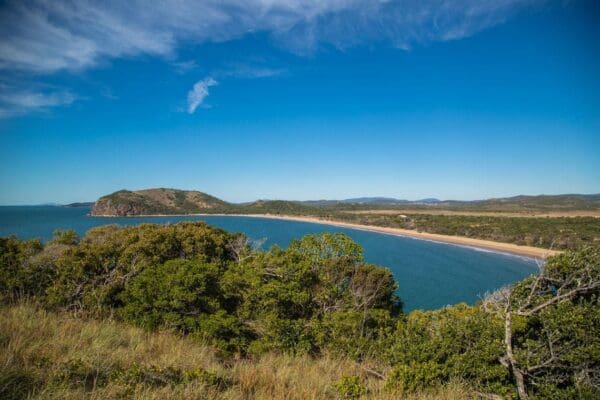

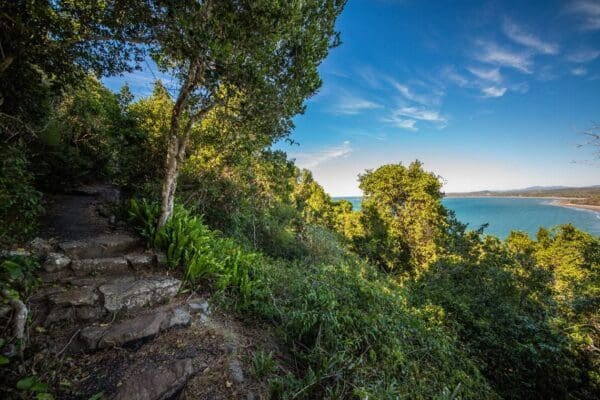
Volcanic Headlands and Coastal Lookouts on the Capricorn Coast
Overview
Capricorn Coast National Park is a series of small coastal reserves spread between Yeppoon and just south of Emu Park in Central Queensland. Rather than one large inland park, it protects a chain of rocky headlands, ridgelines and coastal vegetation communities along a well-known stretch of shoreline. The park covers about 117ha and includes sections such as Double Head, Rosslyn Head, Bluff Point, Cocoanut Point and Vallis Park.
What makes this park distinctive is the way geology and coastline come together in a compact area. Prominent rocky outcrops formed when lava pushed through older rock layers in the late Cretaceous, leaving trachyte plugs that now stand above the coast as natural viewpoints over Keppel Bay, nearby islands and the hinterland.
Highlights
The park’s character is all about volcanic headlands meeting the sea. Around Double Head, the rock formations are especially striking, including Fan Rock, the exposed core of an old volcano. Rosslyn Head rises to about 60m above sea level, adding another bold landmark to the coastline.
Bluff Point stands out for its broad coastal outlooks and its large trachyte plug, while the various sections together give the park a strong sense of contrast, from sheltered harbour views near Rosslyn Bay to open sea views, rocky points and low coastal ridges. Even though the reserves are relatively small, the scenery feels varied because each headland has its own shape, vegetation and angle on the coast.
Best Time to Visit
This is a place that suits the cooler, drier months best, when walking through exposed coastal country is generally more comfortable and the air is often clearer for views across Keppel Bay and the hinterland. Conditions can be hot and humid through summer, so the shoulder seasons and winter tend to give the most pleasant overall experience of the landscape.
Plants and Animals
Capricorn Coast National Park protects an impressive range of coastal plant communities for such a small park. Across its different sections you will find heathlands, open eucalypt forest, vine thickets, coastal sand dune heath, mangroves and open tussock grasslands. In places the vegetation changes quickly over short distances, which is part of what gives the park its varied feel.
Double Head includes vine thicket with overhanging fig trees, windswept scrub and grassland with grasstrees, while other sections support everything from mangroves to eucalypt woodland. The headlands and lookouts are also good places to spot birdlife and, from some coastal vantage points, marine life offshore.
Culture and Heritage
Capricorn Coast National Park is on Darumbal Country. The park’s welcome to country identifies the Darumbal people as the Traditional Owners of this coastline.
Find more places to explore…
Help expand the trail collection!
Know of an official trail not listed on Trail Hiking Australia? I’m focused on showcasing the best tracks managed by land managers, and I’d love your help! Sharing a trail adds to our community and helps others discover safe, new adventures.
Submit your trail here

