Sorry, no records were found. Please adjust your search criteria and try again.
Sorry, unable to load the Maps API.
Explore stunning hiking trails of Cambewarra Range Nature Reserve
Discover the diverse trails of Cambewarra Range Nature Reserve, New South Wales, offering hikes and walks for all skill levels and interests. Find your perfect adventure today.
Discover 1 hiking trail in Cambewarra Range Nature Reserve
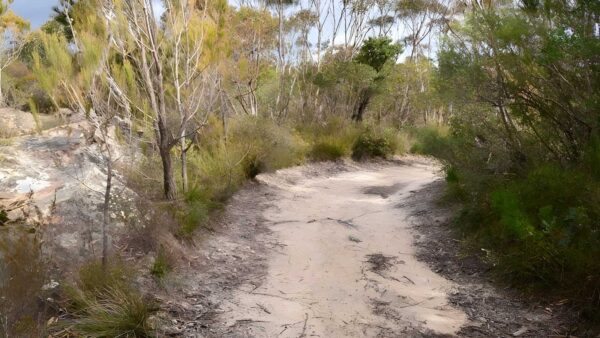
Plateaus, Clifflines and Rainforest on the Cambewarra Range
Overview
Cambewarra Range Nature Reserve protects the upper slopes of Cambewarra Mountain on the South Coast of New South Wales, not far inland from Nowra. Rather than sitting in one neat block, it is made up of separate parcels spread across the range, including the Red Rocks plateau, steep ridges and clifflines, and the mesa-like Bellawongarah Mountain. Together they cover about 1,883 hectares and form part of the dramatic country between the coast and Kangaroo Valley.
The reserve’s shape and position give it a real sense of variety. Sandstone plateaus give way to deep gullies, cliffs and sheltered slopes, with patches of fertile volcanic country mixed through the range. That mix of landforms is one of the reasons the reserve holds such a broad spread of vegetation in a relatively compact area.
Highlights
What stands out here is the contrast between the high, open plateau country and the broken escarpment terrain dropping away from it. The Red Rocks section is especially notable for its elevated position above Kangaroo Valley, while other parts of the reserve protect rainforest-lined gullies, cliff edges and rugged slopes that add to the range’s strong scenic character.
The geology adds another layer to the landscape. Hawkesbury Sandstone dominates the plateau country, while volcanic and sedimentary rocks appear on the slopes below. Bellawongarah Mountain also includes small patches of upland swamp, adding another distinct element to the reserve’s scenery.
Best Time to Visit
Cooler months are usually the most comfortable time to spend time in this part of the range, particularly from autumn through spring, when the escarpment and plateau country tend to be clearer and more pleasant for walking. After rain, the gullies and forested sections can feel especially fresh, while milder temperatures also make it easier to appreciate the lookouts and high-country setting.
Plants and Animals
This reserve packs a surprising range of plant communities into its scattered sections. Tall moist forest, open forest, rainforest and heathland all occur here, shaped by changes in geology, soil and drainage across the range. On the plateaus and upper slopes around Red Rocks and Black Ash, dry forest and heath are common, while sheltered slopes support taller, moister forest.
The rainforest is particularly varied. In the Berry Mountain section, different forms of subtropical, warm temperate and dry rainforest occur across boulder slopes and shallower soils, with species such as coachwood, sassafras, lilly pilly and brush cherry. Elsewhere, patches of heath on poorly drained plateau tops are regionally significant because of their restricted distribution.
The reserve is also important for wildlife habitat. Its mix of forest, heath and rainforest supports a rich birdlife, and the broader reserve group contains habitat for threatened species. Fox control has been used here to help protect brush-tailed rock-wallaby habitat, which points to the ecological value of these escarpment slopes and connected bushland areas.
Culture and Heritage
Cambewarra is an Aboriginal name, and this landscape holds recorded Aboriginal sites within the reserve itself. On the Red Rocks plateau there are axe grinding groove sites, and at the western end of the plateau there are rock shelters with art. The wider valley and escarpment country has long been part of Aboriginal cultural heritage, with places used for camps, resources, ceremony and story.
Find more places to explore…
Help expand the trail collection!
Know of an official trail not listed on Trail Hiking Australia? I’m focused on showcasing the best tracks managed by land managers, and I’d love your help! Sharing a trail adds to our community and helps others discover safe, new adventures.
Submit your trail here