Sorry, no records were found. Please adjust your search criteria and try again.
Sorry, unable to load the Maps API.
Explore stunning hiking trails of Burning Mountain Nature Reserve
Discover the diverse trails of Burning Mountain Nature Reserve, New South Wales, offering hikes and walks for all skill levels and interests. Find your perfect adventure today.
Discover 1 hiking trail in Burning Mountain Nature Reserve
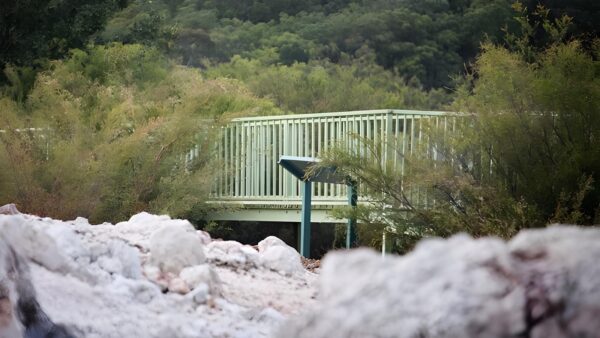

Where the Ground Has Burned for Millennia
Overview
Burning Mountain Nature Reserve protects one of the strangest natural features in New South Wales: an underground coal seam that has been burning beneath the ground for thousands of years. The reserve sits about 25km north of Scone in the Upper Hunter and, despite covering only 14.5 hectares, it holds an unusually rich mix of geological change, altered soils and plant communities shaped by long-term heat below the surface.
This is not a volcanic landscape, even though it can look dramatic at first glance. What makes the place distinctive is the way the slow-moving burn has changed the ridge over time, creating smoking vents, ground subsidence and thermally altered earth and rock. Those changes have also influenced the vegetation, making the reserve important not just for scenery, but for science as well.
Highlights
The reserve’s defining feature is the burning coal seam itself, lying around 20 to 30 metres below the surface and advancing gradually through the ridge. As it moves, it leaves behind fissures, slumped ground and patches of altered soil, so the landscape tells a story of change rather than a single fixed landmark.
There is also a strong sense of the wider landform around the site. The reserve sits in folded Upper Hunter country with views towards the Liverpool Range, and its exposed rocks record a much older history again, including Permian formations and fossil-bearing outcrops. It is a small reserve, but geologically it has an unusually large presence.
Best Time to Visit
Burning Mountain can be visited at any time of year, but the milder months generally make it easier to appreciate the reserve’s open ridges and surrounding views without the harsher heat of summer. Clearer, cooler days also tend to suit a place where the appeal is as much about noticing detail in the ground, rock and vegetation as it is about the bigger scenery.
After rain, the country around Scone often looks greener, which can make the contrast between the ordinary bushland and the heat-affected ground more noticeable.
Plants and Animals
One of the most interesting things about Burning Mountain is the way plants respond to the underground fire. Vegetation changes with distance from the current burn area, and species diversity increases further away from the vent site. The result is a series of plant communities shaped by differences in geology, topography and the degree of heating in the upper soil layers.
The reserve is also valued for the animal communities associated with those unusual conditions, although the ecological relationships here are only partly understood. That mix of altered soils, microclimates and changing vegetation makes the place an important natural study area rather than just a scenic curiosity.
Culture and Heritage
Burning Mountain has a direct cultural connection with the Wanaruah people. The mountain sits within a recorded Wanaruah story linked to the Wingen Maid, and the name Wingen is understood to mean fire. The burning seam forms part of that enduring cultural tradition rather than being simply a geological oddity.
The reserve also contains evidence of Aboriginal use, including scattered flake deposits and worked rock fragments in the upper soil layers along the heat-affected ground. In the nineteenth century the place drew early scientific attention as observers tried to understand the source of the smoke and heat, and it later became known for the collection of sulphur-rich material from the vent area.
Find more places to explore…
Help expand the trail collection!
Know of an official trail not listed on Trail Hiking Australia? I’m focused on showcasing the best tracks managed by land managers, and I’d love your help! Sharing a trail adds to our community and helps others discover safe, new adventures.
Submit your trail here

