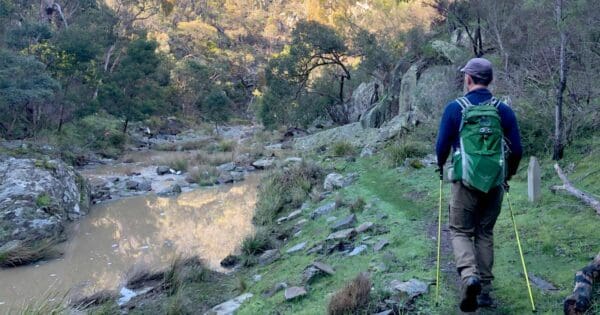
Where Wildflowers and Rocky Gullies Shape the Brisbane Ranges
Overview
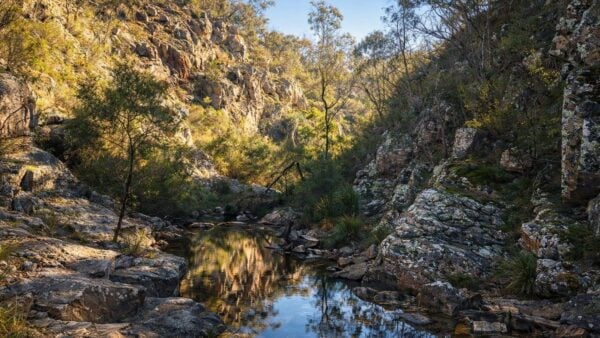
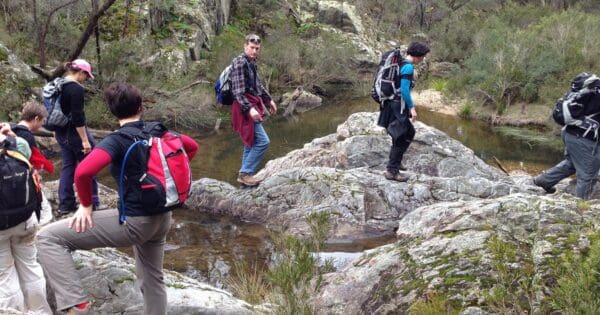
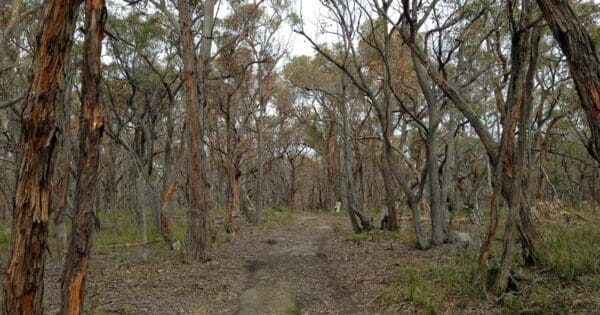
Brisbane Ranges National Park sits in a low but rugged range west of Melbourne, around 80 kilometres from the city and not far from Geelong. What makes it stand out is the way its rocky gullies, folded hills and unusual geology have protected plant communities that have disappeared from much of the surrounding district. Even though the park is not especially high, it feels distinct from the cleared plains around it, with bushland stretching across a compact range of ridges, escarpments and sheltered valleys.
This is also one of Victoria’s richest areas for native flora. Around one sixth of the state’s plant species have been recorded here, which gives the park a botanical richness well beyond its size. Brisbane Ranges National Park covers 7,718 hectares and remains an important patch of remnant vegetation between Melbourne, Geelong and Ballarat.
Highlights
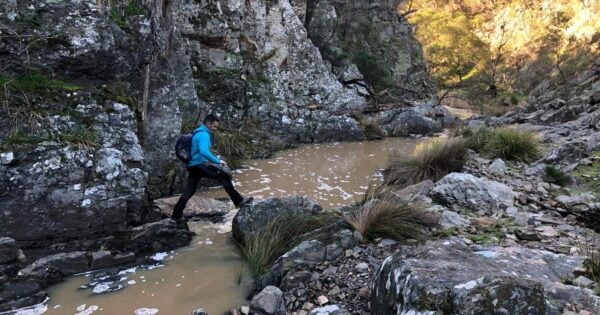
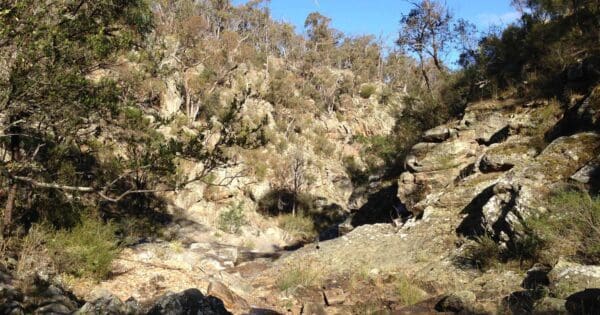
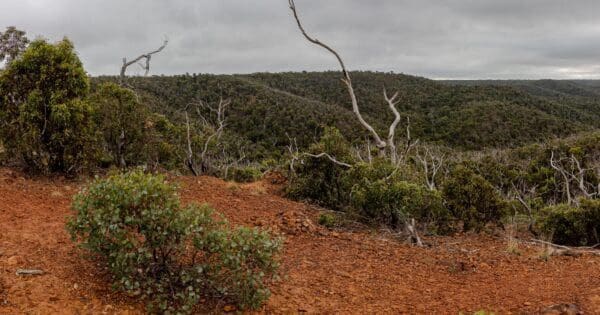
The scenery here is shaped by the Rowsley Fault, a north to south escarpment that rises sharply from the Werribee plains and forms the park’s eastern edge. Deep gorges and steep valleys cut through this fault line, giving the ranges a more rugged character than you might expect from the map. From higher points, there are wide views out across the plains towards Melbourne, while inside the park the outlook is often shorter and more intimate, framed by rocky slopes and gullies.
The contrast between the dissected eastern side and the gentler, undulating country to the west is a big part of the park’s appeal. It is a landscape of escarpments, internal gorges and changing bushland texture rather than dramatic alpine peaks, and that quieter geological character is exactly what gives the Brisbane Ranges its sense of place.
Best Time to Visit
Autumn is a particularly popular time to be here, with milder weather that suits longer days outdoors. Spring also has a strong appeal because the park is widely known for its wildflower displays, and the floral variety is one of the main reasons people are drawn to the ranges in the first place.
If your main interest is the broader character of the park rather than any one seasonal feature, Brisbane Ranges National Park has enough variation in vegetation and landscape to feel rewarding across the year. The timing mostly comes down to whether you prefer cooler walking weather or the colour and detail of flowering season.
Plants and Animals
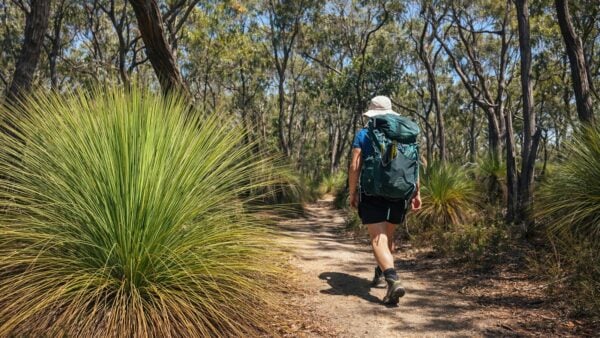
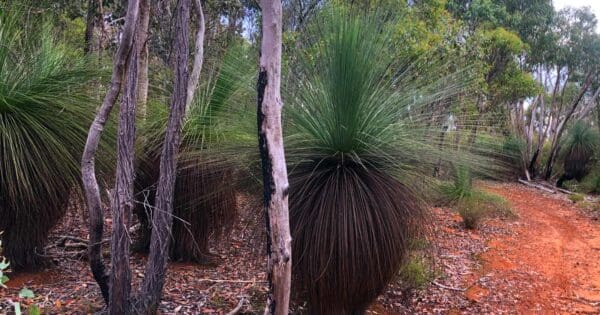
Plant life is the defining feature of this park. A total of 619 species of vascular plants have been recorded here, including 26 species listed as rare, threatened or significant in Victoria. The orchid flora is especially notable, with 61 species recorded in the park, about a quarter of Victoria’s total orchid flora. That richness is tied closely to the park’s geology, soils and the survival of remnant vegetation in a landscape that has been heavily cleared beyond the ranges.
Koalas are one of the animals the park is best known for, and they are regularly seen along with other native wildlife, including species considered rare or threatened in Victoria. The bushland also supports a strong mix of habitats for birds and smaller mammals, so even away from the better-known flowering plants, this is a park with a lot going on ecologically.