Sorry, no records were found. Please adjust your search criteria and try again.
Sorry, unable to load the Maps API.
Explore stunning hiking trails of Bouddi National Park
Discover the diverse trails of Bouddi National Park, New South Wales, offering hikes and walks for all skill levels and interests. Find your perfect adventure today.
Discover 25 hiking trails in Bouddi National Park
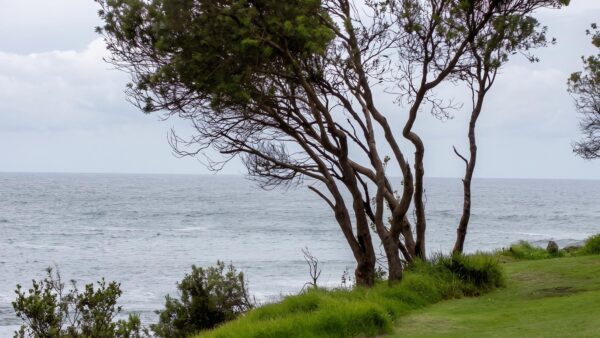

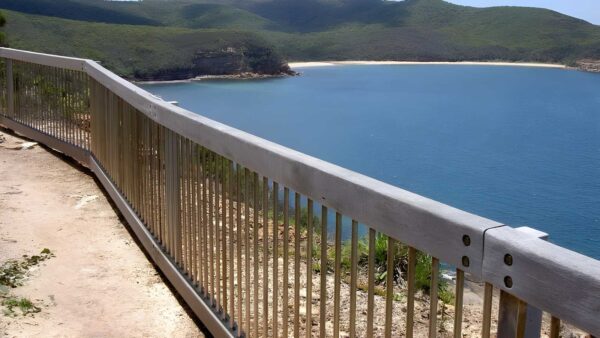



Cliffs, lagoons and marine country at Bouddi
Overview
Bouddi National Park sits on the Central Coast about 20 kilometres south-east of Gosford, covering a large part of the Bouddi Peninsula between Wagstaffe and MacMasters Beach. It brings together 18.5 kilometres of coastline, sheltered bays, beaches, sandstone headlands and a marine section that extends offshore, so the feel of the place is shaped as much by the sea as by the bush.
What makes Bouddi stand out is the range packed into a relatively compact area. Rainforest gullies, heath, woodland, dunes, lagoons and rock platforms all sit within the one park, and the coastline forms the northern scenic gateway to Broken Bay. Maitland Bay, Box Head, Mourawaring Point and Bombi Point are among the landforms that give the park its strong coastal character.
Highlights
Bouddi is known for its rugged sandstone coast, where steep cliffs drop to rock platforms, small bays and pocket beaches. The park also holds relatively natural catchments at Maitland Bay, Rileys Bay and Tallow Beach, which are uncommon in the Sydney and Central Coast regions, along with semi-permanent coastal lagoons at Putty Beach and Maitland Bay.
Another distinctive feature is the Bouddi Marine Extension. It protects reef and nearshore marine environments between Gerrin Point and Bombi Point, including the Maitland Bombora, and gives the park a broader coastal setting than most headland reserves. Bouddi is the only national park in New South Wales that includes marine ocean environments.
Best Time to Visit
Bouddi works well across the year because its appeal is tied to the coastline, bush and sea rather than a single seasonal event. Cooler months are often the most comfortable for longer days out, while warmer weather tends to bring the beaches, rock platforms and estuarine edges into sharper focus.
If you are most interested in the park’s plant life, different seasons reveal different parts of it. Heath, shrubland, forest and dune vegetation all contribute to the sense of variety here, so the park rarely feels flat or one-note at any time of year.
Plants and Animals
Bouddi protects an unusually varied mix of coastal habitats, with saltmarsh, grassland, heath, woodland, shrubland, rainforest and open and closed forest communities all recorded here. The dominant vegetation types are Narrabeen Coastal Blackbutt Forest and Coastal Narrabeen Moist Forest, with sizable areas of coastal headland shrubland, wallum heath and low forest, plus mangroves, saltmarsh and swamp oak forest around estuarine mudflats.
That habitat diversity supports a rich spread of wildlife. More than 200 native vertebrate species have been recorded in the park, including over 100 bird species and nearly 50 mammal species. The marine section adds another layer again, with kelp forests, sponge-dominated reefs and other habitats that support reef fish as well as animals such as whales, seals and turtles. Threatened species are a real part of the park too, with eight threatened ecological communities, five threatened plant species and 34 threatened animal species recorded.
Culture and Heritage
Bouddi National Park is in the traditional Country of the Darkinjung People, and Aboriginal people have a long connection with this area of coast and sea. More than 70 Aboriginal sites containing over 200 objects have been recorded in the park and nearby areas, reflecting that long and continuing cultural presence. Bouddi is also the local Aboriginal name for the eastern headland of Maitland Bay.
The park also carries layers of shared history. Among the better-known heritage features are the remains of the paddle steamer Maitland, wrecked in 1898, and the Bombi Point World War II radar emplacement.
Find more places to explore…
Help expand the trail collection!
Know of an official trail not listed on Trail Hiking Australia? I’m focused on showcasing the best tracks managed by land managers, and I’d love your help! Sharing a trail adds to our community and helps others discover safe, new adventures.
Submit your trail here