Sorry, no records were found. Please adjust your search criteria and try again.
Sorry, unable to load the Maps API.
Explore stunning hiking trails of Borenore Karst Conservation Reserve
Discover the diverse trails of Borenore Karst Conservation Reserve, New South Wales, offering hikes and walks for all skill levels and interests. Find your perfect adventure today.
Discover 1 hiking trail in Borenore Karst Conservation Reserve
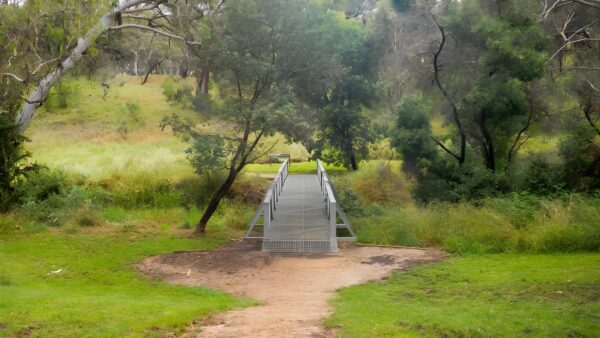

Ancient Marble Caves on the Slopes of Mount Canobolas
Overview
Borenore Karst Conservation Reserve sits about 17km west of Orange on the north-western slopes of Mount Canobolas. It is a relatively small reserve at around 136 hectares, but the limestone and marble country here packs in an unusual amount of geological interest. The caves are the obvious drawcard, yet the reserve is also valued for the remnant woodland around them and for Boree Creek, which threads through the landscape and helps shape the karst system.
This is one of New South Wales’ four karst conservation reserves, set aside to protect a landscape formed by soluble rock, underground drainage and cave development. At Borenore, the original limestone has been altered into marble, creating a cave system with distinctive underground chambers, springs and surface features in a compact patch of country near the Central West tablelands.
Highlights
The reserve’s real character comes from its karst landforms. Alongside the caves themselves, there are cliff lines, dolines, swallets, springs, a blind valley, a karst bridge and a karst window, all created by water working through the rock over a very long time. Inside the cave system, formations such as stalactites, stalagmites, columns and flowstone give the reserve much of its visual appeal.
One of the most interesting features is the way Boree Creek interacts with the marble country. In places the creek sinks or is fed by springs, and this connection between surface water and underground drainage is a big part of what makes Borenore feel different from the surrounding farmland and woodland. Verandah Cave also stands out for the way it shows the reserve’s continuing geological story, with its undercut rock face and evidence of earlier cave development preserved in the cliff.
Best Time to Visit
Borenore suits a visit when the weather is mild enough to enjoy time above ground as well as in and around the caves. Autumn and spring are usually the most comfortable seasons around Orange, with clearer days, cooler walking temperatures and woodland that feels more inviting than it can in the heat of summer.
Even so, the reserve is not really about a single peak season. Its appeal lies in the contrast between open box woodland, creek flats and cool cave spaces, so it can be rewarding at different times of year depending on whether you are most interested in the scenery, the geology or the birdlife.
Plants and Animals
Beyond the marble outcrops, the reserve protects one of the few remaining patches of native vegetation in this part of the region. The main plant community is open woodland dominated by white box and yellow box, which gives the place a distinctly Central West feel and supports much of its wildlife value.
The caves and surrounding bush provide habitat for a mix of mammals and birds, including eastern grey kangaroos, swamp wallabies, brushtail and ringtail possums, and more than 50 bird species. The reserve also supports species of higher conservation significance, including the spotted-tailed quoll and bent-winged bats, which adds another layer of importance to a place that might first seem all about rock and landform.
Culture and Heritage
Borenore Caves lies within the area of the Boree Local Aboriginal Land Council, and an Aboriginal occupation site recorded within the reserve shows that the area was known to and used by Aboriginal people. The official record for the reserve does not add much further detail about that connection, so what stands out most clearly is that the caves form part of a much longer human story than their later European use.
European interest in the area began early in the nineteenth century, and the reserve later saw grazing, recreation and marble extraction. Borenore Red marble became especially well known in the early twentieth century, and traces of that history remain part of the reserve’s character alongside the older geological story written into the caves themselves.
Find more places to explore…
Help expand the trail collection!
Know of an official trail not listed on Trail Hiking Australia? I’m focused on showcasing the best tracks managed by land managers, and I’d love your help! Sharing a trail adds to our community and helps others discover safe, new adventures.
Submit your trail here

