Sorry, no records were found. Please adjust your search criteria and try again.
Sorry, unable to load the Maps API.
Explore stunning hiking trails of Blue Mountains
Discover the diverse trails of Blue Mountains, New South Wales, offering hikes and walks for all skill levels and interests. Find your perfect adventure today.
Discover 2 hiking trails in Blue Mountains


Sandstone Cliffs, Deep Valleys and Blue Haze
Overview
Blue Mountains National Park spreads across a vast section of the Great Dividing Range west of Sydney, forming the core of the Greater Blue Mountains Area World Heritage property. It is a landscape of high sandstone plateaus cut by deep valleys, escarpments and canyons, with well-known mountain towns such as Katoomba, Blackheath, Leura and Wentworth Falls sitting along its edge. For many people it feels close to the city, but once you look beyond the ridge tops the scale of the country is immense.
The park is known for its dramatic cliff lines, waterfalls and broad eucalypt forests. That mix of rugged landforms and rich bushland is a big part of why the wider Greater Blue Mountains Area was added to the World Heritage List in 2000 for its natural values.
Highlights
What gives the Blue Mountains its character is the sheer size of the sandstone country. The plateau drops away into the Grose Valley, Jamison Valley and a maze of narrower gorges, creating long cliff faces, isolated rock formations and layer after layer of blue-tinged ridges. The Three Sisters at Katoomba are the best-known landmark, but they are only one part of a much larger escarpment landscape.
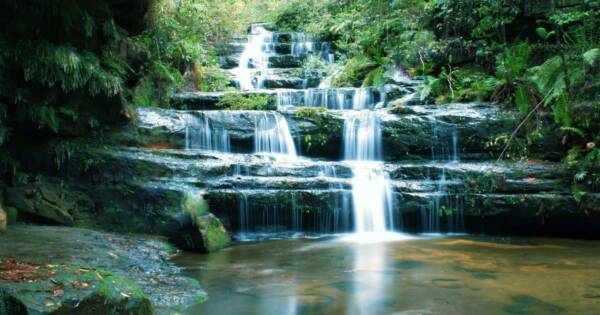
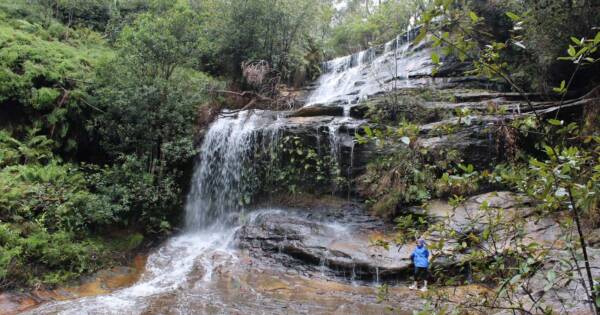
Elsewhere, the park shifts from open lookouts on cliff edges to sheltered gullies with creeks, hanging swamps and pockets of rainforest. Waterfalls are a defining feature, especially around the upper escarpments where streams spill over the edge into the valleys below.
Best Time to Visit
Blue Mountains National Park can be rewarding in any season, but the cooler months from autumn to spring are often the most comfortable for walking and for taking in the big escarpment views. Winter usually brings crisp air and clear days, while spring adds wildflower displays in heath and woodland areas. Summer can still be beautiful, particularly in the higher parts of the park, though conditions are generally warmer and hazier.
Plants and Animals
Eucalypts dominate the landscape here, and the Greater Blue Mountains Area is notable for the diversity of those forests. Across the wider World Heritage area there are 96 eucalypt species, showing just how varied these mountain ecosystems are. Heath, woodland, wet gullies, hanging swamps and rainforest all sit within the park as well, changing with altitude, soil and shelter.
The park also supports a wide range of native wildlife. Birdlife is abundant, and the rugged valleys and forested slopes provide habitat for animals including rock-wallabies and many other species that depend on large, connected bushland.
Culture and Heritage
Blue Mountains National Park is in the traditional Country of the Gundungurra and Darug people. Their connection to this country is part of the park’s living cultural history and remains central to how the place is understood today.
Find more places to explore…
Help expand the trail collection!
Know of an official trail not listed on Trail Hiking Australia? I’m focused on showcasing the best tracks managed by land managers, and I’d love your help! Sharing a trail adds to our community and helps others discover safe, new adventures.
Submit your trail here

