Sorry, no records were found. Please adjust your search criteria and try again.
Sorry, unable to load the Maps API.
Explore stunning hiking trails of Bindarri National Park
Discover the diverse trails of Bindarri National Park, New South Wales, offering hikes and walks for all skill levels and interests. Find your perfect adventure today.
Discover 2 hiking trails in Bindarri National Park
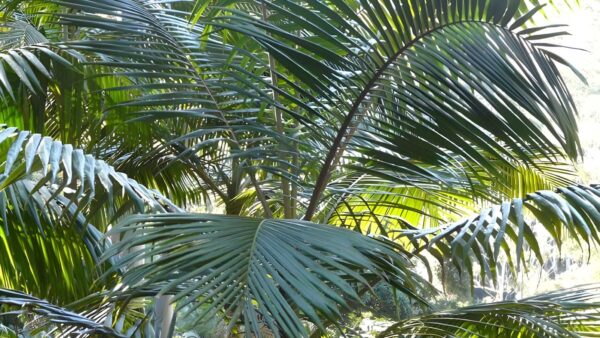

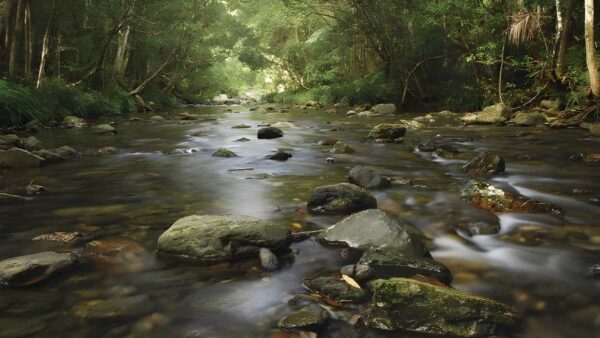
Escarpment Forests and River Gorges of Bindarri
Overview
Bindarri National Park sits inland from Coffs Harbour on the Mid North Coast of New South Wales, where the Great Escarpment drops into steep river country. The park protects the headwaters of the Urumbilum River and part of a broader landscape of sheltered valleys, rugged gorges and forested slopes. It is a place where the country changes quickly, from higher escarpment terrain to warm, enclosed river flats and ravines.
What gives Bindarri its character is that mix of landforms and vegetation. Pockets of subtropical rainforest sit alongside tall eucalypt forest, and the waterways run through country that remains relatively undisturbed. Bindarri is also part of a larger protected area with recognised National Heritage values, and it sits within a proposed extension area for the Gondwana Rainforests of Australia World Heritage property.
Highlights
The scenery here is shaped by water and relief. The Urumbilum River drops from the escarpment through a rugged mountain ravine, and the park is known for gorge country, waterfalls and the sense of depth that comes with steep, folded terrain. In places the forest opens just enough to give glimpses back towards the coast, while elsewhere the landscape feels enclosed by ridgelines and creek lines.
Another standout is the contrast between the escarpment edge and the lower valleys. Across this part of the range, the surrounding volcanic landscape adds to the drama, and the combination of waterfalls, river-cut gorges and dense forest gives Bindarri a strong, distinct sense of place.
Best Time to Visit
Bindarri can be rewarding at any time of year, but the cooler months generally suit walking best, especially if you prefer clearer air and milder conditions on the escarpment and in the valleys. After good rain, the creeks and falls are often at their most impressive and the rainforest feels especially lush.
Warmer months bring thicker humidity, which can make the sheltered lower country feel quite different from the higher slopes. If you are mainly coming for scenery, the most appealing times are often those cooler or wetter periods when the forest is fresh and the waterways are moving well.
Plants and Animals
Bindarri is part of a biodiverse stretch of country where subtropical rainforest, old-growth hardwood forest and eucalypt communities sit close together. That variety of habitat supports a wide range of wildlife, especially around the park’s protected creeks and river headwaters.
The waterways provide habitat for animals including platypus and several threatened frog species. Birdlife is another strength of the park, with species such as the wompoo fruit-dove recorded here. The park also supports a notable list of threatened plants, including native guava, magenta lilly pilly, ravine orchid and blotched sarcochilus.
Culture and Heritage
Bindarri National Park is in the Country of the Gumbaynggirr people. The name Bindarri comes from the Gumbaynggirr word Bindarray, meaning river, which suits a park defined by headwaters, creeks and gorge systems.
The park also holds signs of more recent land use, including evidence of past forestry activity. Remains such as old machinery, bridges, snig tracks and a tramway on Syndicate Ridge are part of that later history in the landscape.
Find more places to explore…
Help expand the trail collection!
Know of an official trail not listed on Trail Hiking Australia? I’m focused on showcasing the best tracks managed by land managers, and I’d love your help! Sharing a trail adds to our community and helps others discover safe, new adventures.
Submit your trail here

