Sandstone Valleys and Quiet Waterways on Sydney’s Edge
Overview
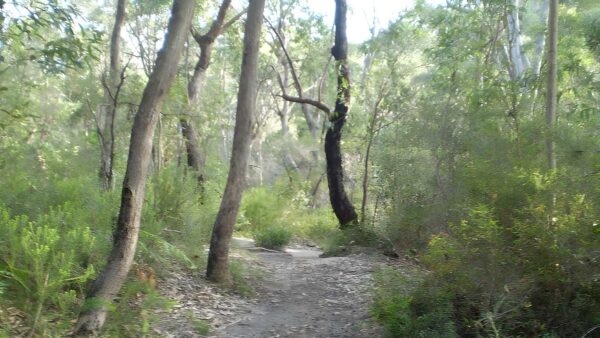
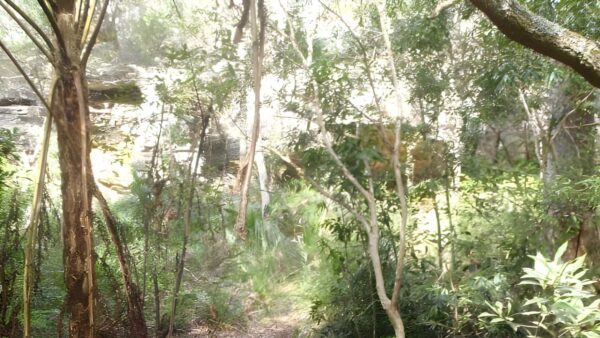
Berowra Valley National Park protects a large sweep of natural bushland in the Berowra Creek catchment, about 20 kilometres north-west of central Sydney. It sits between suburban areas including Hornsby Heights, Thornleigh, Galston, Pennant Hills and Cherrybrook, yet the landscape quickly feels far removed from the city, with steep sandstone country, narrow side valleys and long stretches of creek winding north towards the Hawkesbury River.
The park covers 3,876 hectares on the Hornsby Plateau. Much of its character comes from a dissected sandstone landscape, where ridges, cliff lines, rock ledges and sheltered gullies create a surprising amount of variety across a relatively compact part of metropolitan Sydney.
Highlights
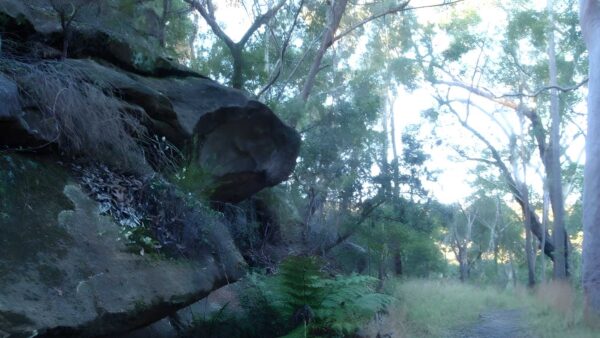
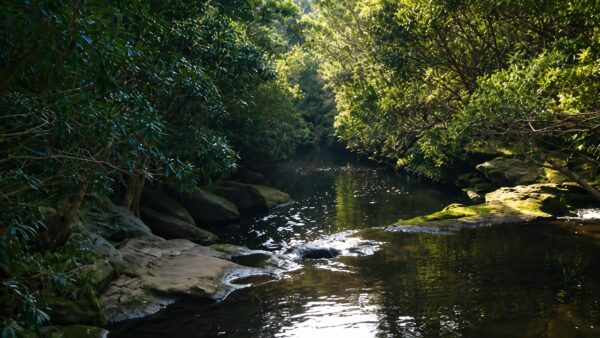
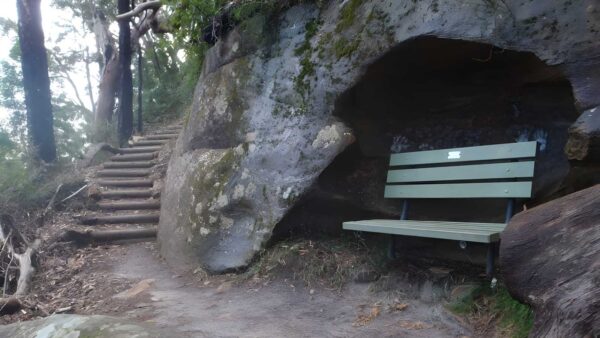
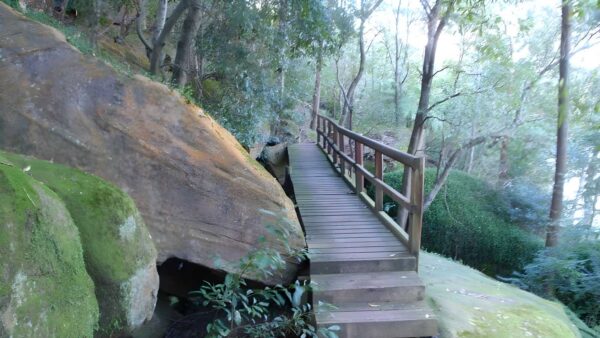
The defining feature here is Berowra Creek and the valley system built around it. The creek threads through steep bushland and gives the park a quieter, more enclosed feel than many of Sydney’s better known coastal and harbour parks. In places the land opens to broad views across ridges and forested slopes, while elsewhere it drops into sheltered gullies lined with larger sandstone boulders and overhangs.
Galston Gorge is the standout landform, cutting through the plateau and directing Berowra Creek and its tributaries towards the Hawkesbury. Across the park, the mix of ridgelines, creek flats and deeply incised valleys creates strong contrasts in scenery, from exposed sandstone country to pockets of denser, greener vegetation along the watercourses.
Best Time to Visit
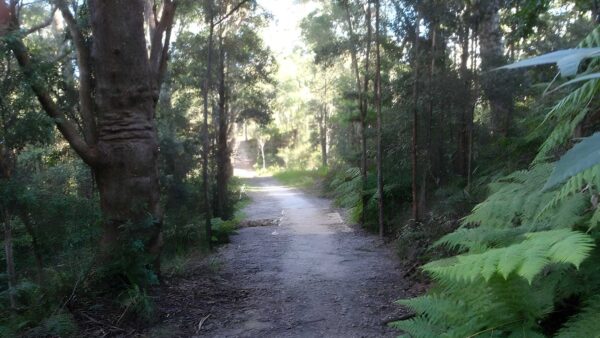
Berowra Valley National Park can be rewarding at any time of year, but the milder months from autumn to spring are usually the most comfortable for longer walks. Summer brings stronger heat on exposed ridges, while the cooler seasons tend to suit the park’s mix of open forest, shaded gullies and creekside sections particularly well.
After dry periods the sandstone country can feel crisp and open, while greener conditions after rain bring out the contrast between the ridges and the sheltered valleys. For many people, that seasonal shift is part of what makes this park feel different from one visit to the next.
Plants and Animals
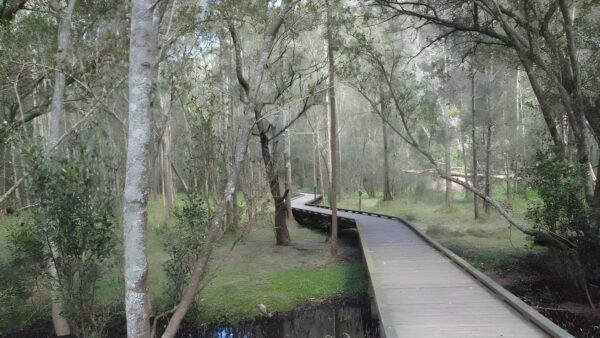
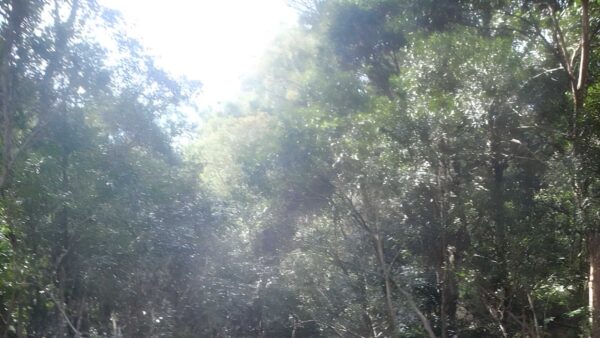
This is a biologically rich park, with extensive areas of woodland, open forest, rainforest, mangroves, heath, saltmarsh and sandstone swamp. At least 18 distinct vegetation communities have been identified here, including seven threatened ecological communities, which helps explain the strong variation in plant life from exposed ridges to moist gullies and tidal edges.
More than 230 vertebrate animal species have been recorded in the park, including 20 threatened animal species. Birdlife is especially noticeable, and the park is known habitat for species such as the powerful owl, sea eagle, wedge-tailed eagle and red-crowned toadlet. Old man banksia, eucalypt forest and wet woodland species all play a part in the broader mix of habitats across the valley.
Culture and Heritage
Berowra Valley National Park has direct Aboriginal cultural significance and includes recorded heritage sites such as artworks, rock engravings, artefact scatters, middens and habitation sites. The park lies within Country that continues to hold importance for Aboriginal people, and its landforms, waterways, plants and animals remain part of ongoing cultural connections.
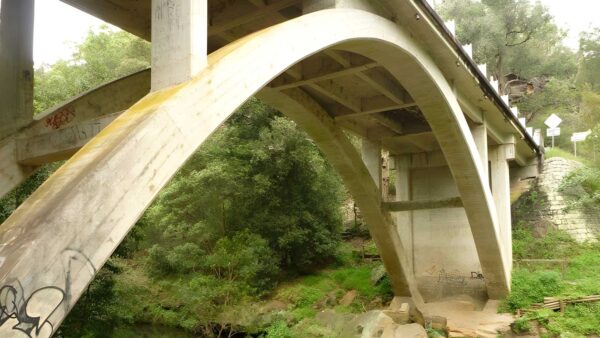
It also contains historic places linked with more recent use of the valley, including the remains of Thornleigh Quarry and the Zig Zag Railway, along with depression-era sites at Sams Creek and the former Berowra Waters Tea House.