Rocky headlands, heath and long ocean edges at Beowa
Overview
Beowa National Park stretches along the far south coast of New South Wales around Eden, in three separate sections north and south of town and north of the Pambula River. Together they cover 10,485 hectares of coast, estuaries, forest and heath, giving the park a character that feels broad and varied rather than concentrated in one single landscape.
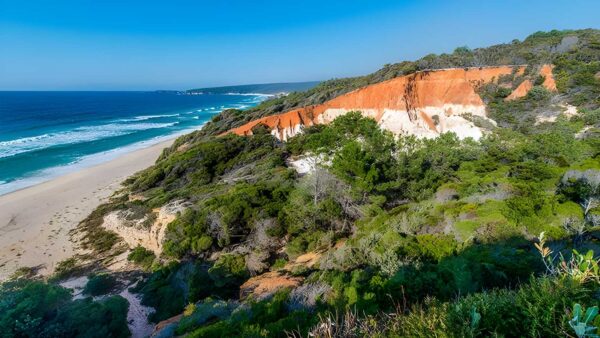
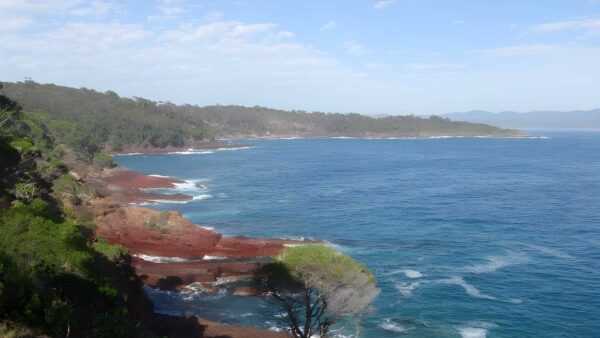
What stands out most here is the meeting of rocky shoreline, sheltered inlets, dunes and coastal bush. The park protects a representative sample of the far south coast’s landforms and vegetation communities, with everything from sandy and rocky coastline to estuarine wetlands, moist forest and old growth areas.
Highlights
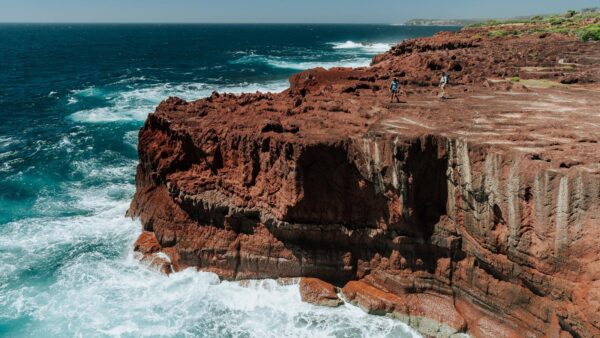
The scenery at Beowa is shaped by a long run of exposed coast, where cliffs, headlands and small bays break up the shoreline into constantly changing views. In some parts the country feels open and wind-shaped, while elsewhere the coast softens into estuaries, lagoons and quieter stretches of beach.
The contrast between the southern ocean edge and the park’s inland pockets is part of what makes the place memorable. Heathland, dune systems and wetlands sit close together, so the landscape can change quickly over a short distance, especially around the bays and river country in the northern section.
Best Time to Visit
Spring is one of the nicest times to be here, when whale migration is visible from coastal lookouts and the weather is usually mild. Winter also suits the park well, especially if you prefer cooler walking conditions, and it is a good season for seeing banksias in flower.
Summer brings the brightest beach weather, but this coast is just as much about clear, cool days outside the peak holiday season. If you are coming mainly for coastal scenery rather than swimming, the shoulder months often show the park at its best.
Plants and Animals
Beowa protects a rich mix of coastal habitats, including forest, woodland, heathland, estuaries, floodplain wetlands and dune dry scrub forest. Some of the wetland systems in the park’s northern section are recognised for their high conservation significance, and the mix of habitat types supports a wide spread of native wildlife.
Threatened species recorded here include the hooded plover, eastern bristlebird and southern brown bandicoot. Coastal heathlands are especially important for birds such as the ground parrot and striated fieldwren, while the shoreline also supports species tied closely to beaches and rocky coastal margins.
Culture and Heritage
Beowa has a direct and specific Aboriginal cultural connection. The park name, adopted in 2022, means orca or killer whale in Thaua language and reflects the strong connection between this coastline, the ocean and cultural practices associated with orcas. Aboriginal people have a long history in this country, and the park contains many Aboriginal sites whose protection remains an important part of its management.
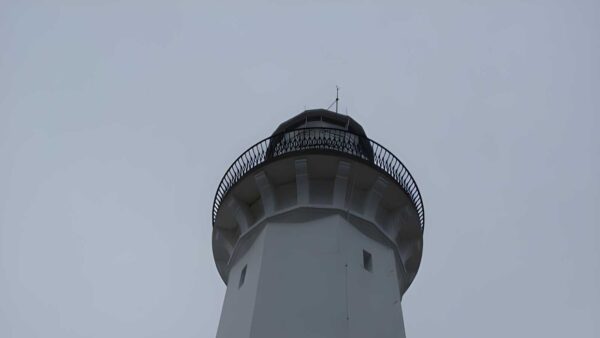
Historic places are also part of the park’s identity, particularly around Boyds Tower, Green Cape Lightstation and Bittangabee Bay, where reminders of whaling and lighthouse activity are still present in the landscape.