Sorry, no records were found. Please adjust your search criteria and try again.
Sorry, unable to load the Maps API.
Explore stunning hiking trails of Ben Lomond National Park
Discover the diverse trails of Ben Lomond National Park, Tasmania, offering hikes and walks for all skill levels and interests. Find your perfect adventure today.
Discover 1 hiking trail in Ben Lomond National Park
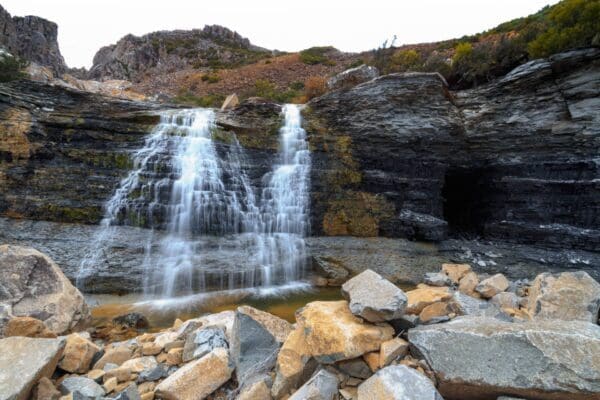

Tasmania’s High Dolerite Plateau at Ben Lomond
Overview
Ben Lomond National Park rises as a broad alpine massif in north-east Tasmania, with a high plateau that stands out clearly above the surrounding Midlands. The park covers 16,456 hectares and is known for its cold-climate landscapes, steep escarpments and open upland country rather than dense forest. Its highest point, Legges Tor, is the second highest peak in Tasmania, and much of the plateau sits around 1,500 metres above sea level.
It is also one of the state’s most distinctive all-season mountain areas. Snow shapes the park through winter, while the warmer months reveal dolerite formations, scree slopes, boulder fields and long views across northern Tasmania.
Highlights
The defining feature here is the plateau itself: a big, elevated block of country edged by dramatic dolerite cliffs and columns. Ben Lomond has a stark, high-country feel, with broad open spaces on top and sudden drops around the margins. That contrast between level alpine ground and sheer rock faces gives the park much of its character.
Another standout is the park’s glacial imprint. Among the rock fields and high slopes, the landscape shows the effects of past ice action, adding another layer to the already striking geology. From the upper parts of the park, the views reach far across the northern Midlands and surrounding ranges.
Best Time to Visit
Ben Lomond changes sharply with the seasons, so the best time depends on what sort of mountain landscape you want to see. Winter brings regular snow cover and gives the plateau a very different character, with the park becoming Tasmania’s main downhill skiing area.
Outside the snow season, the alpine country is easier to appreciate in its raw form. Summer is a good time to see the rock formations, open plateau and seasonal displays of alpine wildflowers, while the milder months either side of summer often bring clear views and a quieter feel across the mountain.
Plants and Animals
This is one of Tasmania’s important alpine conservation areas, protecting a rich mix of high-altitude plant communities and species. More than 220 plant species have been recorded in the park, including alpine wildflowers that are most noticeable in the warmer months.
Wildlife is part of the experience here too, especially around the lower forested slopes and along the edges of the plateau. Birdlife includes wedge-tailed eagles, yellow-tailed black cockatoos, honeyeaters and pardalotes, while the park was originally reserved in part for its distinctive animal and bird life.
Find more places to explore…
Help expand the trail collection!
Know of an official trail not listed on Trail Hiking Australia? I’m focused on showcasing the best tracks managed by land managers, and I’d love your help! Sharing a trail adds to our community and helps others discover safe, new adventures.
Submit your trail here

