Sorry, no records were found. Please adjust your search criteria and try again.
Sorry, unable to load the Maps API.
Explore stunning hiking trails of Bellerive
Discover the diverse trails of Bellerive, Tasmania, offering hikes and walks for all skill levels and interests. Find your perfect adventure today.
Discover 3 hiking trails in Bellerive
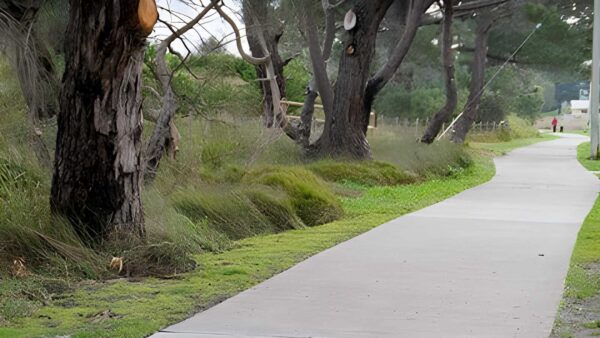

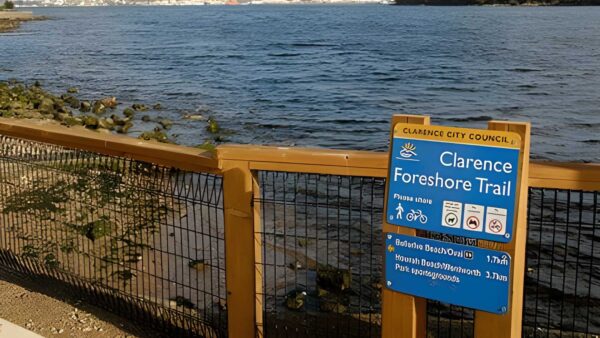
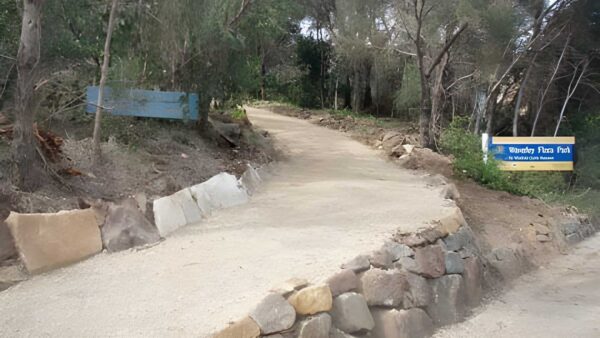
Sandstone bluffs and sheltered estuary shore at Bellerive
Overview
Bellerive sits on Hobart’s eastern shore, a short drive from the city centre, where the River Derwent opens into a broad estuary lined with beaches, rocky points and older seaside neighbourhoods. Around the foreshore, the landscape shifts between sandy beach, low dunes, rocky shoreline and the prominent bluff above Kangaroo Bay, giving this part of Clarence a coastal feel that is quite different from the city across the water.
The natural setting is closely tied to the Bellerive-Howrah coastal reserve, which stretches along the shore between Bellerive and Tranmere. This ribbon of coast includes dune vegetation, beaches, rocky headlands and foreshore that help hold the eastern shore’s scenic edge together.
Highlights
Bellerive’s standout feature is its mix of calm estuary beach and exposed rocky bluff in a relatively compact stretch of coast. Bellerive Beach is generally sheltered from southern ocean swell by South Arm Peninsula and Bruny Island, and it looks across the Derwent toward Sandy Bay and kunanyi / Mount Wellington, with longer views south toward Bruny Island.
To the east, Second Bluff adds a rougher, more geological character, with rocky sandstone outcrops and elevated views along the coast toward Howrah. Around Kangaroo Bluff, the land rises more sharply above the shore, creating one of the more distinctive headlands on Hobart’s eastern side.
Best Time to Visit
Bellerive works well year-round, but the most pleasant times are usually the milder months of spring through autumn, when the foreshore, beach and headlands are at their most inviting for a walk. Clear winter days can also be rewarding here because the open estuary setting gives the area a crisp, spacious feel and makes the cross-river views especially sharp.
If you are coming mainly for coastal scenery rather than a swim, calmer days are best, as the beach is usually protected but can still be affected by stormier conditions.
Plants and Animals
The coastal strip around Bellerive supports more than beach scenery. Native dune and foreshore vegetation forms habitat for birds, small mammals, reptiles and invertebrates, while mature eucalypts provide blossom, shelter and tree hollows. The reserve has habitat suitable for species such as swift parrots, Tasmanian masked owls and eastern barred bandicoots, even though threatened fauna have not been formally recorded there.
Local wildlife sightings along this coast have included little penguins, southern brown bandicoots, water rats, frogs in wetter areas behind the dunes, and a range of smaller bush and shore birds. The rocky foreshore and sandstone outcrops also add another layer of habitat that is quite different from the sandy beach itself.
Culture and Heritage
Bellerive is one of Hobart’s older waterside settlements, first established in the 1820s and known originally as Kangaroo Point before the name Bellerive came into use in the 1830s. Its foreshore and village streets still carry much of that early eastern shore history, with a concentration of nineteenth-century buildings and former civic sites that reflect its time as a ferry-linked settlement across the river from Hobart.
At Kangaroo Bluff, that history takes on a more defensive character. The battery built in the 1880s was part of Hobart’s coastal defence system, and the bluff remains one of the most recognisable historic landmarks in the suburb.
Find more places to explore…
Help expand the trail collection!
Know of an official trail not listed on Trail Hiking Australia? I’m focused on showcasing the best tracks managed by land managers, and I’d love your help! Sharing a trail adds to our community and helps others discover safe, new adventures.
Submit your trail here

