Sorry, no records were found. Please adjust your search criteria and try again.
Sorry, unable to load the Maps API.
Explore stunning hiking trails of Barren Grounds Nature Reserve
Discover the diverse trails of Barren Grounds Nature Reserve, New South Wales, offering hikes and walks for all skill levels and interests. Find your perfect adventure today.
Discover 3 hiking trails in Barren Grounds Nature Reserve
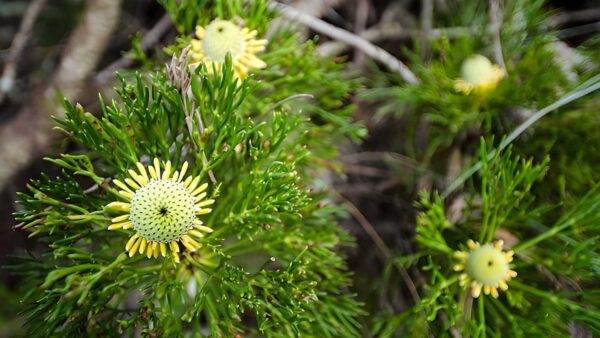

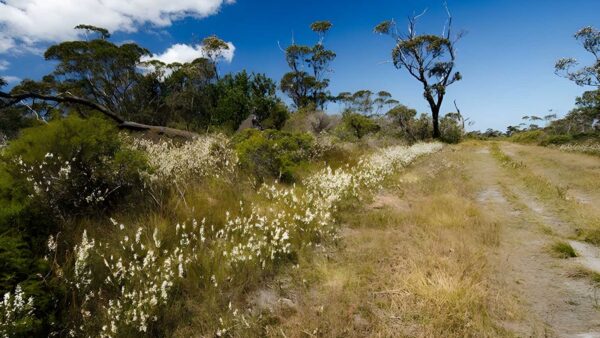
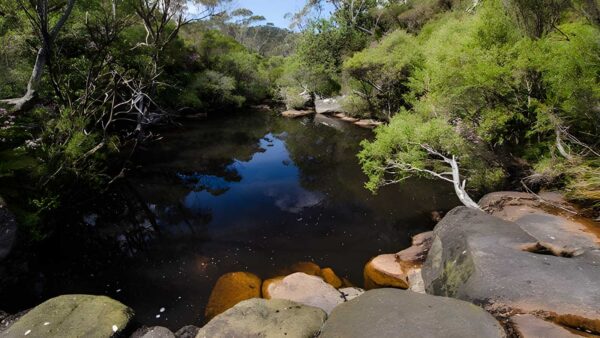
Escarpment heath and birdlife above Kangaroo Valley
Overview
Barren Grounds Nature Reserve sits on plateau and escarpment country at the eastern edge of the Southern Highlands, roughly 30km south-west of Wollongong and about 100km south of Sydney. It is known for its open heathland, patches of woodland and the abrupt drop of the escarpment, which gives the reserve a very different feel from the more settled country around it.
This reserve also has an important place in conservation history in New South Wales. It was protected in 1956 as the third faunal reserve gazetted under the Fauna Protection Act, with the reserve established in part to protect threatened heathland birds.
Highlights
The scenery here comes from contrast. Much of the plateau has an open heath and woodland landscape, then the country breaks sharply into moist forested escarpment with sheer cliffs, waterfalls and long views. From the edge, the reserve looks out over Kangaroo Valley, while the escarpment itself forms part of the broader scenic backdrop to the coastal plain.
Barren Grounds also stands out for the character of the plateau itself. The high, projecting landform gives the area a quiet, exposed feel, quite separate from the developed coast nearby.
Best Time to Visit
Spring and summer are especially rewarding when the heath is in flower, and winter brings flowering banksias through the reserve. If you are drawn to wildflowers, this is when Barren Grounds feels most colourful and distinctive.
Plants and Animals
Barren Grounds protects one of only four large heath areas on the NSW South Coast, which makes it an important refuge for species tied to this kind of habitat. The reserve is especially well known for birdlife, with around 180 bird species recorded, including honeyeaters, lyrebirds, southern emu-wrens and grey currawongs.
It is particularly significant for threatened heathland birds such as the eastern bristlebird and the ground parrot, the two species that helped drive the reserve’s creation. Wet, sheltered sites below the escarpment also support a notable mix of ferns and other regionally rare plants, adding another layer to the reserve’s biodiversity.
Culture and Heritage
Aboriginal use of this area is recorded in the reserve’s management history, with the area used at the time of European exploration by the Wodiwodi people and with evidence suggesting seasonal movement between the coast and the highlands. Recorded sites across the broader reserve landscape include artefact scatters, rock shelters with occupation deposits and art, and axe grinding grooves.
The reserve also has a recognised place in the history of conservation in New South Wales. Protected in 1956 through the efforts of early conservation figures including Myles Dunphy, Paddy Pallin and Allen Strom, it became an important site for research and for learning about the ecology of the plateau and escarpment.
Find more places to explore…
Help expand the trail collection!
Know of an official trail not listed on Trail Hiking Australia? I’m focused on showcasing the best tracks managed by land managers, and I’d love your help! Sharing a trail adds to our community and helps others discover safe, new adventures.
Submit your trail here

