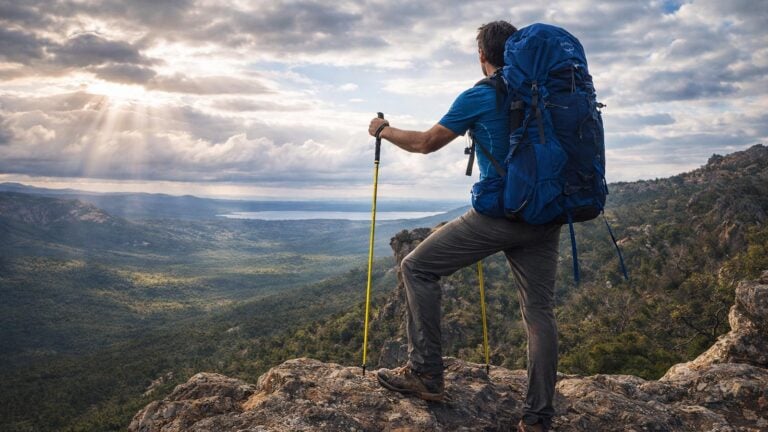
Hiking pack size and load planning are often discussed as if conditions are predictable and forgiving. In Australia, they rarely are. Heat, water availability, exposure, terrain, scrub, and remoteness all place unique demands on what must be carried and how that load is managed.
I’ve found this catches out more hikers than almost anything else in pack choice. This article explains why Australian conditions consistently push pack size and weight higher than walkers anticipate, and why planning for these realities is essential for comfort, control, and safety on the track.
Water drives both weight and volume
In many parts of Australia, water is the single largest driver of pack weight and internal volume. On some walks, particularly in arid or semi-arid environments, a hiker may need to carry six to eight litres of water at a time. That is six to eight kilograms of weight and a significant portion of internal pack space.
Water is non-compressible. You cannot stuff a three-litre bladder into a gap the way you can a down jacket. This fixed volume dictates the internal geometry of your pack and often determines whether the load can be carried close to the spine or ends up destabilising the system.
Water is also dynamic weight. A pack may start the day carrying its maximum load, with full bladders placing high demands on the frame and hip belt. As water is consumed, both weight and volume decrease. A suitable pack must handle the morning’s maximum load without frame sag or torso collapse, while still compressing effectively in the afternoon when that volume is gone. Packs that manage one end of this range but not the other often feel inconsistent and unstable over long, dry days. I keep this in mind every time I’m sizing a pack for a dry-country trip, because the extra volume you’re not using by afternoon isn’t wasted. It’s what let the pack sit right on your back that morning.
Heat changes what “comfortable” really means
Heat affects pack planning in ways that are easy to underestimate. High temperatures increase fluid requirements, accelerate fatigue, and reduce tolerance for inefficient load transfer. A pack that feels acceptable in cool conditions can become oppressive in hot weather if it restricts airflow, pulls the body forward, or concentrates weight on the shoulders.
Heavy loads also increase metabolic heat production. When combined with a forward-leaning posture caused by a sagging or overloaded pack, heat stress increases rapidly. Poor posture reduces airflow across the back and limits chest expansion, making breathing feel harder under load.
Back ventilation matters in Australian conditions. Packs that allow airflow behind the back, such as suspended mesh or “trampoline” frame designs, can significantly improve comfort in hot weather. The trade-off is that these systems move the load slightly further from the spine, increasing leverage. For lighter loads on formed tracks, this is often worthwhile. For heavier loads or rough terrain, the stability trade-off must be considered carefully.
Exposure increases mandatory gear
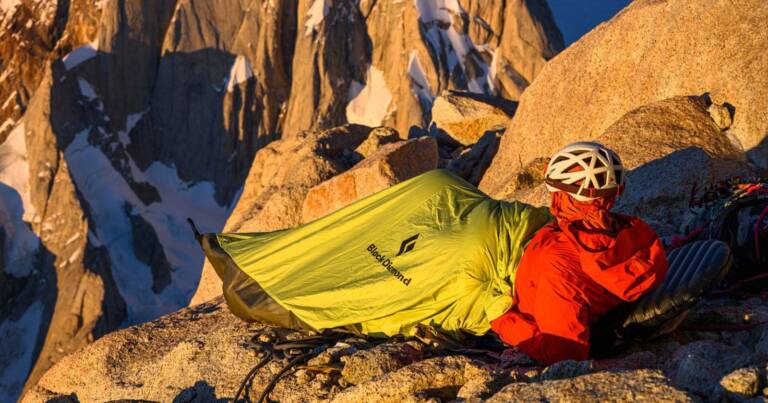
Australian landscapes often offer little shelter. Long sections of track may be fully exposed to sun, wind, or sudden weather changes. This exposure increases the need for sun protection, insulation layers, rain protection, and emergency shelter, even on walks that appear short on paper.
Unlike environments with frequent huts or reliable infrastructure, Australian walkers are often required to be more self-sufficient. This pushes both weight and volume upward and makes optimistic pack sizing risky.
Terrain and scrub punish fragile systems
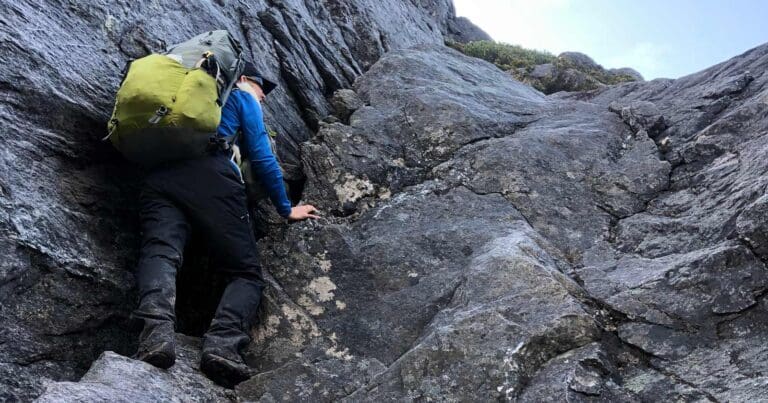
Australian terrain is frequently uneven, rocky, or eroded. Sandstone steps, loose scree, root-filled tracks, and off-camber surfaces demand precise foot placement and good balance.
In addition, “conditions” in Australia often include overgrown tracks or off-track sections. Dense scrub such as hakea, banksia, or heath places real abrasion demands on pack fabrics. Ultralight materials that perform well on well-maintained overseas trails can snag, tear, or fail quickly in Australian scrub.
This is one reason Australian packs often favour slightly heavier, more durable fabrics. The weight penalty is real, but so is the reliability benefit. A pack that survives scrub and abrasion supports safety by remaining intact and stable over long trips.
Remoteness demands margin, not minimalism
Many Australian walks involve limited access points, poor phone coverage, and long distances between exits. In these environments, contingency planning is not optional.
Extra food, navigation tools, first aid supplies, and repair items all add weight and volume. While none of these items are heavy individually, together they create a baseline load that cannot be ignored. Packs chosen with minimal margins often struggle once these realities are factored in.
In remote areas, load planning should prioritise resilience over minimalism.
Why Australian pack systems run bigger and heavier
Put these factors together and it’s clear why Australian pack systems often end up larger and heavier than overseas equivalents. Long water carries alone can add an extra two to six kilograms and two to six litres of internal volume. Scrub-heavy terrain pushes hikers toward heavier, tear-resistant fabrics that survive off-track conditions. And remoteness, combined with patchy communications, means carrying more first aid, navigation, and contingency gear than you would on a well-serviced overseas trail. None of these are large on their own, but combined they explain a lot of the gap.
This is also where ultralight systems, developed for well-supported overseas trails with predictable resupply and reliable shelter, can quietly fail. On paper they look efficient. In practice, when they’re asked to carry five days of food and seven litres of water across exposed ridgelines or dry sections of track, frames collapse, torso length shortens, and weight shifts onto the shoulders. The problem isn’t ultralight philosophy itself, it’s applying gear designed for one set of conditions to an environment that demands more self-sufficiency. Understanding what Australian conditions actually ask of a pack is what keeps you out of that trap.
Pack size and load planning should begin with an honest assessment of these conditions, water availability, heat, exposure, scrub, remoteness, terrain, and season, because that’s what shapes what needs to be carried and how the load behaves over the course of a day. Planning for the most demanding realistic conditions builds margin into your system, and that margin is what supports comfort, control, and good decision-making when conditions change, rather than forcing reactive compromises out on the track.
Where to go next
If you are refining pack choice for specific trip types, the next step is to apply these principles to individual pack categories and packing strategies.
Related guides include:
- How to choose a hiking pack: a practical decision framework
- How much weight should a hiking pack carry: limits, comfort, and safety
- Decoding backpack volume: what litres really mean for hikers
- How to choose a daypack: capacity, comfort, and real-world use
- How to choose an overnight hiking pack: load, fit, and stability
Together, these guides help Australian hikers plan pack size and load realistically, rather than relying on assumptions that do not hold up in local conditions.