The Fleurieu Peninsula’s Crown Jewel, About 90 Minutes from Adelaide
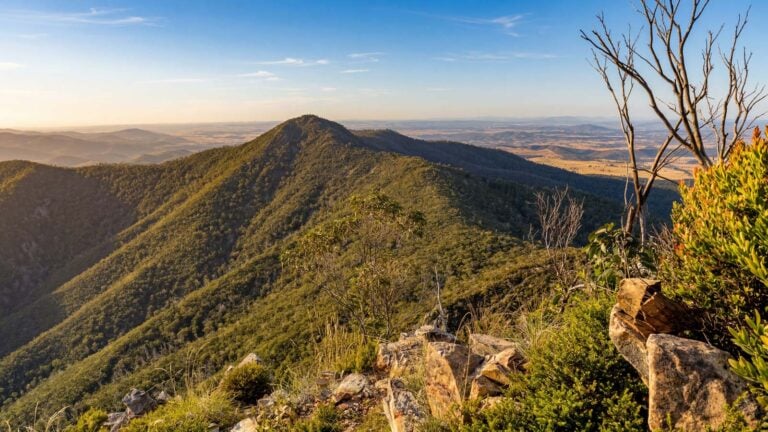
Tucked into the southern reaches of the Fleurieu Peninsula, Deep Creek National Park is one of South Australia’s most rewarding escapes. It is the largest remaining tract of natural vegetation on the peninsula, a rugged patchwork of forested ridgelines, deep gullies, wildflower-strewn hillsides and dramatic coastal cliffs that plunge toward the Southern Ocean. Just 108 kilometres from Adelaide, it is close enough for a day trip yet wild enough to feel genuinely remote. The park covers family-friendly forest circuits, a demanding multi-day coastal route, bush camping under canvas, and one of South Australia’s best whale-watching seasons, all within the one boundary.
Getting to Know the Park
A Living Landscape
Deep Creek National Park sits on Ramindjeri Ruwi, the land of the Ramindjeri people, one of eighteen tribes of the Ngarrindjeri Nation. The landscape carries deep cultural significance: it follows the path of Ngurunderi, an ancestral figure whose journey is believed to have shaped the land and the spiritual identity of the Ngarrindjeri people. Walking here is to move through country that has been cared for continuously for thousands of years.
The park protects an exceptional diversity of wildlife. Western grey kangaroos graze at dusk along the ridgelines, short-beaked echidnas shuffle through the leaf litter, and more than 100 bird species have been recorded within the park boundaries. Spring brings a stunning display of native wildflowers, and the cool months offer one of the most spectacular natural events on the South Australian calendar: whale season.
How to Get There
Access from Adelaide is via Main South Road, with the park entrance approximately 108 kilometres south of the city. From Victor Harbor, Range Road provides an alternative approach. All roads within the park are unsealed, so a confident pace and awareness of road conditions are advisable. The Boat Harbour Beach track and Blowhole Beach track are 4WD only; fines apply to 2WD vehicles on these routes.
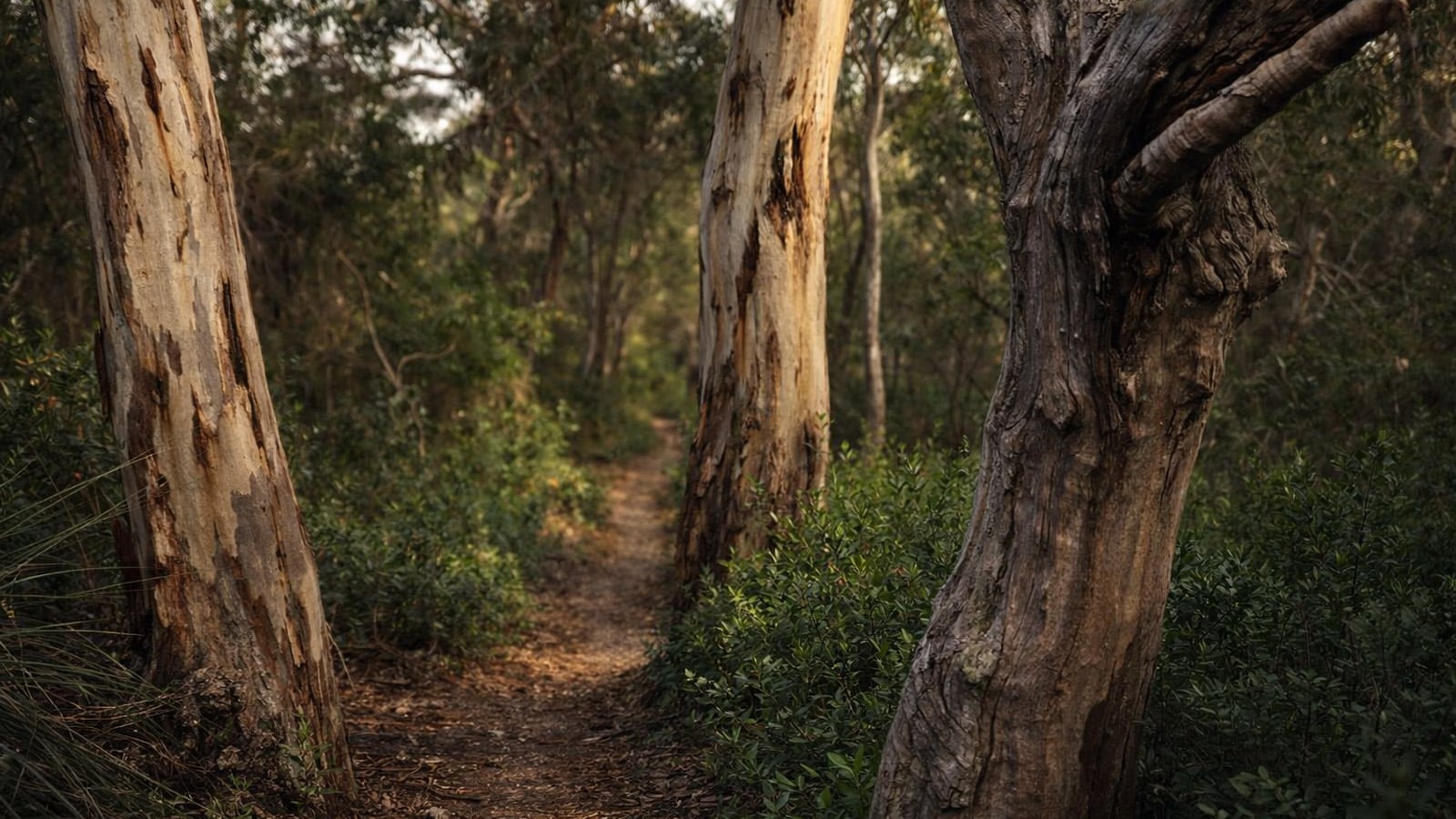
Walking in Deep Creek National Park
The trail network in Deep Creek is one of its greatest drawcards. Fifteen marked walking trails wind through the park, ranging from gentle circuits through regenerating forest to full-day challenges that descend into rugged coastal valleys. The network also incorporates sections of the famous Heysen Trail, giving walkers the option to venture far beyond the park boundaries if the spirit moves them.
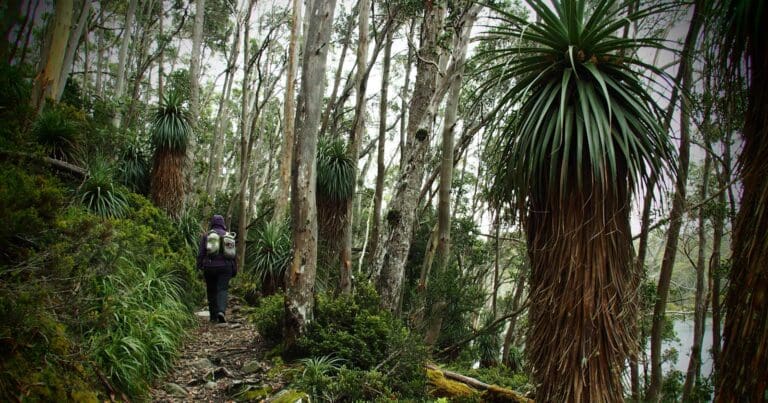
For families or those new to the park, the Stringybark and Deep Creek Circuit (2.5km, Grade 1) is the perfect introduction. Beginning near Stringybark Campground, this easy loop moves through some of the oldest stringybark eucalyptus trees in South Australia. The canopy is alive with birdsong, and in late winter and spring the understorey blooms with wildflowers. The terrain is mostly flat with only a gentle incline at the start, making it genuinely accessible for all ages. A slightly longer version, the Stringybark and Deep Creek Walk at 4.7 kilometres, follows the same spirit through the regenerating forest but adds a pleasant valley descent.
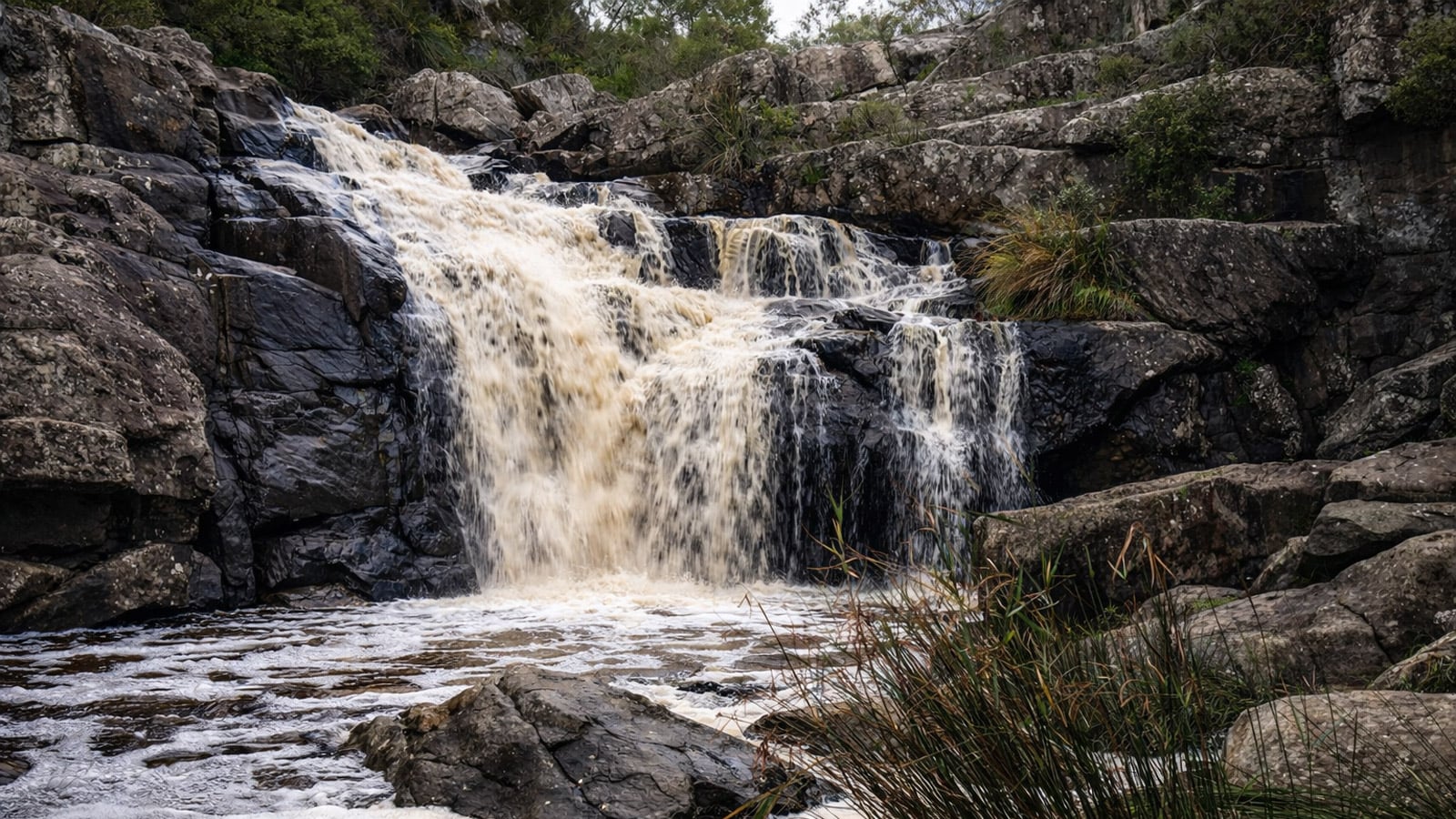
Walkers with moderate fitness who want a taste of the park’s scenery without committing to a full day will enjoy the Deep Creek Waterfall from Tent Rock Road (4km, Grade 3). Starting near Trig Campground, this return trail descends into a lush gully along a well-graded path. The waterfall itself flows most reliably in winter and after heavy rain, but a permanent waterhole sits at its base year-round, making for a satisfying destination in any season.
Those ready to turn up the difficulty will find no shortage of options. The Aaron Creek Circuit (6km, Grade 3) passes through open grasslands dotted with kangaroos before dropping into Aaron Creek, where winter runoff feeds a seasonal waterfall and the vegetation turns lush and green. The circuit uses a section of the Heysen Trail between Eagle Waterhole Campground and the creek and can be extended to the coast via the Aaron Creek Beach Hike (10km, Grade 4) for those wanting to push further and earn views of the Southern Ocean crashing into rocky coves below.
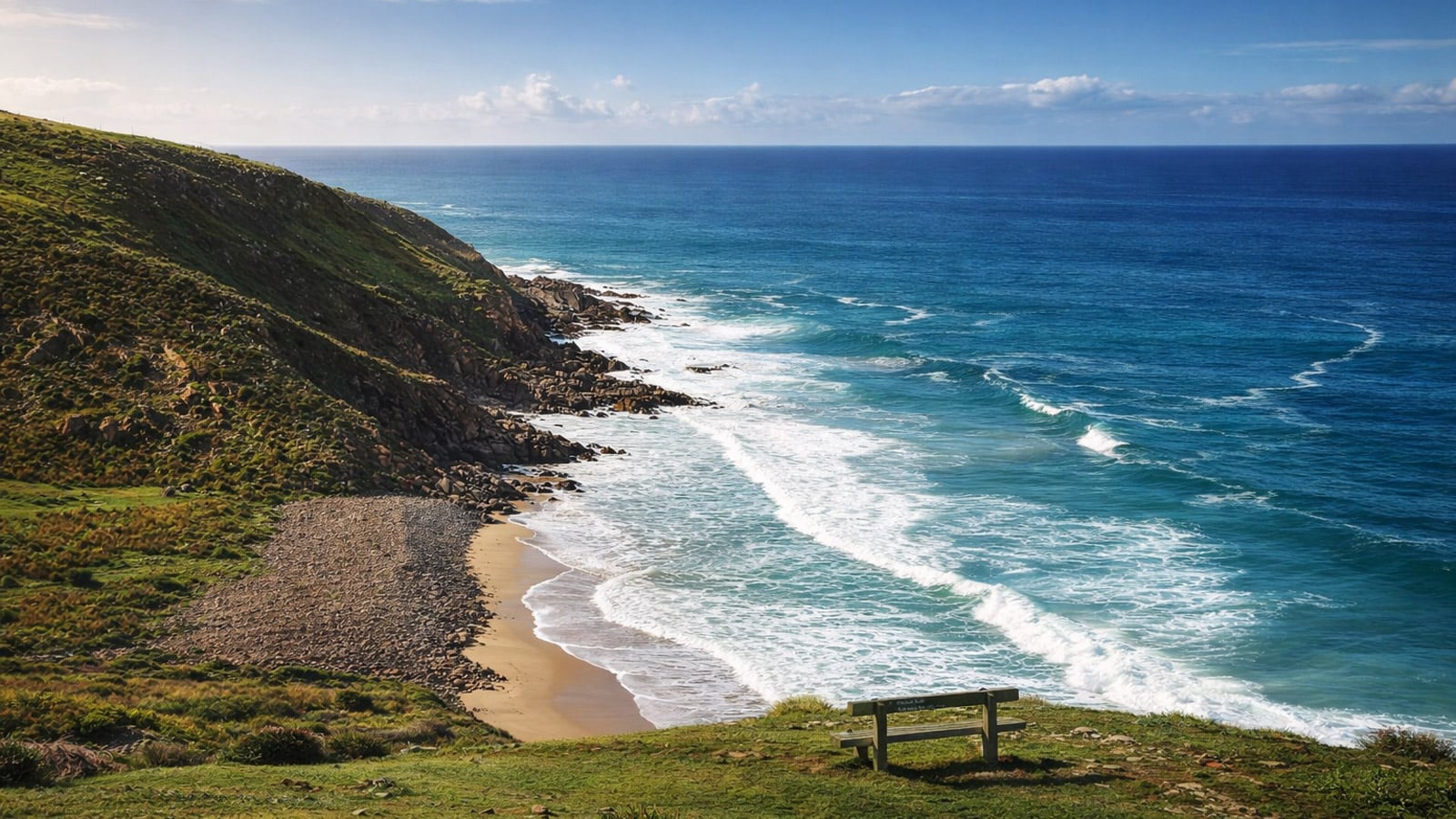
The Cobbler Hill to Blowhole Beach Circuit (6.7km, Grade 4) is another standout for those ready for harder work. The Heysen Trail guides walkers through coastal scrub before the descent of Cobbler Hill reveals sweeping views across to Kangaroo Island. Blowhole Beach unfolds below in a wide arc of sand, and dolphins are regularly spotted in the surf. The return climbs through grassy hillside country back to Cobbler Hill Campground.
For a true full-day adventure, the Deep Creek Circuit (12km, Grade 4) is widely regarded as the park’s signature walk. Departing from Trig Campground, it traverses rolling hills, descends into fern-filled gullies, passes the waterfall and continues to Deep Creek Cove before looping back. The route crosses through sun-drenched xanthorrhoea hillsides, towering eucalyptus stands and clearings where kangaroos, echidnas and blue-tongue lizards are regularly encountered. It is best attempted in a clockwise direction, and walkers should be aware that crossing Deep Creek can be challenging after heavy rainfall.
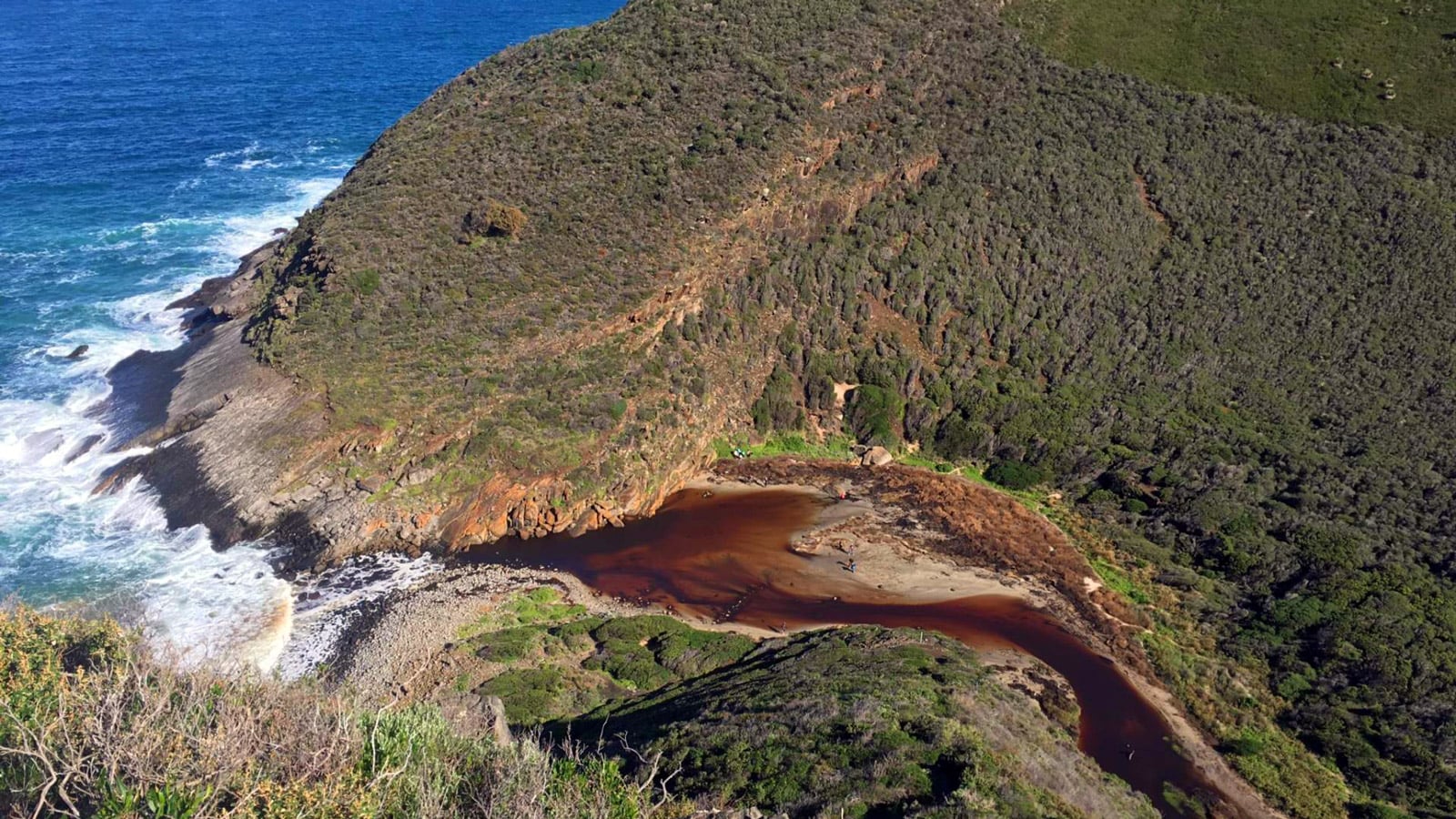
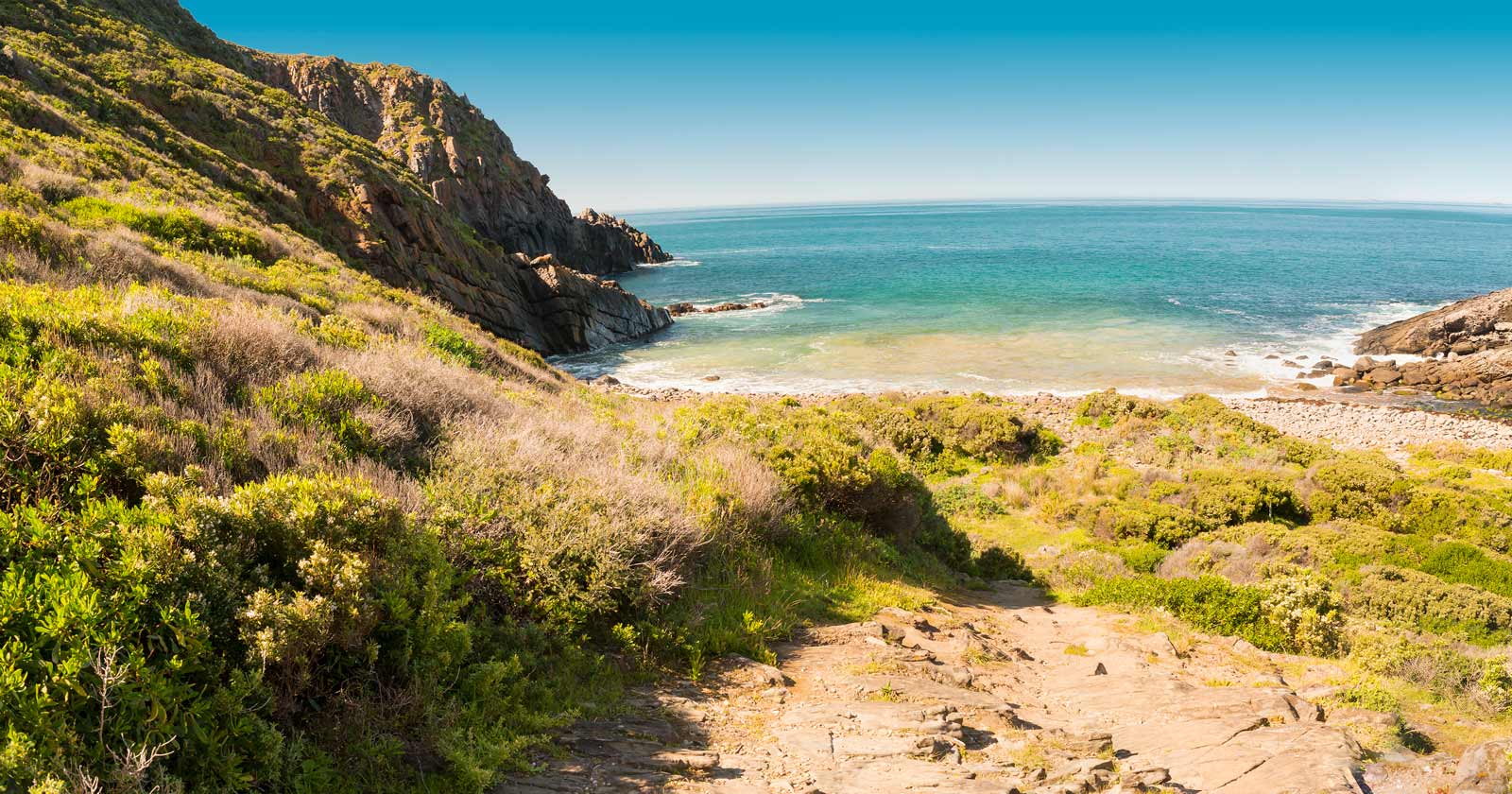
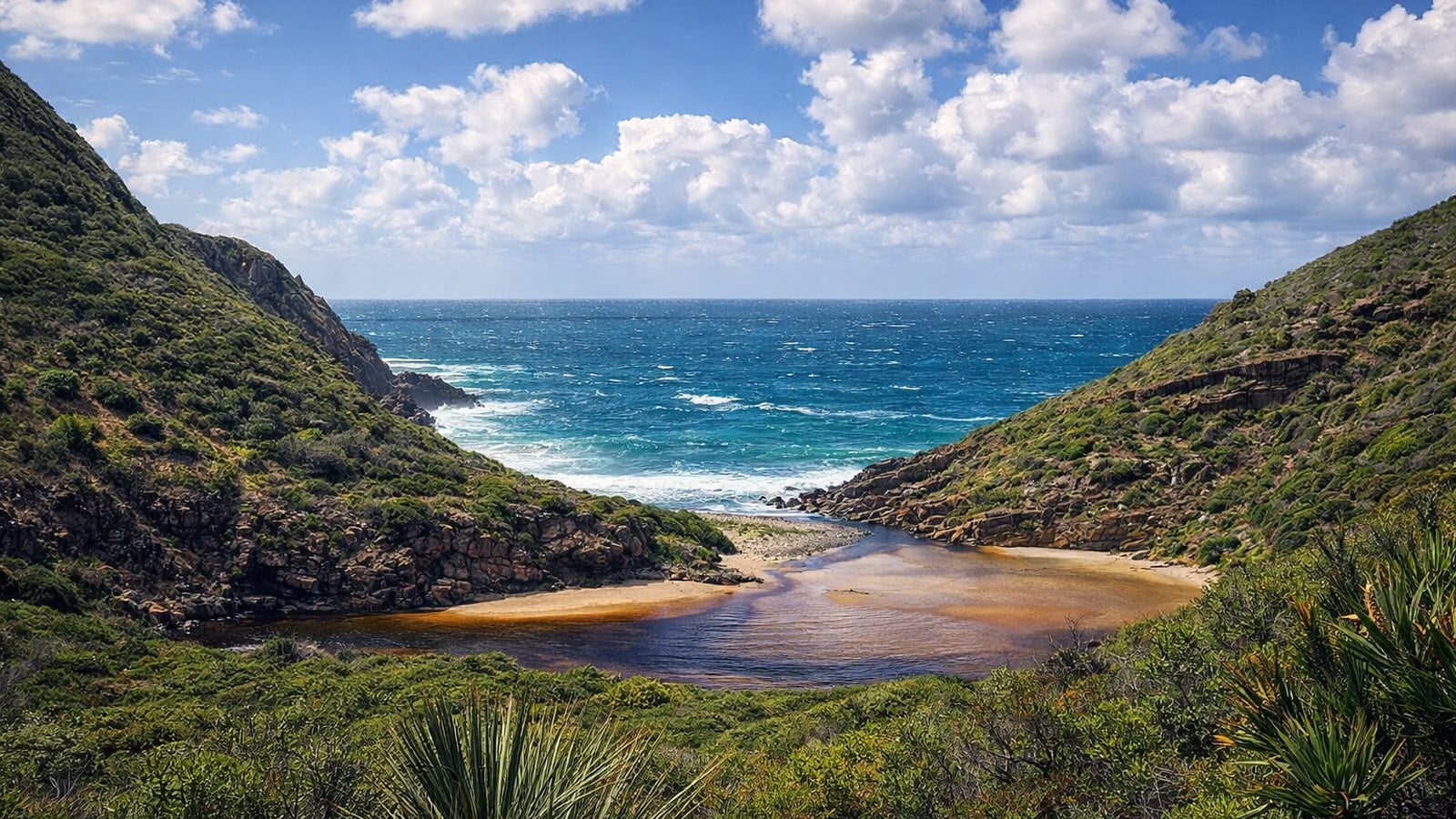
At the more adventurous end of the spectrum, the Deep Creek Cove from Tapanappa Lookout (3.2km return, Grade 4) is deceptively short but demanding. The trail descends from Tapanappa Ridge, offering views of the ocean and Tunk Head before a steep and rocky final approach requires some scrambling to reach the secluded cove where Deep Creek meets the sea. The reward is total isolation and a scene that feels genuinely earned.
For those who want to experience Deep Creek over several days, the Wild South Coast Way on the Heysen Trail is one of South Australia’s premier long-distance walks. This 74-kilometre route between Cape Jervis and Victor Harbor passes through the heart of the park and links to Ballaparudda Creek Recreation Park and Newland Head Conservation Park. The full experience takes five days and four nights, with four walk-in campgrounds along the route and drive-in campgrounds accessible nearby. Four of the five daily stages are rated Grade 4; the second day, which crosses the two major valleys of Deep Creek, carries a Grade 5 rating and is recommended for experienced, fit walkers only.
Browse the full range of walks at trailhiking.com.au
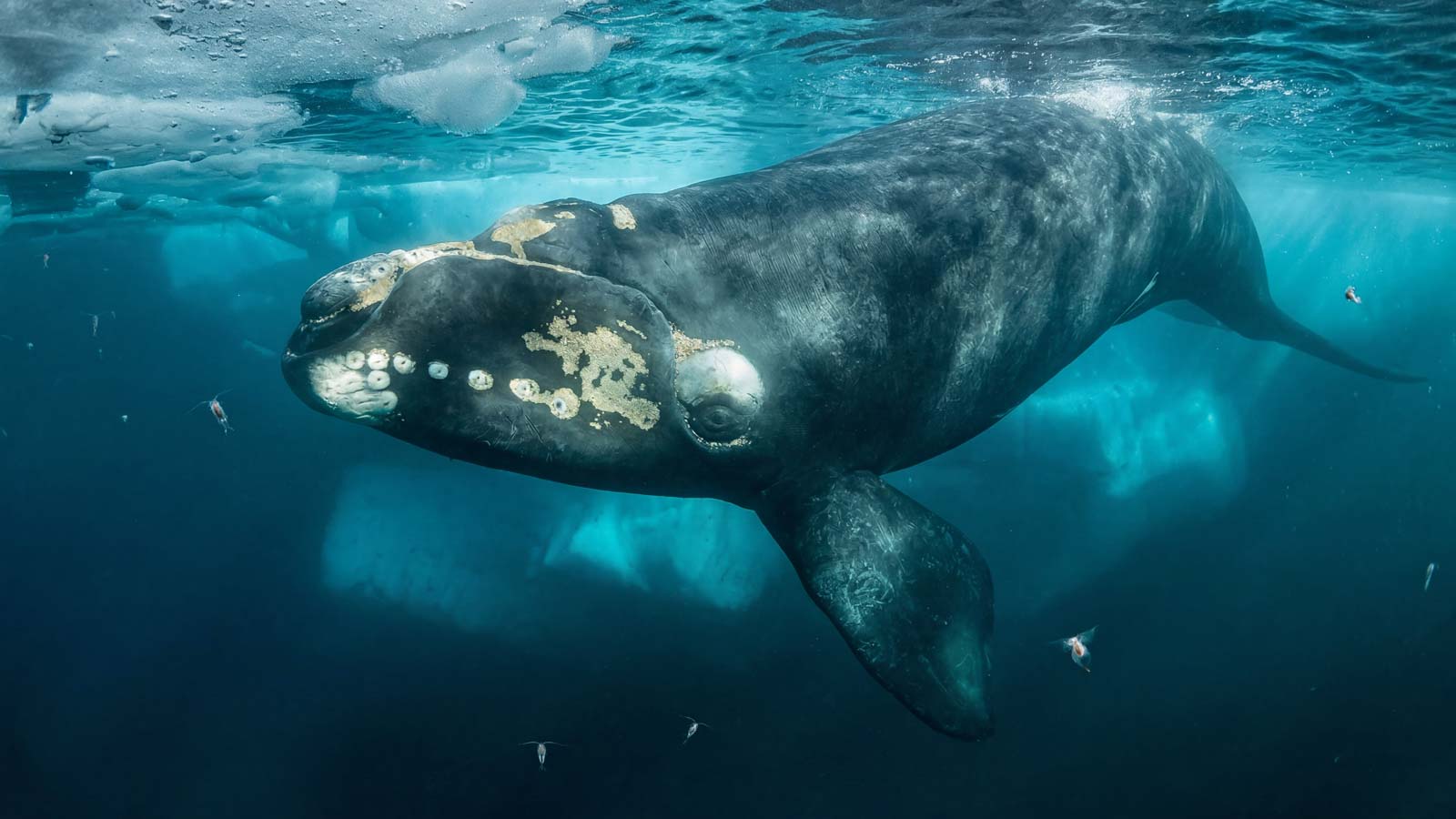
Whale Watching
Between mid-May and late October, Deep Creek National Park becomes one of South Australia’s finest whale-watching locations. Southern right whales are the most frequent visitors, travelling north from sub-Antarctic waters to mate and calve in the comparatively warmer coastal seas. Sperm whales, humpbacks, blue whales and the occasional orca have all been sighted from the park’s clifftop vantage points during the season.
The coastal lookouts above Blowhole Beach, Tapanappa Ridge and along the Wild South Coast Way all provide excellent elevated positions for scanning the ocean. On calm days the whales are visible close to shore, and the sight of a southern right surfacing or lifting its tail as it dives is genuinely unforgettable. If a whale watch is a priority, plan your visit for late autumn through to early spring, when the conditions are also ideal for walking.
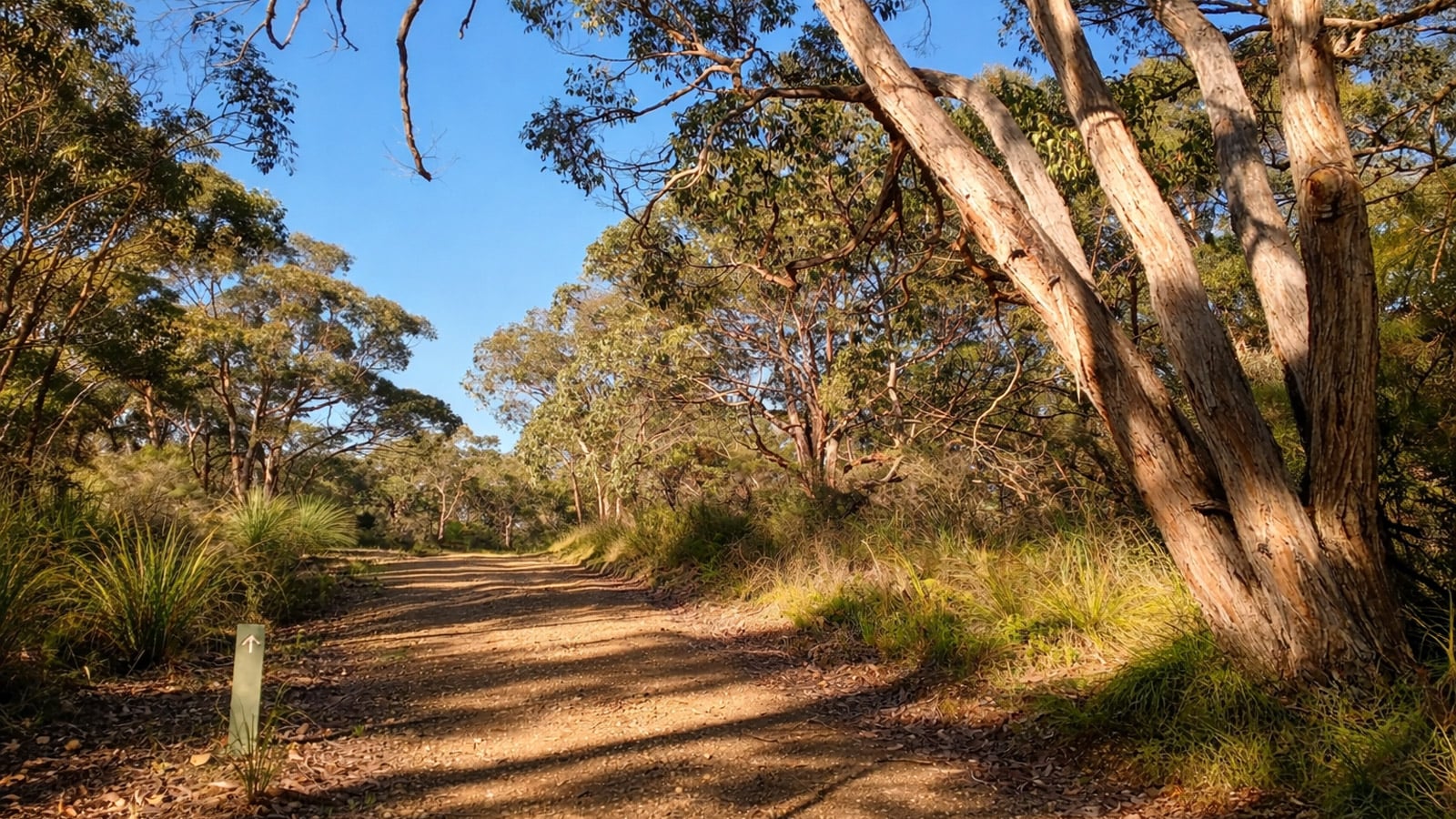
Camping at Deep Creek
Deep Creek is the only national park within 100 kilometres of Adelaide offering bush camping, and it is a significant part of what makes the park special. Five campgrounds are scattered across the park, four of them accessible by 2WD vehicle and one a dedicated hike-in site for those walking the Heysen Trail.
Stringybark Campground is the most well-appointed option, with 16 sites nestled among tall stringybark trees, hot showers, toilets and fire pits. It accommodates tents, caravans, camper vans and camper trailers, and the shade and wind protection offered by the trees make it a comfortable base in most seasons.
Trig Campground offers 25 large flat sites in an open setting, with toilets, a picnic shelter and fire pits. It is also suitable for caravans and camper trailers and sits conveniently near the trailhead for the Deep Creek Circuit and the Deep Creek Waterfall walks.
Tapanappa Campground has 17 tent-only sites a short walk from the coastline. Low coastal vegetation provides some wind protection, and several walking trails begin nearby.
Cobbler Hill Campground is a smaller, six-site option near Blowhole Beach, with some sites offering shade and wind shelter. It accepts caravans and camper trailers.
For those completing the Wild South Coast Way, the Wuldi Krikin Ngawanthi (Eagle Waterhole) hike-in campground is a memorable spot accessible only on foot. It offers ten timber platforms or compacted earth tent sites, a sheltered seating area, untreated rainwater and waterless toilets. Wood fires are prohibited here at all times.
Camping fees apply at all sites and must be paid before arrival. Bookings can be made online through the National Parks and Wildlife Service booking system.
When to Visit
Late autumn and early spring sit at the sweet spot for a Deep Creek visit. Temperatures are moderate, the wildflowers are either arriving or fading in a blaze of colour, wildlife is active, and the whale-watching season is either beginning or in full swing. These are also the most comfortable conditions for walking the longer and more demanding trails.
Winter is cooler and wetter, which is when the waterfalls run and the gullies take on a lush, verdant quality. Track conditions can be slippery after rain, so appropriate footwear and a sensible approach are important. Whale sightings peak through the cooler months.
Summer brings dry, hot conditions with temperatures regularly reaching 35 degrees. Walking in the middle of summer requires careful planning: start early, carry plenty of water and be aware of fire danger ratings. The park is beautiful in summer but demands more respect from visitors.
Facilities and Accessibility
Beyond the campgrounds, the park provides picnic tables at Goondooloo Picnic Area, Goondooloo Ridge Walk lookout, Cobbler Hill, Trig and Stringybark Campgrounds, and at the Tapanappa Lookout. Water is available at campgrounds but is non-potable unless otherwise indicated.
For visitors with limited mobility, the TrailRider all-terrain wheelchair can be used in Deep Creek National Park. This motorised one-wheeled chair, operated by two to four helpers, opens up access to trails that would otherwise be inaccessible. Enquire with National Parks and Wildlife Service for availability and booking information.
Mountain biking is permitted on public roads and the Spring Wildflower Walk. Two 4WD tracks offer another dimension to the park: the Boat Harbour Track winds through stringybark forest with steep descents to a small beach carpark, while the Blowhole Beach Track is a rocky, steep route leading to a sandy beach with distant views of Kangaroo Island.
Beyond the Park
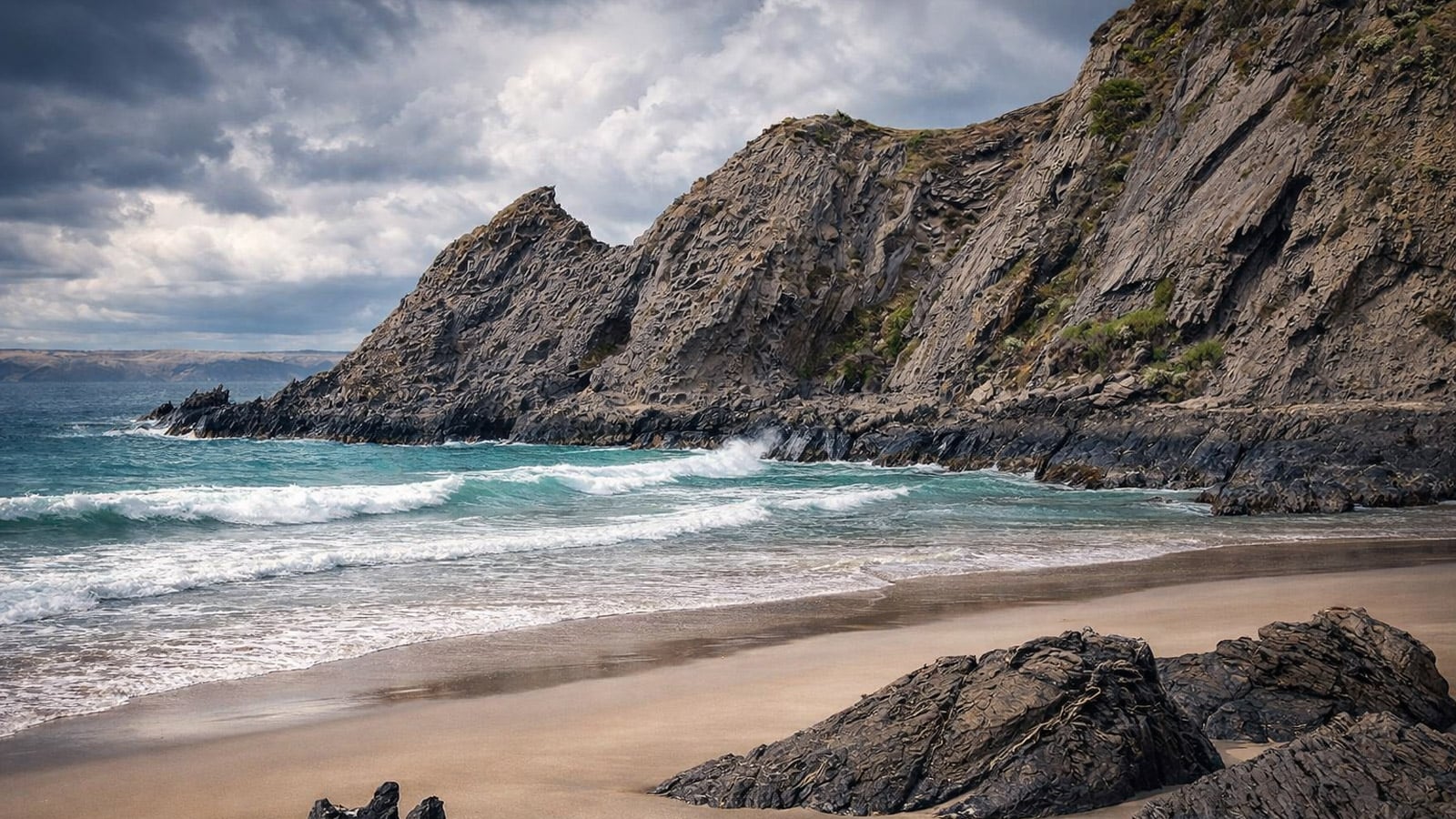
The surrounding region has more to offer for those wanting to extend their time on the Fleurieu Peninsula. The nearby Talisker Conservation Park contains heritage-listed ruins of a silver and lead mine from the 1860s, a fascinating remnant of South Australia’s colonial history. To the east, Encounter Marine Park protects some of Australia’s most pristine ocean wilderness, offering exceptional snorkelling and diving.
The ferry terminal at Cape Jervis connects to Kangaroo Island, visible from almost every elevated lookout in Deep Creek, and makes a natural companion destination for any trip to this part of the peninsula.
Plan Your Visit
Deep Creek National Park is managed by the South Australian National Parks and Wildlife Service. For current track conditions, camping bookings, fire restrictions and detailed visitor information, visit the official park page at parks.sa.gov.au
Deep Creek National Park delivers all of this within a couple of hours of Adelaide: pitching a tent under the stringybarks, watching a whale roll through Backstairs Passage in season, and pushing into a multi-day walk on the Wild South Coast Way. That combination of accessibility and genuine wildness so close to a capital city is what makes the drive south worth it.